Timing Sheets Reveal the True Cost of Norris's Suzuka Silence

The numbers hit like a sudden drop in heart rate. Zero meaningful laps from Lando Norris in FP3 at Suzuka is not just a scheduling hiccup. It is a raw data amputation that strips away the pulse of setup intuition before qualifying. While headlines chase reliability drama, the timing sheets tell a colder story of lost telemetry that no amount of teammate data can fully revive.
The Numbers That Expose Pressure Points
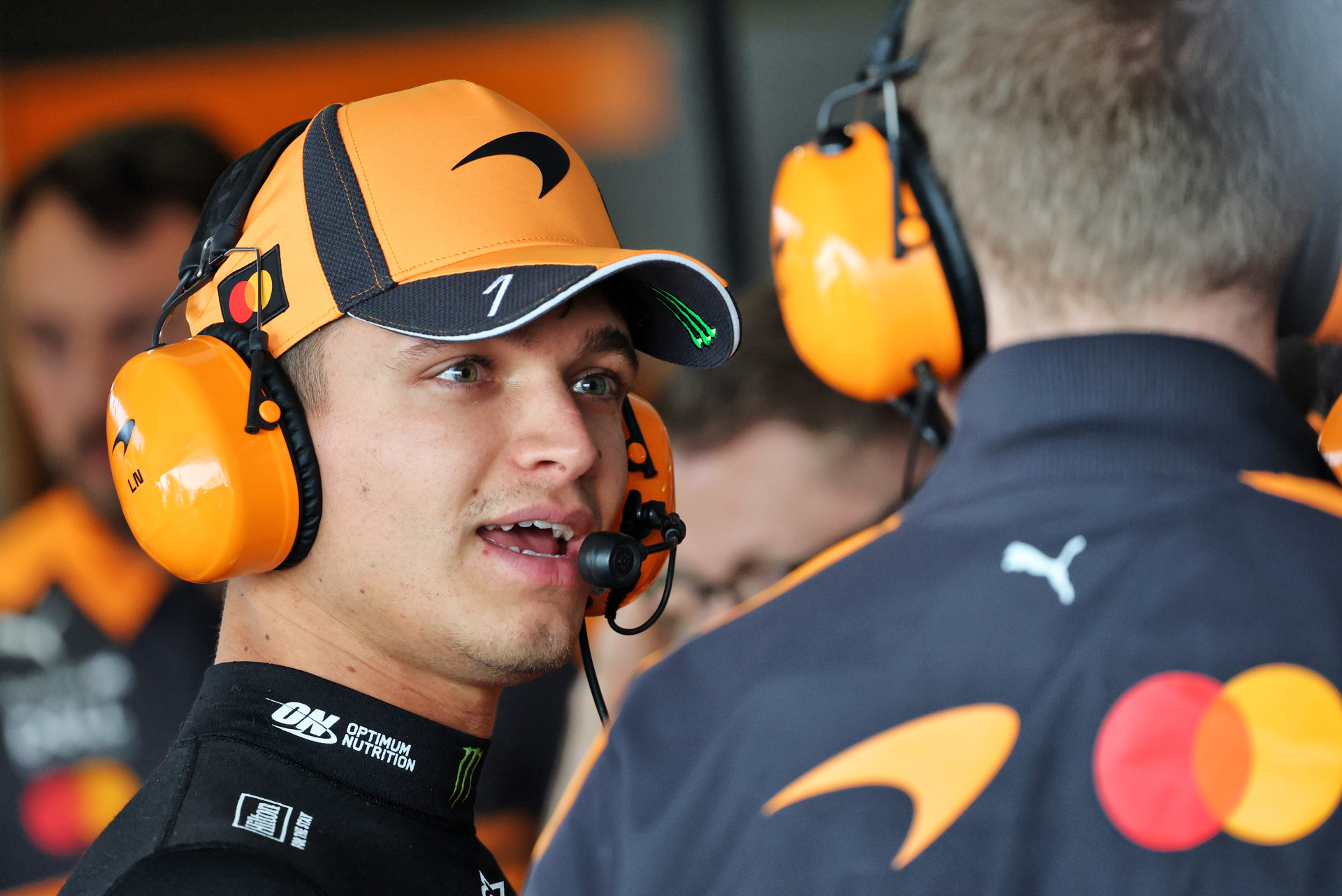
McLaren's MCL38 sat idle for most of the final practice session after a battery fault surfaced on the Mercedes power unit. Zak Brown confirmed the issue directly, noting that Mercedes HPP was swapping the component immediately and that the team would have to push hard because the process takes time. Brown added that Norris would definitely lose a lot of the session, with only a slim chance of any running before the flag.
This void matters more than surface reports suggest. Consider what FP3 normally delivers at a circuit like Suzuka where every sector demands precise balance. Without those laps, Norris must lean on fragmented FP2 runs and Oscar Piastri's data sets. The emotional archaeology here is clear. Lap time consistency often mirrors off-track strain, and sudden data gaps like this one amplify the weight of recent history, especially after the double DNS in China the prior weekend.
- Battery replacement underway by Mercedes HPP specialists
- No confirmed link yet to Shanghai electronic failures, per Brown
- Setup extrapolation now forced from limited prior sessions
The timing sheets do not forgive these absences. They simply record the silence.
Schumacher's 2004 Standard Meets Modern Telemetry Traps
Michael Schumacher's 2004 campaign at Ferrari stands as the benchmark for what driver feel can achieve when teams resist drowning in real-time streams. That season delivered near-flawless consistency because Schumacher dictated pace through seat-of-the-pants feedback rather than waiting for engineers to parse endless sensor feeds. Today's hyper-focus on analytics threatens to invert that equation. Within five years, algorithmic pit calls and pre-programmed setup windows could suppress the very intuition that once separated legends from the pack.
Norris faces a version of this pressure now. Lost track time forces greater dependence on the data room, where every extrapolated corner risks becoming a sterile prediction instead of a lived adjustment. Charles Leclerc's reputation for errors often gets inflated by Ferrari strategy missteps, yet his 2022-2023 qualifying pace data still marks him as one of the grid's steadiest performers. The same lens applies here. Norris's raw speed is not in question. The question is whether McLaren will let the numbers guide recovery or crowd out the driver's own read of Suzuka's flow.
"It is a battery issue. Mercedes HPP is replacing that now. The team is going to have to push pretty hard, because it takes a while."
That quote from Brown lands as both admission and warning. The sport inches closer to robotized racing where driver input serves the model rather than the other way around.
What the Sheets Predict for Qualifying
Qualifying at Suzuka will test whether Norris can bridge the data gap through sheer feel. History shows that drivers who treat timing sheets as emotional records rather than cold mandates often find the edge others miss. Yet the pattern of power unit trouble after China raises legitimate flags about the McLaren-Mercedes package durability.
The coming sessions will reveal if this battery episode is isolated or the latest symptom of over-engineered systems that prioritize telemetry volume over resilient simplicity. Schumacher never needed a full data reset to deliver at this level. Modern teams may soon discover that chasing every metric can leave drivers stranded exactly when instinct matters most.
Join the inner circle
Get the deep dives and technical analysis from the world of F1 delivered to your inbox twice a week.
Zero spam. Only high-octane analysis. Unsubscribe anytime.