Blue Flag Fiascos Reveal Aero Overload Stripping F1 of True Mechanical Connection
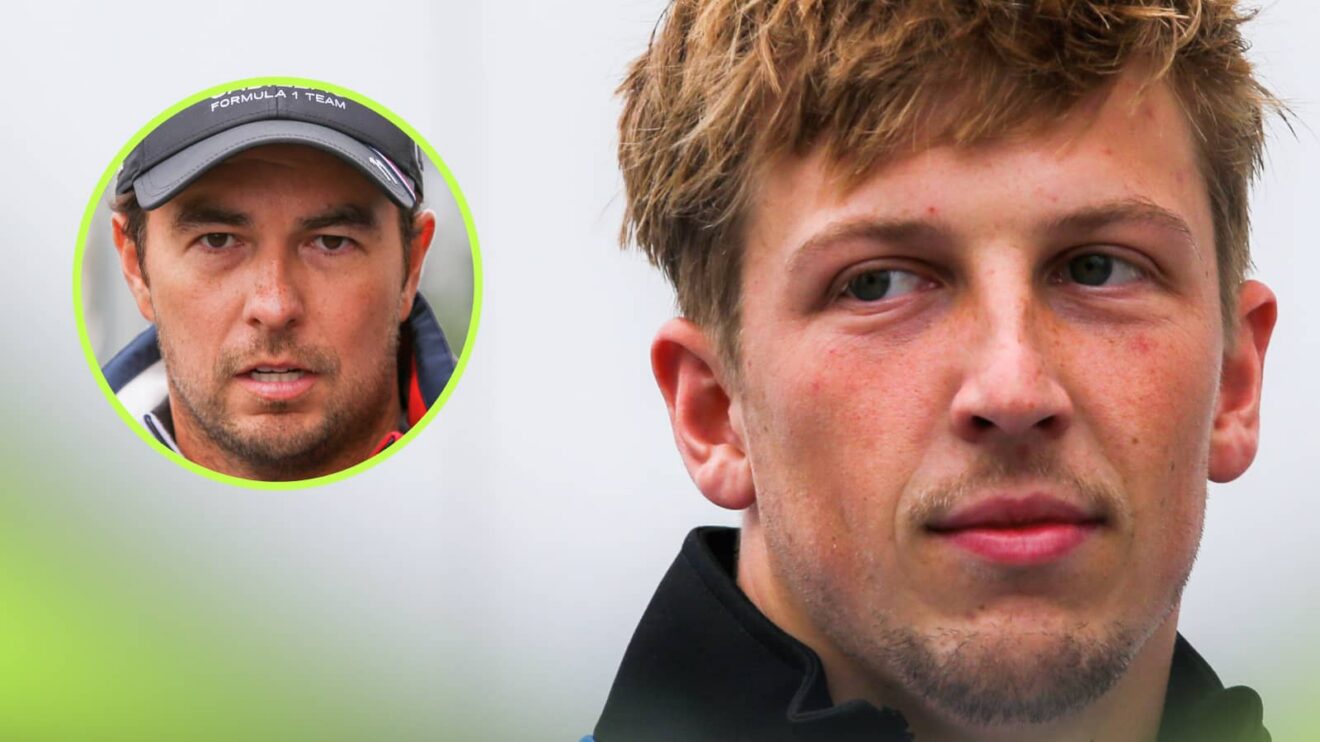
The 2026 Canadian Grand Prix exposed more than just a lapped driver's stubborn refusal to yield. It laid bare how today's overcomplicated aerodynamic packages turn simple trackcraft into a swirling storm of misjudgment, where downforce dominates and raw mechanical grip gets left in the dust. Liam Lawson's radio fury at Sergio Perez was not mere impatience. It was the sound of a driver wrestling a machine built for clean air heroics yet forced into the turbulent wake that modern designs create so effortlessly.
The Human Cost of Aero Dominance Over Mechanical Simplicity
Lawson's frustration on lap 32 cut through the usual team chatter with raw urgency. His Racing Bulls engineer Alexandre Iliopolous flagged the situation plainly. Perez is blue flag. Lawson shot back that Perez was just getting in the way. On the other side, Perez's engineer Carlo Pasetti urged compliance yet admitted the Cadillac driver might need another prompt. These exchanges reveal the core flaw in current cars. They generate massive downforce that behaves like an approaching thunderstorm, building pressure until the driver behind loses all predictability in dirty air.
Perez eventually yielded at the Turn 10 hairpin, but the delay cost time that pure mechanical grip could have avoided. Compare this to the 1990s Williams FW14B, where active suspension and simpler aero let drivers feel the tire contact patch directly. Today's obsession with aerodynamic complexity sacrifices that connection. Teams chase marginal downforce gains while tire management and chassis balance suffer, turning blue flag situations into high-stakes negotiations rather than instinctive passes.
- Lawson finished seventh, his best result of the year, by extracting what little mechanical feel remained in his car.
- Perez's race ended with a suspension failure, a reminder that these aero-heavy machines punish any compromise in setup.
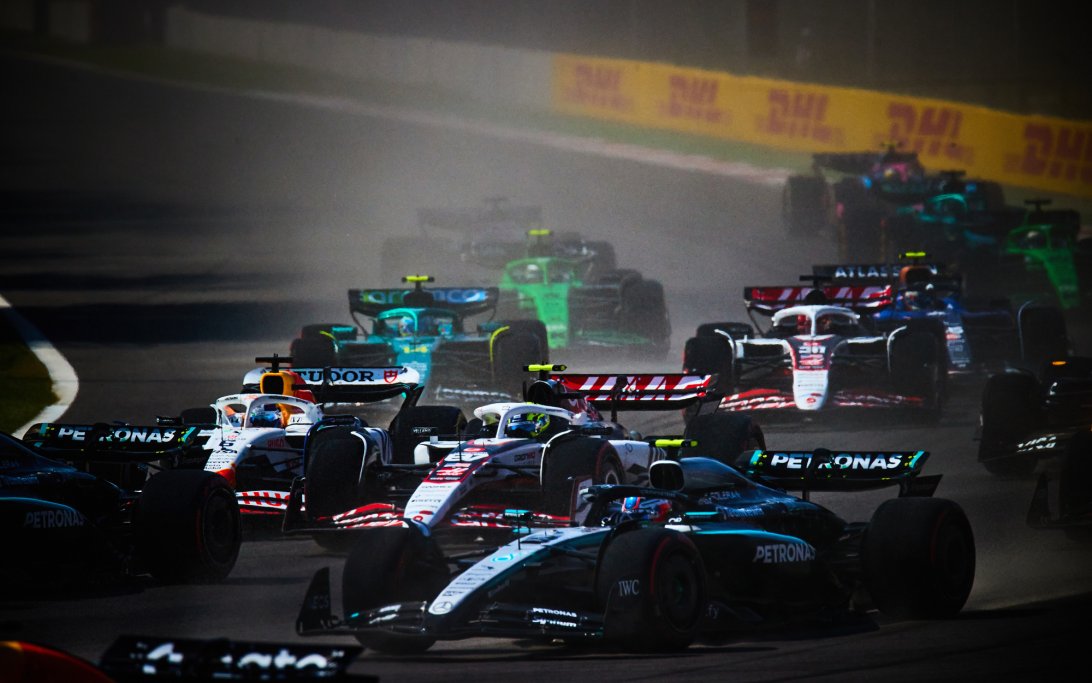
- A second clash with race winner Kimi Antonelli at the Turns 8/9 chicane showed the pattern repeating across the grid.
Race Control Struggles Mirror Broader Design Failures
The incident also highlights how race control fights a losing battle against cars engineered for isolation rather than interaction. Lawson questioned why green boards failed to enforce flags, noting the Cadillac received no visible signals from marshals. This is not a stewarding issue alone. It stems from vehicles whose aerodynamic storms intensify in traffic, making compliance physically and mentally taxing.
Perez is blue flag. He's just getting in the way.
That blunt exchange captures the human element lost when downforce rules everything. Mechanical grip and tire feel once allowed drivers to dance through slower traffic with precision. Now the focus on aero leaves less room for such intuition, reducing the driver to a passenger in turbulent conditions. Within five years the sport will likely shift to AI-controlled active aerodynamics by 2028, ditching DRS entirely. Races will grow more chaotic yet less dependent on individual skill, as algorithms manage the storm rather than humans fighting it.
The contrast with earlier eras remains stark. The FW14B rewarded driver input through elegant mechanical solutions. Modern packages bury that input beneath layers of vortex management and bargeboard tweaks. Perez's non-compliance, whether deliberate or not, underscores how these designs erode the fundamental connection that once defined great racing.
The Path Forward Demands Less Aero, More Feel
This Canadian clash signals a deeper reckoning. As the season intensifies, teams must confront how their aerodynamic arms race diminishes the very skills that separate elite drivers. Lawson secured points by battling through the chaos. Perez paid the price with mechanical failure. Both outcomes trace back to cars that prioritize downforce storms over balanced grip.
The solution lies not in stricter marshals but in redesigning for mechanical honesty. Only then will blue flags become rare footnotes instead of flashpoints that expose how far F1 has drifted from its roots.
Join the inner circle
Get the deep dives and technical analysis from the world of F1 delivered to your inbox twice a week.
Zero spam. Only high-octane analysis. Unsubscribe anytime.