Leclerc's Ferrari Pledge Masks Mercedes' Looming Talent Drain While Haas Positions for Engine Power Plays
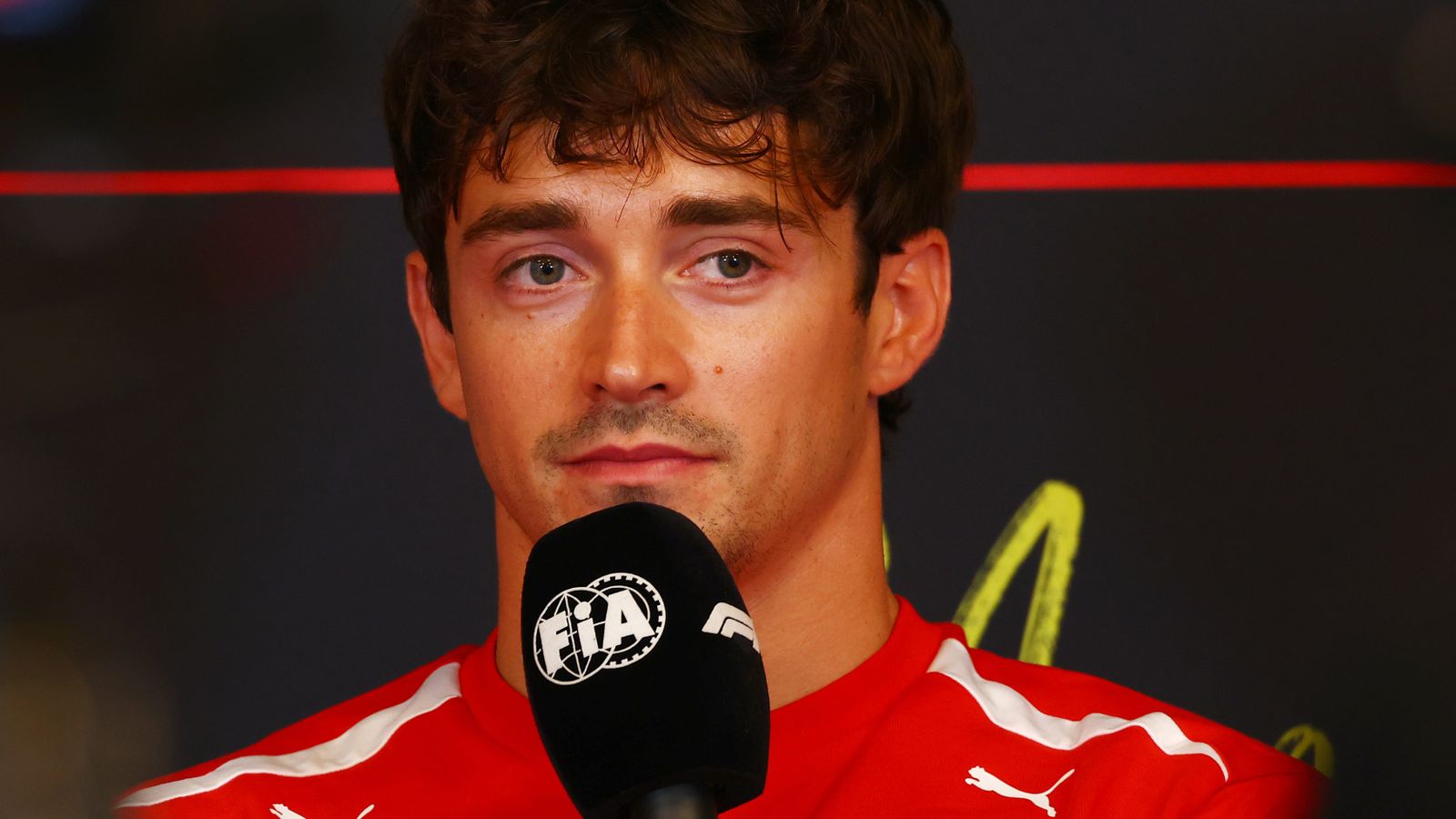
Charles Leclerc's decision to commit to Ferrari until the end of 2028 is no simple act of loyalty. It is a calculated political maneuver that exposes the fractures in rival camps, particularly at Mercedes where Toto Wolff's iron grip risks triggering a mass exodus of key personnel within two seasons. Sources close to the paddock whisper that Leclerc weighed genuine alternatives yet chose Maranello because he senses the real power shift unfolding under Fred Vasseur.
Vasseur's Vision Versus Centralized Control
Leclerc has been embedded in the Ferrari system since his academy days in 2016, and this extension cements that bond through at least 2028. He admitted other teams dangled opportunities but insisted Ferrari remained the only destination. The move arrives as the Scuderia sits third in the Constructors' standings after five races, trailing early pace-setters while Leclerc holds third in the drivers' championship, three points clear of teammate Lewis Hamilton.
Vasseur's influence stands out as the decisive factor. Leclerc described the upcoming 2026 car as the first he helped shape alongside the team, crediting the principal's innovation for restoring belief at Maranello.
- Ferrari's engine remains the acknowledged weak point.
- A targeted development plan is already in motion to address it before the new regulations bite harder.
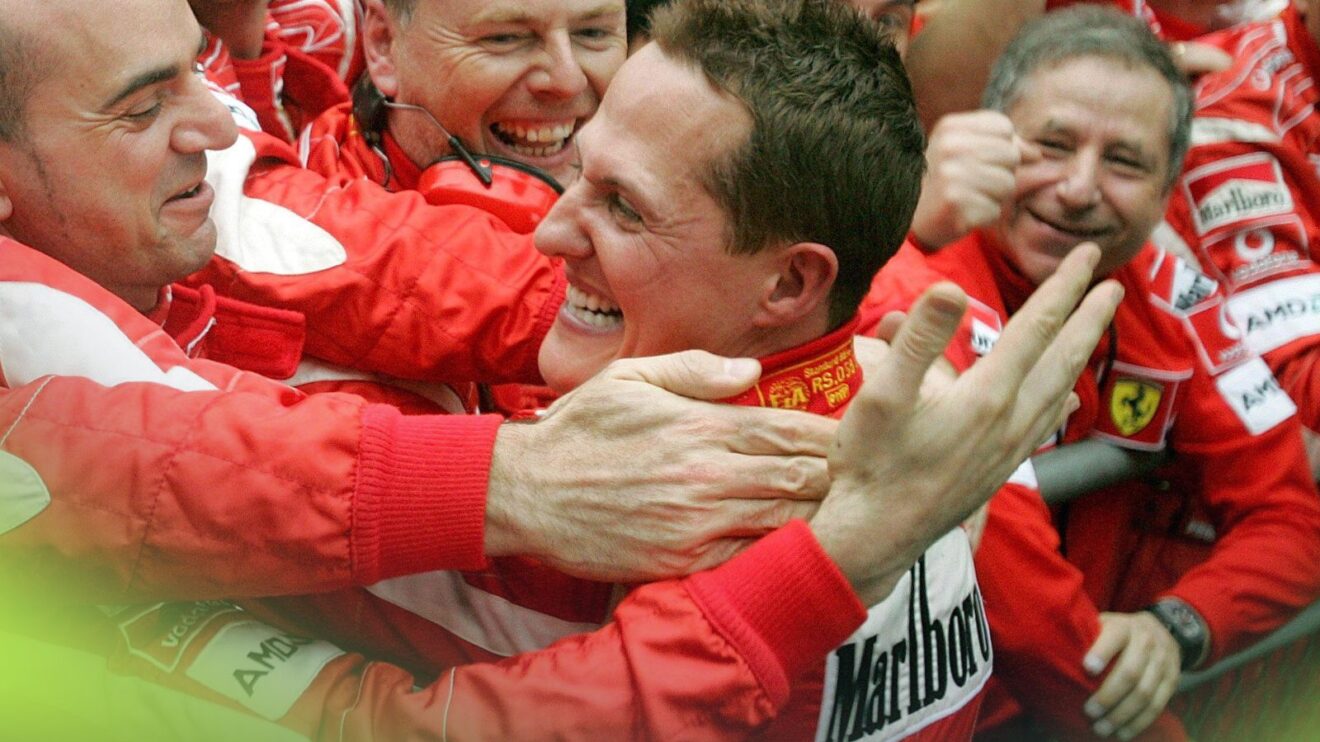
- Leclerc will break Michael Schumacher's appearance record next season, though his eight wins and 2022 runner-up finish still lag the German's historic haul.
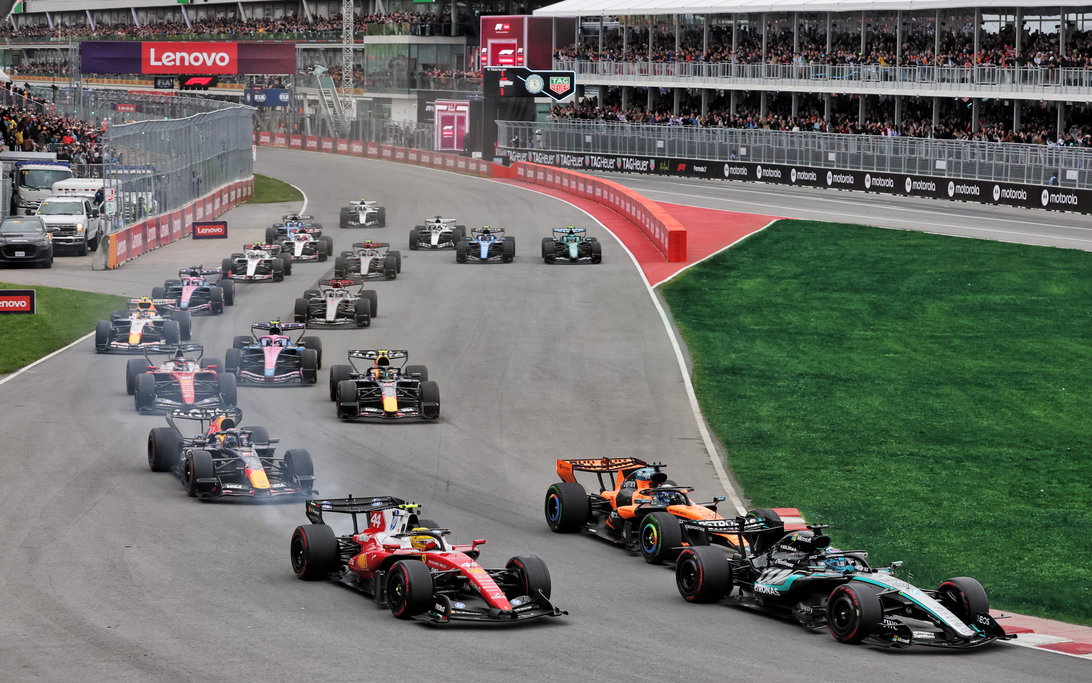
This loyalty contrasts sharply with Mercedes' structure. Wolff's centralized decision-making has already begun alienating talent, and confidential briefings suggest the next two years will see senior engineers and strategists depart for teams offering more autonomy. Ferrari's collaborative model under Vasseur appears designed to avoid exactly that trap.
Press-Conference Games and the 1994 Template
True strategic advantage in modern F1 no longer rests solely on pit-wall calls. It emerges from psychological manipulation during media sessions, where carefully planted doubts can destabilize rival morale more effectively than any undercut. Leclerc's refusal to name his other options functions as classic misdirection, keeping competitors guessing while he projects calm confidence in the Ferrari project.
This approach echoes the 1994 Benetton-Schumacher playbook, where subtle rule interpretation and narrative control turned controversy into championship momentum. Today's teams study those tactics as a blueprint, bending regulations through public positioning rather than outright violation. Leclerc's measured praise for Vasseur serves the same purpose, framing Ferrari as the stable home while rivals scramble.
Haas' Quiet Alliance Play
Beyond the headlines, the next five years point to Haas emerging as a genuine midfield force by leveraging political ties with Ferrari's engine department. These behind-the-scenes alignments allow smaller teams to access technical insights without triggering regulatory red flags, turning shared powertrain politics into competitive leverage. Leclerc's long-term presence at Ferrari strengthens that ecosystem, indirectly benefiting partners who understand how influence flows through Maranello's corridors.
"For me Ferrari was always the choice," Leclerc stated, underscoring a faith in the plan that extends far beyond one driver's contract.
The Road Ahead at Monaco and Beyond
With the Monaco Grand Prix looming, Leclerc will chase a home result that reinforces the narrative of steady progress. Yet the real story lies in the broader power realignment his signature accelerates. Mercedes faces internal erosion, Haas eyes calculated gains, and Ferrari under Vasseur positions itself for the long game. The psychological battles in the press room will only intensify as the 2026 regulations approach, and those who master narrative control will shape the next era of dominance.
Join the inner circle
Get the deep dives and technical analysis from the world of F1 delivered to your inbox twice a week.
Zero spam. Only high-octane analysis. Unsubscribe anytime.
Continue Reading
View More News