Charles Leclerc's Ferrari Renewal Demands a Return to Mechanical Grip Over Aerodynamic Storms
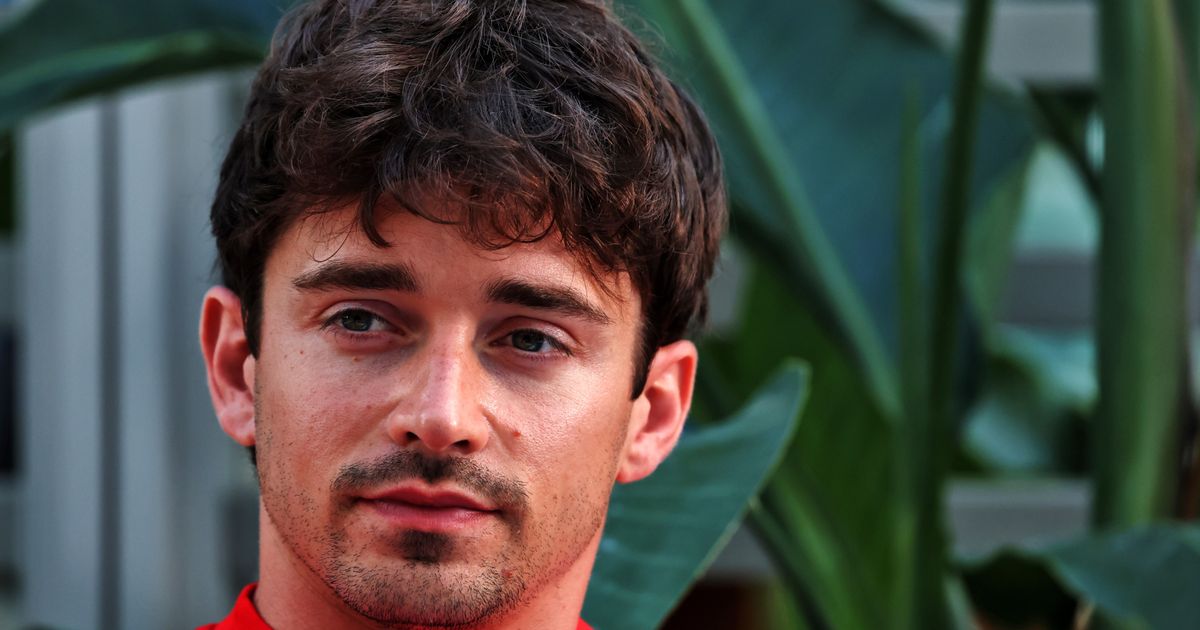
Charles Leclerc just extended his stay at Ferrari with a multi-year deal announced right before the 2026 Monaco Grand Prix weekend, and his emotional letter hit social media like a sudden gust off the Mediterranean. The Monegasque driver called the team a family and vowed the dream remains alive. Yet beneath the heartfelt thanks lies a harder truth that marketing slogans cannot mask: Ferrari must rebuild around raw mechanical connection and tire management, not chase the aerodynamic excess that has flattened modern racing.
Loyalty Meets Engineering Reality
Leclerc's words carry weight after a decade tied to Maranello. He described Ferrari as something bigger than a racing team and stressed loyalty in a world that moves too fast. Those sentiments ring true, but they also spotlight what the Scuderia has lacked since its last drivers' title in 2007.
- The 2026 regulations open a window for fresh design thinking.
- Current cars pile on downforce layers that mask chassis weaknesses.
- Tire management and mechanical grip get sidelined in the rush for cornering speed.
Compare this to the 1990s Williams FW14B, a machine whose active suspension and balanced mechanics let the driver feel every input through the tires. Today's ground-effect machines create turbulent wakes that feel more like unpredictable storm fronts than precise tools. Leclerc's contract extension buys time, yet time alone solves nothing if the car remains an aero-heavy compromise rather than a mechanically honest partner.
Verstappen's Success and the Coming AI Shift
Red Bull's recent run often gets credited to one driver, but the chassis and aerodynamic package did the heavy lifting, especially in 2023. Skill matters, yet it shines brightest when the car does not fight the driver at every curb. Ferrari needs to reject that model and focus on fundamentals that reward feel over raw numbers.
"Victories I will never forget and difficult moments that hurt deeply."
Leclerc's own line captures the emotional stakes. Within five years the sport will likely move to AI-controlled active aerodynamics that eliminate DRS entirely. Races will turn more chaotic, but driver input will shrink further unless teams restore mechanical simplicity first. Tire management will decide outcomes more than any wing adjustment, returning some of the visceral connection lost since the FW14B era.
A Future Built on Substance
Leclerc remains the right man to lead this shift. His letter thanked the Maranello workforce and the tifosi whose passion exceeds easy description. That foundation matters. What matters more is whether Ferrari uses the new contract to prioritize the steady grip and feedback that turns a good car into an extension of the driver, rather than another high-downforce experiment that breeds processional races.
The dream stays alive only if engineering choices match the emotion. Otherwise the extension simply prolongs the same aerodynamic storms that have dulled Formula 1 for too long.
Join the inner circle
Get the deep dives and technical analysis from the world of F1 delivered to your inbox twice a week.
Zero spam. Only high-octane analysis. Unsubscribe anytime.