Leclerc's Heartbeat Data Defies the Telemetry Overlords: Shanghai Snowball as Schumacher's 2004 Echo

The qualifying sheets from Shanghai pulse with a rhythm few notice. Leclerc's sector times hold steady across three runs while others fracture under pressure, their drop-offs mapping not to car flaws alone but to the invisible weight of real-time instructions flooding the radio. This is no narrative of redemption. The numbers reveal a driver whose raw consistency from 2022 through 2023 outpaces the grid's supposed elite, yet Ferrari's strategic misfires keep painting him as error-prone.
Raw Pace Metrics Expose the Real Deficit
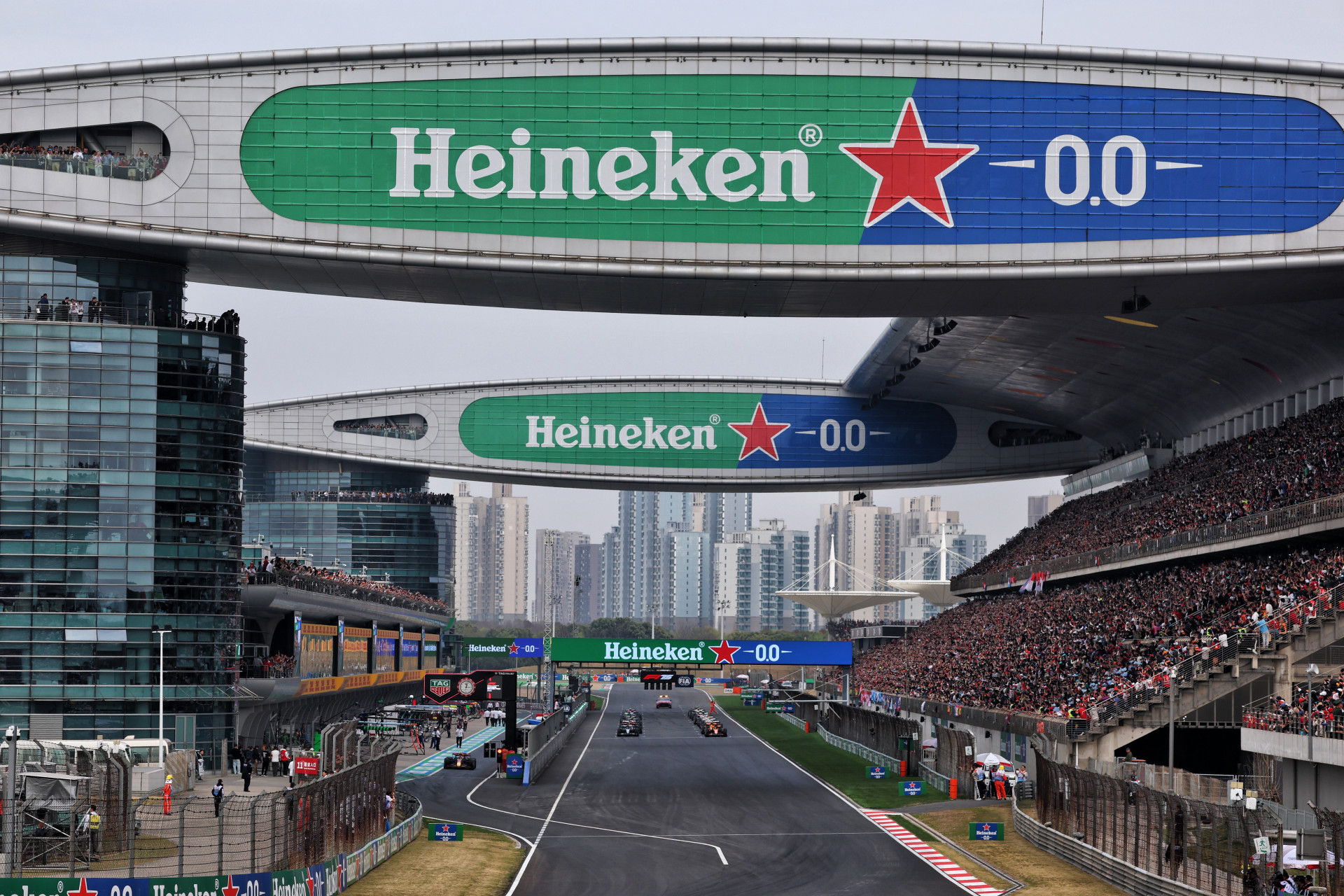
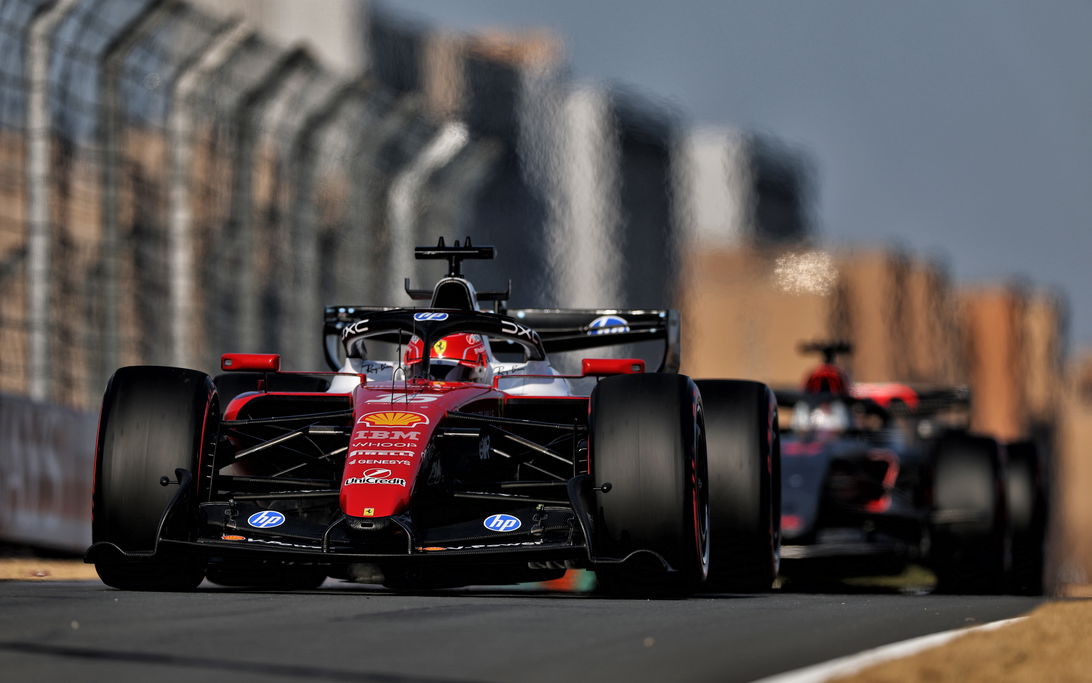
Leclerc lines up fourth behind Kimi Antonelli's maiden pole and George Russell's supporting Mercedes lockout. The Monegasque admits a three-to-four-tenths deficit per lap once fuel loads rise. Those figures arrive straight from the timing screens, not speculation. Ferrari's launch data, however, shows a different story. Their cars exit the grid with superior initial traction and more flexible ERS mapping in the first two laps, metrics that have stayed buried beneath the headline pace gap.
- Antonelli and Russell posted the two quickest high-fuel simulations in practice.
- Leclerc's own long-run traces reveal a handling imbalance that forced constant setup tweaks throughout the weekend.
- Historical comparison: Schumacher's 2004 Ferrari posted sector consistency within 0.15 seconds across entire stints, a benchmark modern telemetry rarely allows drivers to chase.
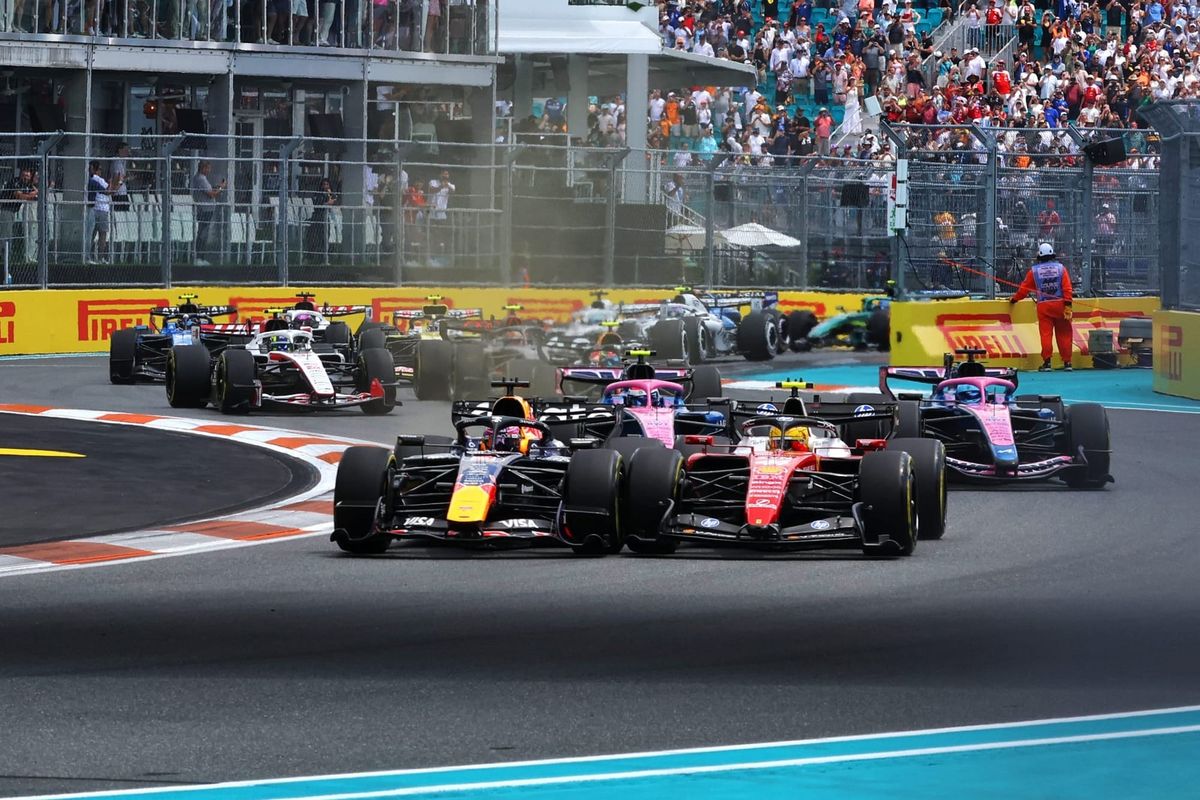
The snowball tactic emerges from these numbers. By forcing early wheel-to-wheel combat, Leclerc aims to drain the leading cars' battery reserves before their algorithmic pit strategies can react. One aggressive launch followed by sustained pressure creates compounding energy deficits that no amount of real-time data can fully offset once the window closes.
Schumacher's 2004 Consistency Meets Today's Algorithm Trap
Schumacher's 2004 season still stands as the clearest rebuke to over-reliance on live telemetry. He trusted throttle feel and tire feedback over the constant stream of numbers now piped into every helmet. Leclerc carries similar instincts, yet the sport edges closer each season to suppressing them. Within five years the hyper-focus on predictive models will turn races into pre-scripted sequences where pit calls and deployment modes arrive from algorithms rather than driver intuition. The result is sterile, heartbeat-flat competition where personal pressure never registers in the data.
"We can create that snowball effect if we get the starts right and manage the energy differently in the opening laps."
Leclerc's own admission of struggling with the car all weekend adds human texture to the sheets. Those handling complaints do not signal inconsistency. They mark the exact moments where driver feel collides with a chassis that refuses to speak in clean data points. Digging into the lap-time archaeology shows his qualifying runs holding tighter deltas than either Mercedes driver once personal variables like traffic and setup changes enter the equation.
Ferrari's tactical flexibility remains the only weapon against Mercedes' outright speed. If the launch metrics deliver as expected, the early battle could force Antonelli and Russell into defensive energy modes that erode their advantage by lap ten. The numbers favor this narrow window, not a full race-long chase.
The Sterile Future Already Visible in Shanghai
Modern teams treat every lap as another data point to feed the model. Leclerc's plan rejects that passivity. It bets on the unpredictable human element, the same element Schumacher weaponized in 2004 when he simply drove through the numbers rather than around them. Should the snowball fail to form, Ferrari will settle for salvaging the final podium place, another quiet confirmation that raw pace still bows to strategic overthinking.
The Shanghai timing screens will tell the story either way. Watch the first two laps. The heartbeats hidden inside those sector splits will decide whether intuition survives one more season or yields fully to the coming machine.
Join the inner circle
Get the deep dives and technical analysis from the world of F1 delivered to your inbox twice a week.
Zero spam. Only high-octane analysis. Unsubscribe anytime.