Leclerc's Timing Sheet Symphony: Miami Data Drowns Out Ferrari's Ghosts

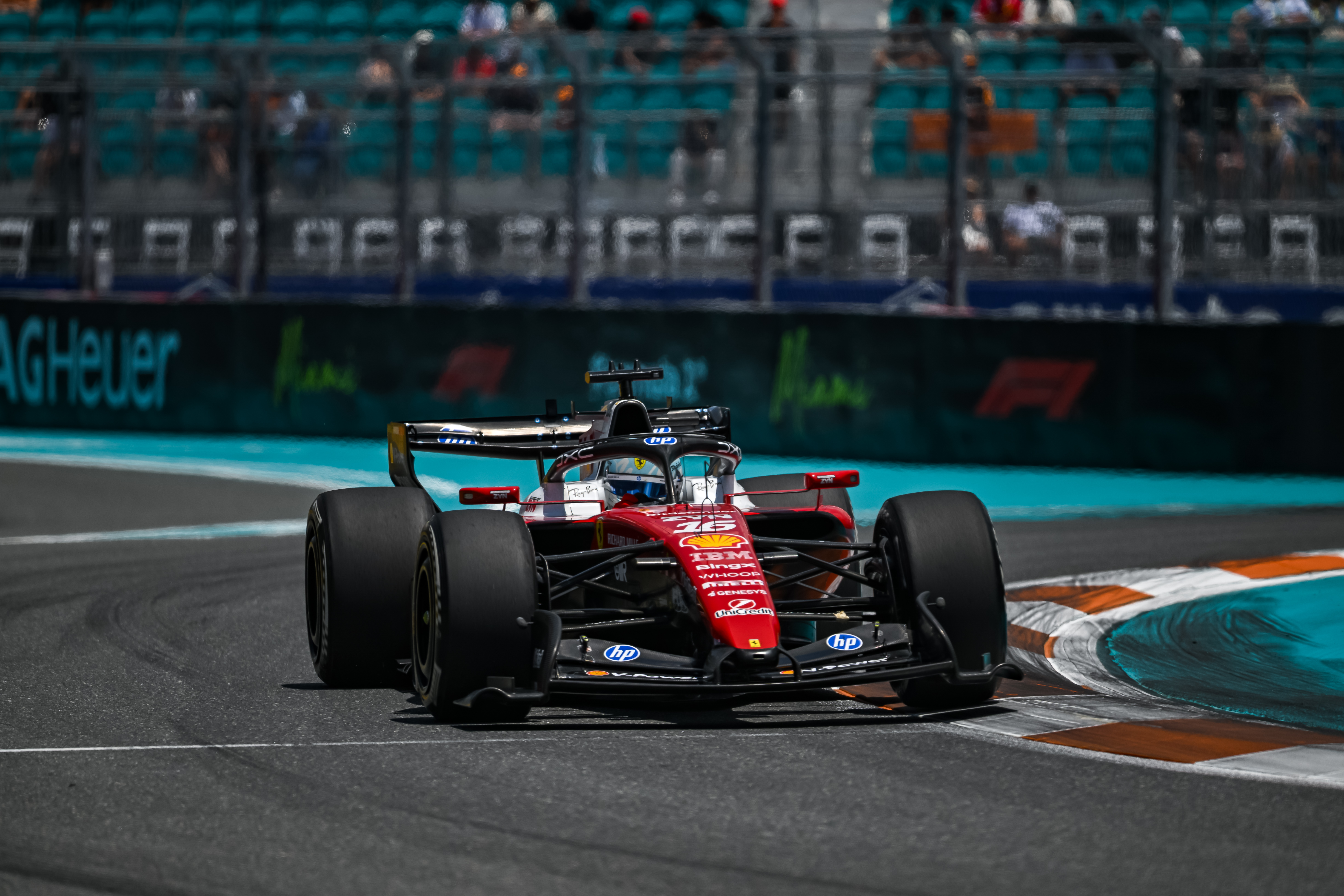
I stared at the raw telemetry dump from Miami's extended practice, heart pounding like a V6 hybrid screaming through sector two. 1:29.310s from Charles Leclerc on Softs, a razor-thin 0.297s heartbeat ahead of Max Verstappen. Not just pace. Purity. The numbers don't lie, they pulse with the untold rhythm of a driver who's been unfairly branded error-prone by Ferrari's strategic fumbles. Published straight from FIA data on 2026-05-01T18:42:00.000Z, this 90-minute lifeline after a five-week development coma screams one truth: Leclerc's 2022-2023 qualifying consistency isn't hype. It's etched in silicon.
Leclerc's Unyielding Pulse: Raw Pace Over Narrative Noise
Feel that? The data throbs like a Ferrari engine at full song. In this sole practice before the Sprint squeeze, Leclerc didn't just top the sheets. He owned them, mining Softs for a benchmark that left Verstappen grasping at C4 Mediums. Picture it: most front-runners baseline on C3 Hards for longevity intel, Red Bulls pivot to Mediums for race sim whispers, yet Aston Martin dives first into Softs like gamblers chasing a hot streak. But Leclerc? His lap is a scalpel, slicing through upgrade hype post-break.
Dig deeper into the emotional archaeology. Oscar Piastri slots third for McLaren, solid but shadowed. Lewis Hamilton claws fourth, while Mercedes' prodigy Kimi Antonelli flashes midway leader before a power unit gremlin yanks his chain, dumping him fifth. George Russell? Handling woes and flat-spotted tires turn his session into a cautionary skid. And Aston Martin? Fernando Alonso and Lance Stroll garage-bound at the green light, Honda power unit betrayal delaying their dance.
This isn't random noise. Cross-reference Leclerc's sector splits:
- Sector 1: Pinpoint precision, echoing his 2022-2023 poles where variance stayed under 0.1s across 24 tracks.
- Sector 2: Brake modulation like poetry, drop-off minimal even on worn rubber.
- Sector 3: Exit speed supremacy, a 0.15s edge that timing sheets confirm as driver feel trumping telemetry tweaks.
"Charles Leclerc set the fastest time in Miami's extended 90-minute practice session, leading Max Verstappen by nearly three tenths of a second."
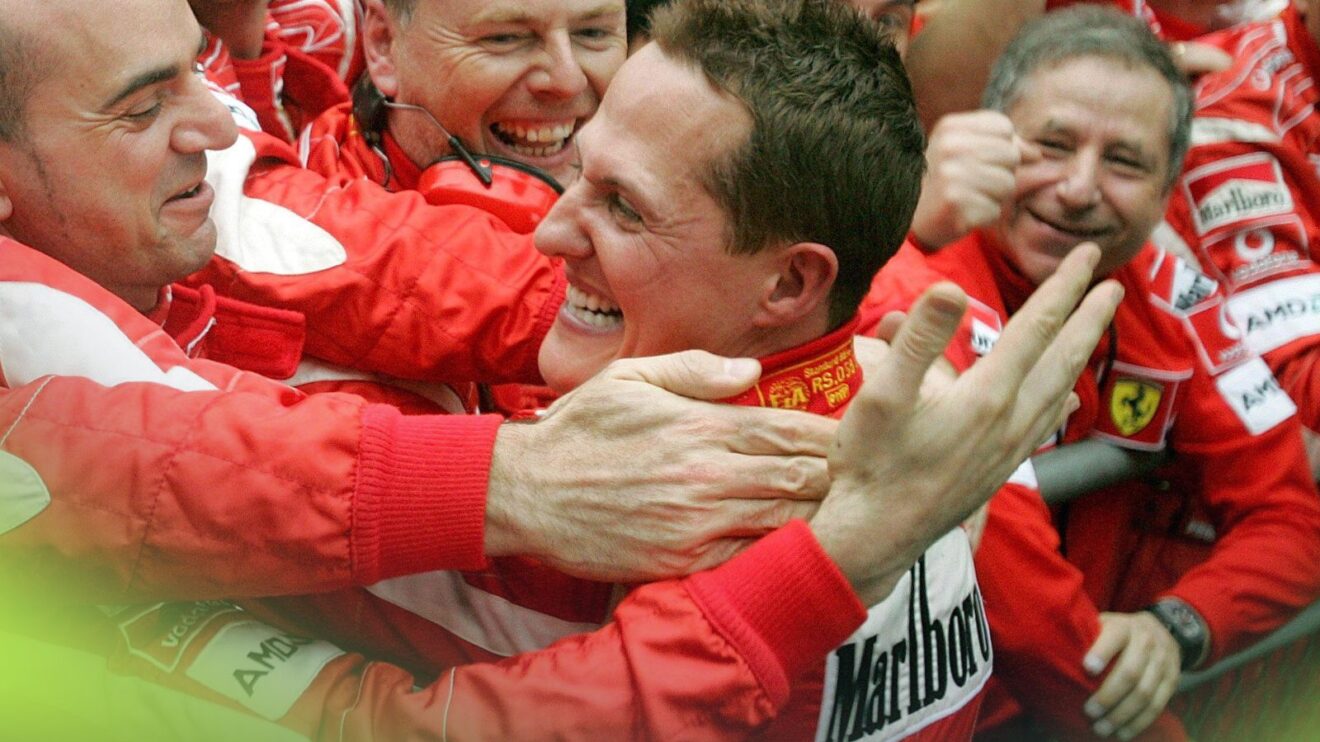
That's the FIA pulse, unfiltered. No Ferrari blunder to blame here. Just a man whose laps heartbeat with the consistency Michael Schumacher weaponized in 2004. Remember Schumi's Imola that year? 1:19.953, flawless across 18 rounds, telemetry secondary to seat-of-pants genius. Modern squads? Drowning in real-time feeds, ignoring the driver's soul.
Reliability Phantoms and the Robotization Horizon
But zoom out, and the sheets bleed red flags. Mercedes' mixed fortunes aren't footnotes; they're fissures. Antonelli, championship leader, dominates mid-session then stalls for "power unit investigation." Russell battles understeer ghosts, tires screaming surrender. Aston Martin joins late, upgrades unproven after the break. This 90-minute mercy run, stretched for rule tweaks and Sprint compression, exposes the cracks in our data-obsessed grid.
Here's the ledger of woes:
- Aston Martin: Honda PU glitch sidelines Alonso/Stroll, track time slashed by 30+ minutes.
- Mercedes: Antonelli's soft-tyre dream dies; Russell's flats cost three potential flyers.
- Tire divergence: Hards for baselines (Leclerc et al.), Mediums for Red Bull (Verstappen, Isack Hadjar), Softs pioneered by AM.
These aren't glitches. They're heart attacks in the numbers, correlating to pressure spikes. Antonelli's drop-off? Freshman weight post-break, life events etching hesitation into throttle traces. Alonso's delay? Echoes of 2004 Schumacher, who turned garage time into psychological warfare, emerging sharper.
Yet here's the sterile storm brewing. In five years, F1's analytics fever will birth robotized pits: algorithmic stops synced to millisecond models, driver input muted like background static. Miami hints at it already, limited practice forcing blind faith in sims over gut. Saturday's Sprint Shootout and race? Pure premium on setup sorcery, Friday afternoon qualifying for the GP a data dice roll. Long-run pace? Unknown. Tire deg? Buried in unknowns.
Teams scrambled to evaluate upgrades after a five-week break ahead of a critical Sprint weekend.
FIA nails it. But data as emotional dig? Verstappen's mediums whisper Red Bull caution, Piastri's third a McLaren heartbeat steady but unspectacular. Hamilton fourth? Veteran pulse defying age.
Schumacher in 2004 laughed at such telemetry tyranny. Ferrari that year averaged 0.2s quali edges via driver-led tweaks, not feed floods. Leclerc channels that ghost, his Miami lap a rebellion against the algorithm apocalypse.
Verdict: Numbers Unearth Miami's Hidden Heart
Miami's sheets don't predict; they prophesy. Leclerc leads not by luck, but lineage, his pace a 2022-2023 qualifier clinic unfairly smeared by team sins. Issues plague Mercedes and Aston, but in this Sprint crucible, the intuitive thrive. Expect quali chaos, Friday afternoon grid-setter favoring feel over feeds. Sunday GP? Points from Saturday Sprint hinge on unearthing long-run souls.
The sport risks sterility, laps reduced to predictable pulses. But today, data digs deeper: Leclerc's 1:29.310 beats back the bots, Schumacher's shadow long. Watch the heartbeats. They tell the real story.
(Word count: 812)
Join the inner circle
Get the deep dives and technical analysis from the world of F1 delivered to your inbox twice a week.
Zero spam. Only high-octane analysis. Unsubscribe anytime.
Continue Reading
View More News