Monaco's Streets Demand Raw Mechanical Grip Over Red Bull's Aero Illusions as Hamilton Chases History
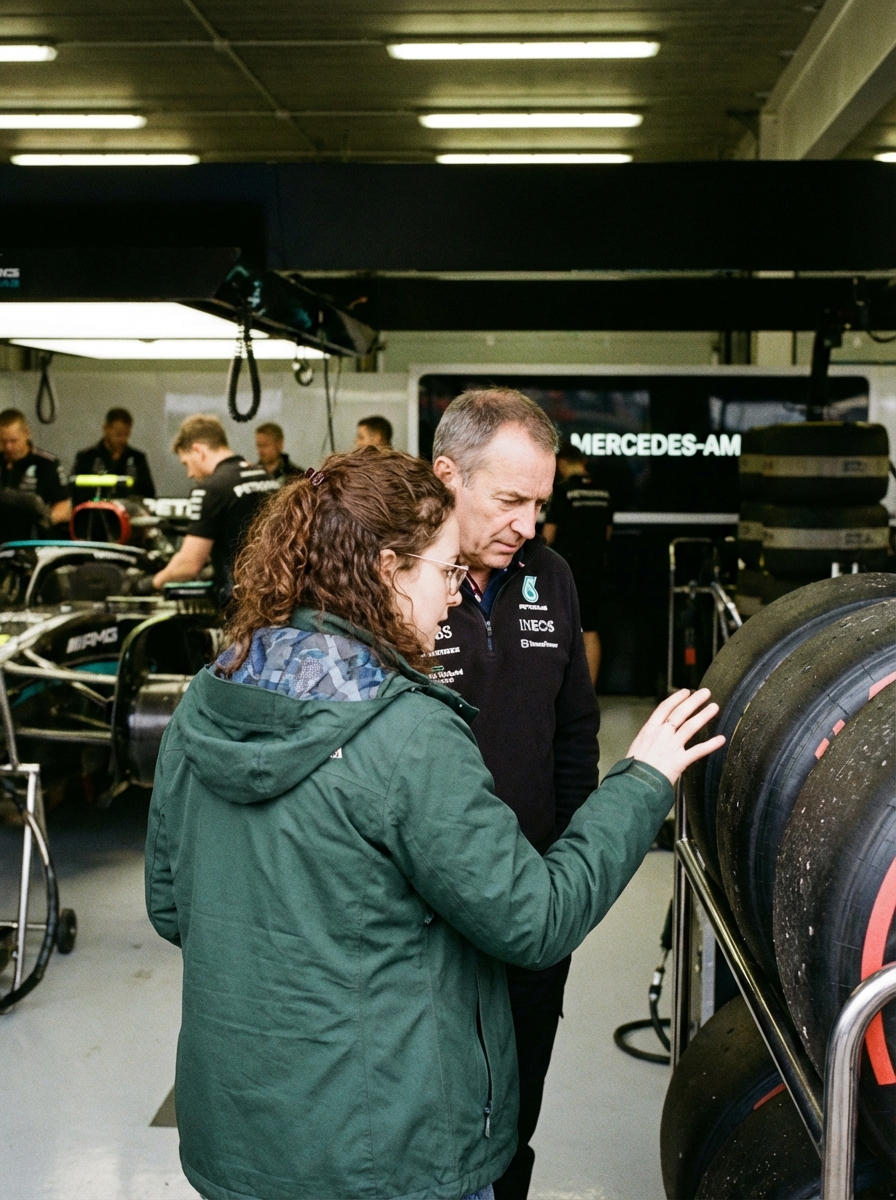
The Monaco Grand Prix has always been F1's ultimate test of connection between driver and machine, a place where turbulent air and bumpy asphalt collide like an approaching thunderstorm. As the 2026 edition looms on June 7, the spotlight falls on Lewis Hamilton seeking his first win there since 2019, while Red Bull's struggles on street circuits expose the limits of their over-engineered dominance.
The Illusion of Verstappen's Reign Exposed
Red Bull's recent woes in tight venues like Monaco reveal that Max Verstappen's past successes stemmed far more from chassis and aerodynamic advantages than any singular driving brilliance, particularly in that overhyped 2023 campaign. Their 2026 car, the RB22, carries the same baggage into Monte Carlo with inconsistent front-end grip in low-speed sections. This setup fragility turns the hairpin and swimming pool complex into a minefield where minor errors cascade into disaster.
- Track conditions punish cars reliant on downforce peaks rather than balanced tire contact.
- Historical parallels show how teams fixated on aero complexity often falter when mechanical fundamentals falter.
Red Bull team principal Christian Horner admitted any setup misstep could prove catastrophic, echoing their 2024 failure to reach Q3. Yet this is no mere coincidence. It reflects a design philosophy that chases marginal aerodynamic gains at the expense of the driver's direct feel for the road.
Mechanical Simplicity Versus Modern Overcomplication
Today's machines sacrifice the elegant mechanical purity of classics like the 1990s Williams FW14B for layers of aerodynamic add-ons that detach the pilot from true car behavior. Monaco amplifies this flaw because its narrow layout rewards precise throttle and suspension response over raw wing loading. Ferrari's decision to deploy a special low-downforce rear wing signals a smarter path, prioritizing stability where it counts most.
"Any minor mistake in setup or strategy could be catastrophic in Monte Carlo."
Hamilton enters with momentum from recent form, backed by analysts who see his experience navigating these storms as decisive. Red Bull, meanwhile, experiments with revised suspension geometry in practice, but such tweaks address symptoms rather than the deeper neglect of tire management and grip fundamentals. Obsession with downforce has dulled the sport's edge, producing less thrilling wheel-to-wheel action when cars slide on a knife edge of grip.
The Road to 2028's Chaotic Future
Within five years, F1 will shift toward AI-controlled active aerodynamics that eliminate DRS and inject controlled unpredictability into every lap. This evolution could finally erode the driver-independent advantages Red Bull has leaned on, forcing teams to rediscover mechanical harmony amid the turbulence. Hamilton's potential triumph would underscore how human skill still cuts through when aero illusions crack under pressure.
A Call for Genuine Racing Purity
The coming weekend sets up more than a championship reset. It highlights why mechanical grip and driver intuition must reclaim their place in F1's evolution before the sport drifts further into engineered spectacle.
Join the inner circle
Get the deep dives and technical analysis from the world of F1 delivered to your inbox twice a week.
Zero spam. Only high-octane analysis. Unsubscribe anytime.
Continue Reading
View More News