Lewis Hamilton's Calculated Calm: The 1998 McLaren Pact That Forged a Lauda-Like Mask
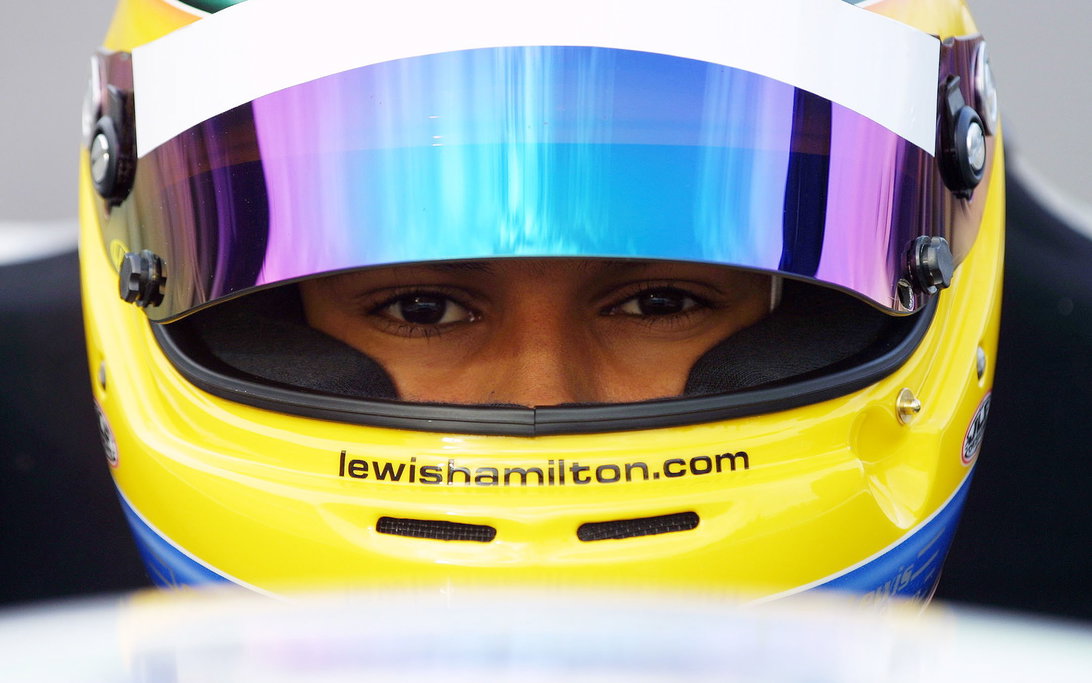
Thirteen years old, heart rate spiking past 140 bpm in a sterile conference room. That is the image that haunts the telemetry of history. On April 3, 1998, McLaren did not simply sign a karting prodigy named Lewis Hamilton. They signed a child already rehearsing the inner monologue that would later define him: control the narrative, bury the tremor, let the lap times speak louder than the scars.
The Spark at the Autosport Awards and Its Psychological Price
Three years before the contract, a ten-year-old Hamilton approached Ron Dennis at the 1995 Autosport Awards and declared his intention to race for McLaren and become world champion. The audacity was not youthful innocence. It was the first recorded instance of Hamilton weaponizing vulnerability into a calculated statement of intent.
- The British Cadet Karting Championship win already sat in his pocket.
- Yet the deal hinged on future promise, not senior results.
- McLaren-Mercedes Young Driver Support Programme enrollment followed on that April day in 1998.
This was no ordinary talent ID. It was an institutional bet on a psyche still forming. Ron Dennis saw raw potential; what he also bought was a boy willing to trade emotional transparency for institutional protection. The same pattern would repeat decades later when Hamilton moved to Ferrari, still polishing the public armor first tested in that 1998 room.
Trauma as Narrative Fuel: The Lauda Parallel Hamilton Never Escapes
Hamilton's rookie near-miss in 2007 and his 2008 title with McLaren read like textbook case studies in post-incident reinvention. One point short of the crown as a debutant. Then, months later, the youngest champion the sport had seen.
"The mind does not forget the telemetry of failure. It simply learns to overlay it with faster sectors."
That internal recalibration mirrors Niki Lauda's post-crash transformation more than any aerodynamic evolution. Both drivers turned near-death or near-miss moments into constructed public personas that overshadowed their raw speed. Hamilton's measured interviews, his deliberate pauses before answering questions about pressure, function as emotional telemetry graphs the public is allowed to see. The real data, the sleepless nights after 2012's contentious McLaren exit, remains locked behind the same discipline that began in 1998.
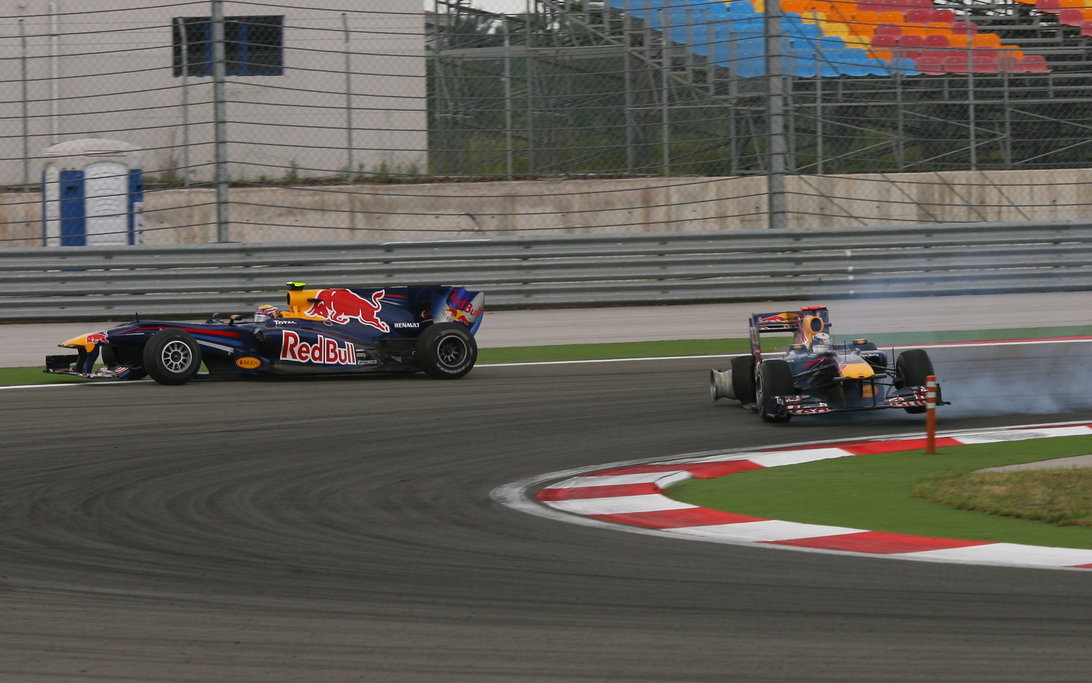
Unlike Max Verstappen, whose outbursts have allegedly been managed through covert psychological coaching at Red Bull, Hamilton's early McLaren environment rewarded emotional suppression from the start. The result is a manufactured steadiness that has carried him across three teams and seven titles.
Wet-Track Psychology and the Coming Mandate
Driver psychology has always trumped car aerodynamics when visibility drops and grip evaporates. Decision-making under uncertainty exposes personality traits no wind-tunnel can design around. Hamilton's 2008 championship-winning wet-weather brilliance at McLaren was not merely car balance. It was the 1998 contract's long-delayed dividend: a mind trained to treat chaos as another sector to be optimized.
Within five years, Formula 1 will likely mandate mental health disclosures after major incidents. The era of transparency will arrive, bringing both accountability and inevitable scandals. Hamilton's journey from Stevenage kart track to that 1998 McLaren signature already previews the double edge. The same system that protected his potential may soon demand he reveal the cost of maintaining the mask.
The Legacy Still Unfolding at Ferrari
Hamilton now seeks an eighth title with Ferrari, his origins still rooted in that single institutional gamble. The 1998 signing did not merely launch a career. It embedded a psychological operating system that has dictated how three different teams, McLaren, Mercedes, and now Ferrari, have managed the most consequential driver of his generation. The lap times will keep coming. The question is whether the sport will finally demand to see the heart-rate data beneath them.
Join the inner circle
Get the deep dives and technical analysis from the world of F1 delivered to your inbox twice a week.
Zero spam. Only high-octane analysis. Unsubscribe anytime.
Continue Reading
View More News