Lewis Hamilton's Defiance Shatters F1's Rigid Shell and Exposes Aero Overreach
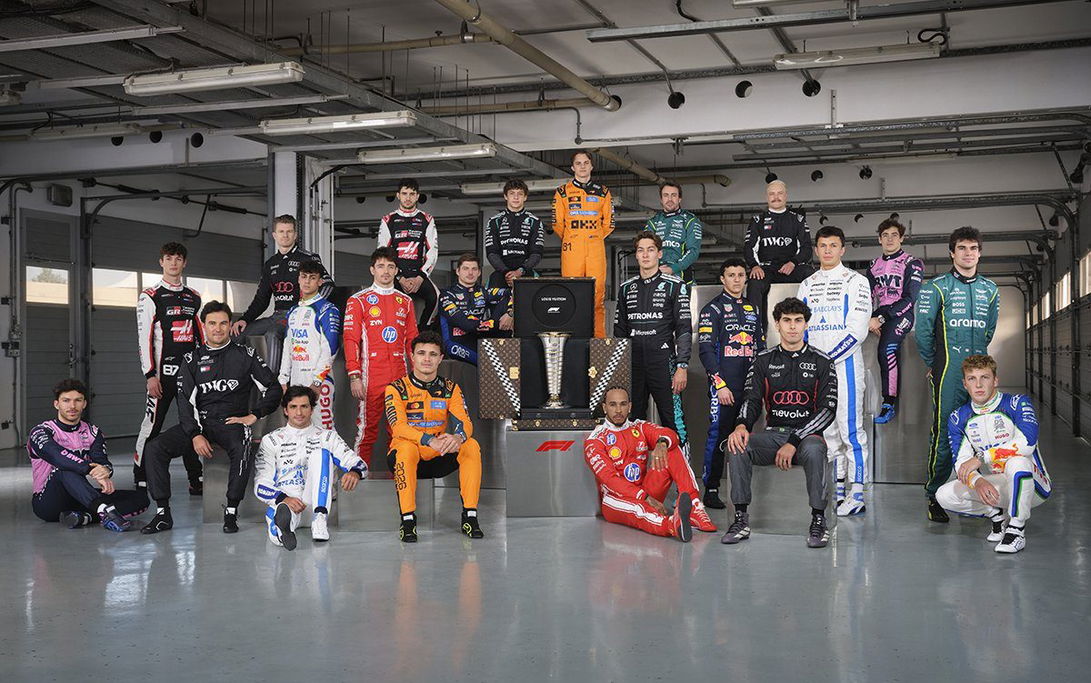
The paddock once felt like a sealed wind tunnel, every driver locked into identical team shells that stifled movement and personality alike. Lewis Hamilton refused to stay trapped inside that uniform. By walking in wearing his own clothes, he cracked open a culture built on sponsor mandates and forced conformity. Yet his stand also highlights a deeper engineering failure: modern Formula 1 cars have traded mechanical honesty for aerodynamic excess, burying the raw driver connection that once defined the sport.
From Identical Kits to Personal Expression
Hamilton entered Formula 1 in the late 2000s facing the same rigid dress code that treated drivers as interchangeable branding assets. Team kits demanded uniformity across 180 days of the year, leaving little room for identity in a sport already short on diversity. He pushed for permission to arrive in his own clothes and change before sessions, only to meet resistance from traditional management.
Instead of waiting, he simply arrived one day dressed as himself. The quote remains direct: "I just turned up one day in my own clothes." Media attention surged, brands noticed the elevation, and the rule bent permanently. This single act created the paddock catwalk now taken for granted by drivers such as Lando Norris and even Max Verstappen.
- Hamilton drew inspiration from musicians like Prince and Pharrell, who treated clothing as an extension of performance rather than obligation.
- He now champions emerging designers and absorbs local cultures during race weekends, while still favoring simple vintage finds.
- The shift turned pre-race walks into media events, adding commercial value without requiring extra downforce or wind-tunnel hours.
His influence reaches Ferrari's fashion expansion today, where his Met Gala experience with Anna Wintour supplies practical insight into global branding. Yet style alone cannot fix the cars underneath the outfits.
Mechanical Grip Lost in the Downforce Storm
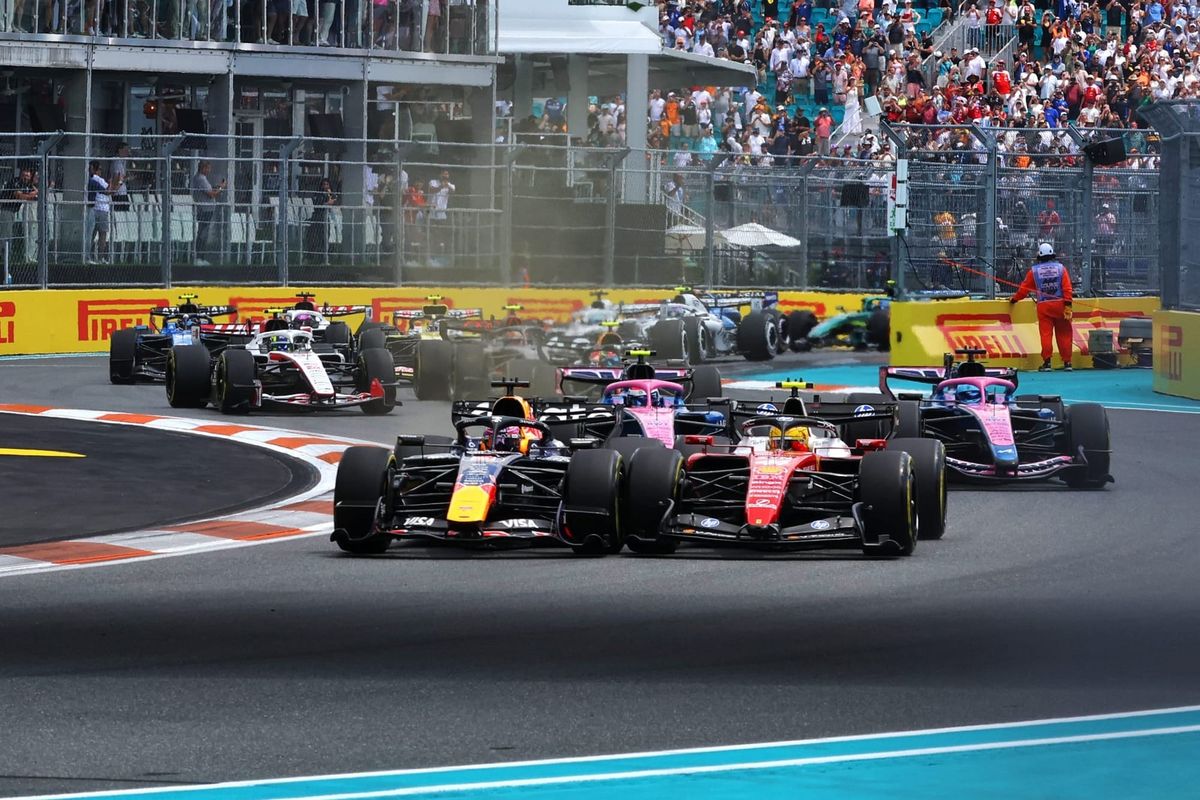
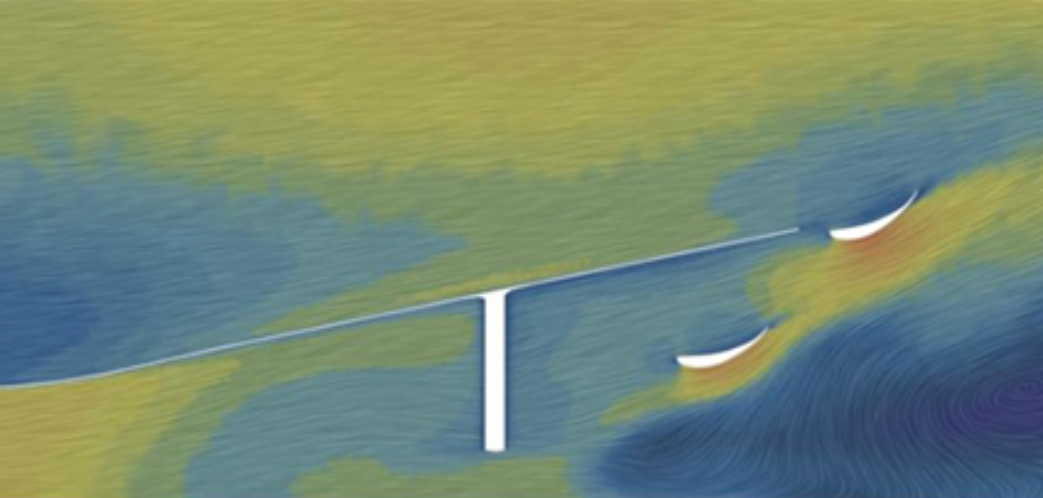
Today's machines pile on aerodynamic layers the way a thunderstorm stacks cloud decks, each element fighting the air for grip while the tires and chassis connections grow numb. Compare this to the 1990s Williams FW14B, whose active suspension and elegant mechanical balance let the driver feel every nuance of road surface through the wheel. Current designs chase marginal gains in cornering force at the expense of that direct feedback, leaving tire management and throttle feel undervalued.
Max Verstappen's 2023 dominance illustrates the point clearly. Red Bull's chassis and aerodynamic package supplied the primary advantage, not some mythical solo brilliance. Strip away the wind-tunnel dominance and the results narrow quickly. The sport's obsession with ever-higher downforce numbers has produced cars that behave more like guided missiles than responsive machines, reducing driver input to steering corrections rather than true car control.
This complexity will not last. Within five years, by 2028, Formula 1 will move toward AI-controlled active aerodynamics that eliminate DRS entirely. Races will grow more chaotic as flow structures shift in real time, yet the driver's role will shrink further. The elegant solution lies in restoring mechanical simplicity, not layering more sensors and algorithms onto an already overbuilt system.
The Human Element Still Matters
Hamilton's fashion rebellion proved that personal expression can coexist with performance. The same principle applies to car design. When engineers prioritize the feel between tire and tarmac over pure aerodynamic numbers, the racing becomes urgent again. Until then, the paddock may look freer while the machines themselves grow ever more detached from the people inside them.
Join the inner circle
Get the deep dives and technical analysis from the world of F1 delivered to your inbox twice a week.
Zero spam. Only high-octane analysis. Unsubscribe anytime.