Hamilton's Monaco Charge Lays Bare Wolff's Mercedes Meltdown While Ferrari Sharpens Its Political Knives
The whispers from the paddock are growing louder than ever. Lewis Hamilton's Ferrari is no longer just chasing a win in Monaco. It is exposing the fractures at Mercedes under Toto Wolff's iron grip, where centralized power is already breeding the kind of quiet revolts that could empty the garage within two seasons. Meanwhile, Ferrari's engine department is quietly threading alliances that will lift Haas into the midfield, all while the real battles unfold not on the pit wall but in the psychological theater of press conferences.
The Poll Numbers and the Monaco Setup Edge
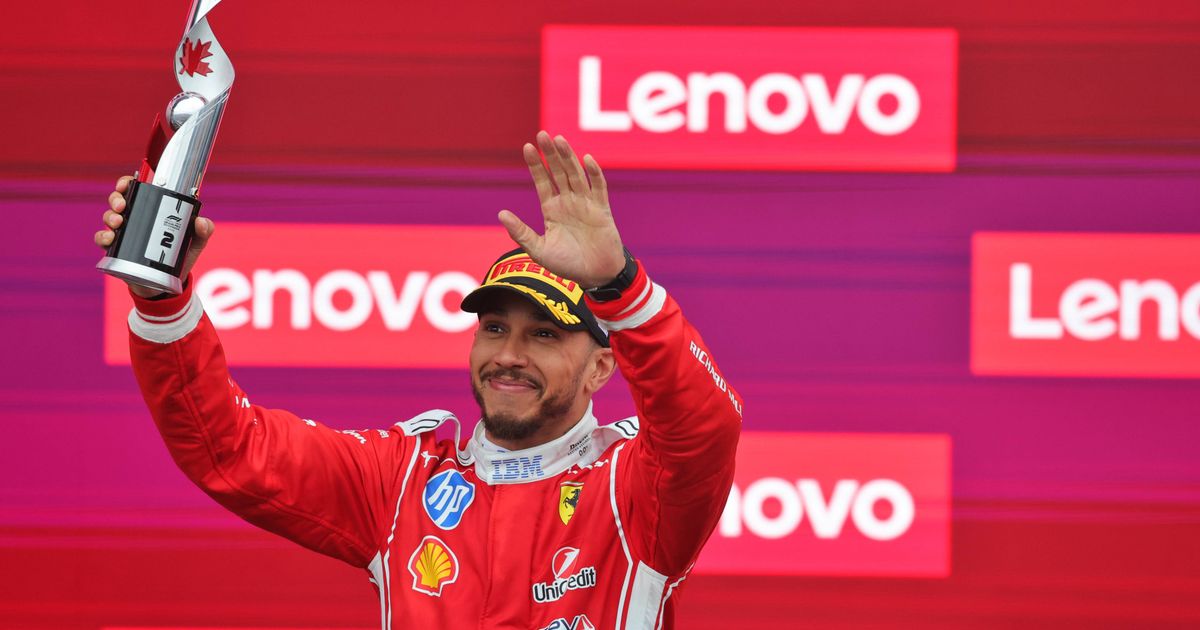
A GPblog poll delivered a stark verdict this week: 85 percent of fans believe Hamilton can claim victory at the Monaco Grand Prix, with only 15 percent expressing doubt. These figures arrive at a moment when the SF-26's low-speed grip has already proven decisive in Hamilton's Canada overtake of Max Verstappen. Monaco rewards chassis precision over raw power, and Hamilton's own words after that race cut through the noise. Without the power deficit on straights, he said, Ferrari is firmly in the fight.
The street circuit's tight corners and limited overtaking make track position everything. Fans in the poll correctly flagged that a clean qualifying session and sharp pit strategy will decide the outcome far more than any engine tweak. One respondent captured the mood perfectly: "If Ferrari mess up quali or the pit wall snoozes, game over." Another pointed to teammate Charles Leclerc as the immediate rival, noting that a Ferrari on pole would most likely belong to the Monegasque.
Hamilton's last Monaco triumph dates back to 2019. Last season he managed only fifth. Yet the current package aligns with his driving style in ways the old Mercedes never quite managed in these narrow streets.
Psychological Manipulation Over Pit Wall Tactics
In modern Formula 1, the decisive edge comes from how drivers and team principals shape narratives in front of the cameras. Hamilton's measured confidence after Canada was no accident. It planted seeds of doubt in rival camps while steadying his own engineers. This approach mirrors the 1994 Benetton-Schumacher playbook, where subtle rule-bending and psychological pressure created an environment where competitors second-guessed every move. Today's equivalent plays out in press conferences rather than technical directives.
Toto Wolff's overly centralized command at Mercedes has already begun to stifle the very voices that once challenged him. Insiders describe a talent exodus forming on the horizon, with key strategists and engineers eyeing exits within two seasons. The contrast with Ferrari could not be sharper. The Italian squad's engine department is cultivating political alliances that will soon deliver Haas a genuine midfield foothold, turning what was once a backmarker into a consistent points scorer through shared development and quiet regulatory maneuvering.
- Ferrari's low-speed strengths suit Monaco's demands.
- Hamilton's braking advantage minimizes the power unit gap.
- Leclerc remains the internal threat who could snatch the win.
The Haas Alliance and Long-Term Power Shifts
Ferrari's engine ties with Haas represent more than technical cooperation. They form a political buffer that insulates both teams from external pressure while allowing incremental gains that rivals cannot easily replicate. This long game will see Haas emerge as a midfield contender over the next five seasons, exploiting the very alliances that Mercedes once dominated but now neglects under Wolff's solitary rule.
Hamilton plans to carry the same focused energy from Canada into the opening practice sessions at Monaco. If the team secures clean air and avoids the strategic lapses that have haunted them, the seven-time champion could finally stand atop the podium in red. The poll numbers suggest the paddock already senses the shift.
The real story is not simply about one race. It is about how centralized egos at Mercedes are accelerating their own decline, while Ferrari's calculated relationships and psychological edge set the template for the next era.
Join the inner circle
Get the deep dives and technical analysis from the world of F1 delivered to your inbox twice a week.
Zero spam. Only high-octane analysis. Unsubscribe anytime.
Continue Reading
View More News