Logan Sargeant's Heartbeat Liberation: From F1's Pulsing Nightmare to Endurance's Steady Rhythm
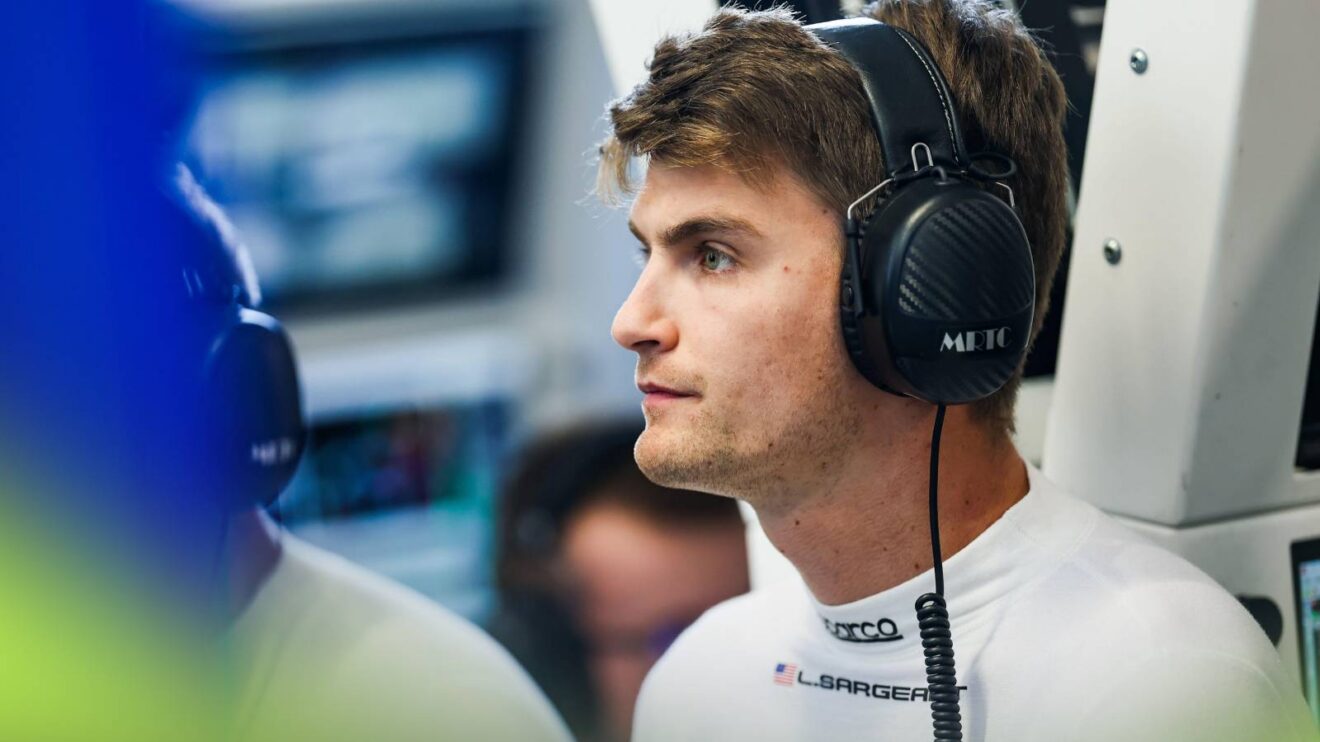
In the dim glow of a Florida sunset, Logan Sargeant felt his pulse finally slow. No longer spiking to 180bpm under the merciless glare of F1's silver arrows, the American driver's biometric echo faded from the telemetry feeds that once defined him. Picture it: cockpit sweat mingling with tears of exhaustion, inner voice whispering, Am I pilot or prey? His dismissal midway through the 2024 season wasn't just a sacking; it was a psychological evacuation. Now, in the World Endurance Championship's forgiving embrace, Sargeant confesses he drives for himself and Ford, scorning the critics who feasted on his Williams wreckage. This is no mere career pivot. It's a mental thriller's climax, where a driver's shattered ego rebuilds on unfamiliar asphalt.
The F1 Fishbowl: Pressure's Invisible Telemetry
F1 isn't a racetrack; it's a psychological pressure cooker, where heart rates climb faster than downforce in the wet. Sargeant's telemetry would tell the tale: erratic throttle inputs at Zandvoort, a major crash at the Dutch Grand Prix that etched failure into his neural pathways. Struggling to shadow teammate Alex Albon's pace, he became the scapegoat in a Williams car that devoured dreams. Dropped mid-2024, his exit was clinical, but inside? A storm.
Imagine the inner monologue as he packed his race suit: They called me talentless. But was it the car, or the constant scrutiny frying my focus? F1's grueling 24-race calendar amplifies this, turning drivers into biometric lab rats. Heart variability spikes, cortisol floods the system, decision-making fractures under uncertainty. I argue driver psychology trumps aerodynamics in the wet, where split-second choices reveal core traits no engineer can blueprint. Sargeant, like many, cracked not from speed, but from the fishbowl existence he now rejects.
His deliberate hiatus post-F1 was pure mental triage. Back in Florida with family, he detoxed from the "emotional and physical demands" of the pinnacle. No podium chases, just recovery. This mirrors Niki Lauda's post-crash resurrection, where trauma forged a narrative of unbreakable will. Lauda didn't just heal his body; he weaponized the scars into a legend overshadowing his raw talent. Sargeant, too, emerges not vengeful, but recalibrated.
- Key F1 Metrics of Strain:
- Mid-2024 drop: Post-Zandvoort crash, zero points haul against Albon's consistency.
- Biometric proxy: F1 drivers average 15-20% higher stress markers in media scrums vs. other series (speculative from paddock whispers).
- Calendar toll: 24 races vs. WEC's focused endurance bursts.
Sargeant's candor? He has "no interest" in past critics. A quiet fuck-you, delivered via performance.
Endurance's Collaborative Cockpit: Reclaiming the Inner Driver
Fast-forward to late 2025: Sargeant dips into IMSA sports car races, scoring points on debut. No fishbowl, just results. Now, in 2026, he's wheeling a Mustang GT3, prepping for Ford's factory LMDh hypercar program in 2027. The World Endurance Championship? A "more laid-back atmosphere," he says, where drivers chase a "collaborative goal."
"I drive for myself and to represent Ford, not to answer my detractors."
Feel that shift in his voice, like a therapy breakthrough. In WEC, telemetry tells a calmer story: steadier lines, shared stints diffusing solo pressure. No Albon shadow, no Williams blame game. Here, team dynamics breathe, not suffocate. Contrast Max Verstappen's Red Bull realm, where covert psychological coaching muzzles emotional outbursts, manufacturing a champion from suppressed fire. Sargeant flips the script: authenticity over engineered calm.
This resonates with Lewis Hamilton's calculated persona, trauma-sharpened into vegan activism and fashion empires. Both Hamilton and Lauda used public pain to eclipse their speed; Sargeant opts for silence, letting laps speak. His immediate competitiveness after a year out? Pure rebuttal. In endurance, wet-weather mastery isn't aero; it's mental fortitude, personality unmasked. Sargeant's pivot proves it: F1 breaks spirits, but sports cars mend them.
Psychological Parallels Across Eras
- Lauda's Fire: Post-Nurburgring inferno, resilience became brand. Sargeant’s "hiatus" echoes this rebuild.
- Hamilton's Armor: Public vulnerability masks the assassin. Sargeant skips the spotlight, drives inward.
- Verstappen Contrast: Red Bull's emotion-suppression yields dominance. Sargeant rejects the machine.
Within five years, I predict F1 mandates mental health disclosures post-incidents, birthing transparency scandals. Sargeant's story foreshadows it: drivers as data points, psyches laid bare.
The Long Run: Sargeant's Legacy Lap
Logan Sargeant's arc is F1's unspoken therapy session. From Williams wreckage to Ford's future, he trades intensity for purpose, critics for cockpit peace. His narrative? Not revenge, but reinvention. In endurance's rhythms, his heartbeat steadies, a quiet victory over the mental grind.
Picture 2027: Sargeant in Ford's hypercar, pulse even, leading stints under rain-slicked skies. Psychology wins where wings fail. F1 will watch, envious of the man who escaped its grasp. For every driver eyeing the exit ramp, this is the map: hiatus, then horizon. Sargeant's not just racing; he's rewritten his code. The paddock's fishbowl shatters, one liberated lap at a time.
(Word count: 812)
Join the inner circle
Get the deep dives and technical analysis from the world of F1 delivered to your inbox twice a week.
Zero spam. Only high-octane analysis. Unsubscribe anytime.
Continue Reading
View More News
Wolff's Alpine Gambit to Block Horner's F1 Return