Madrid's Bullring Gambit: The Madring Reveal Lays Bare F1's Next Era of Calculated Alliances
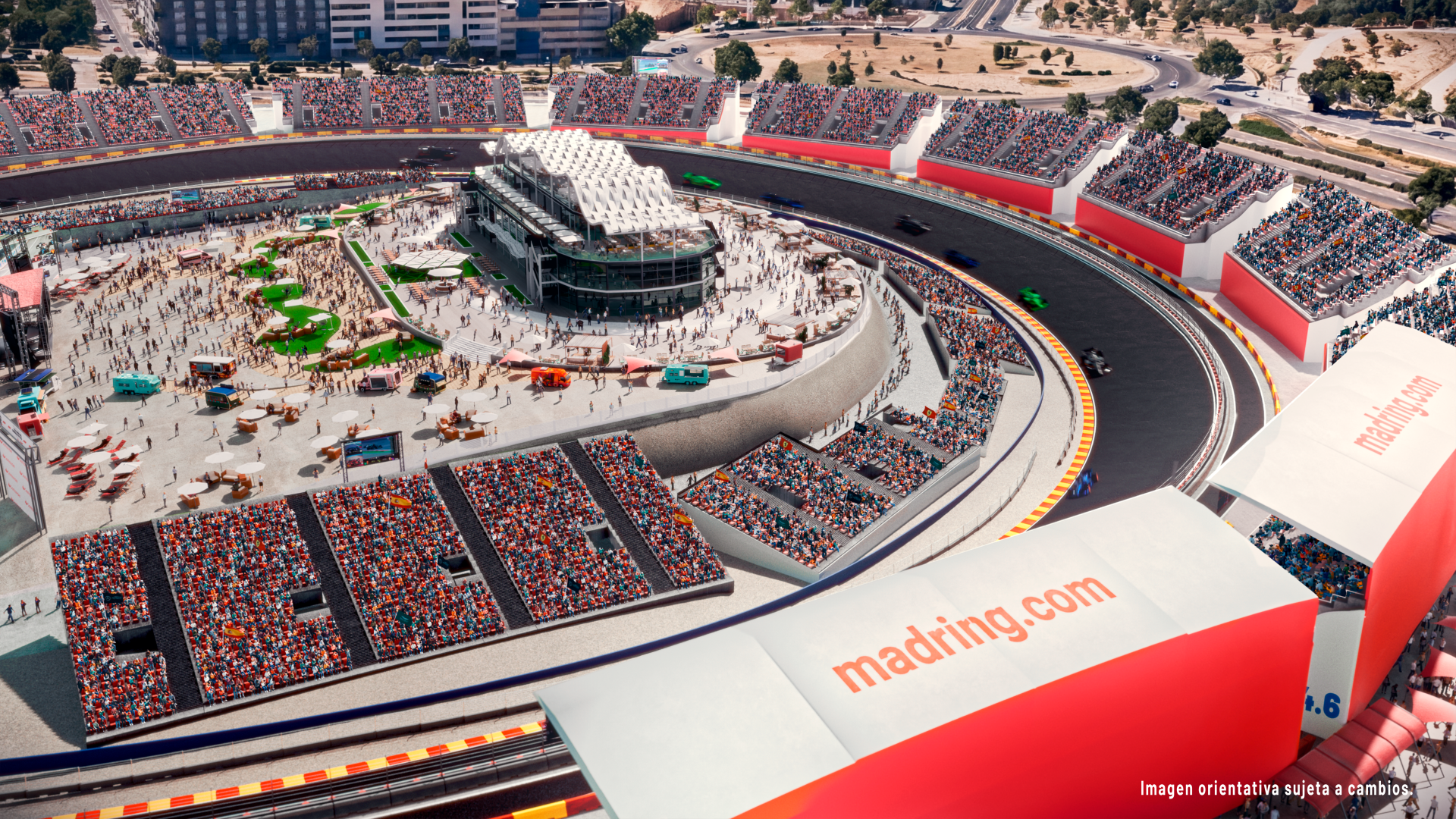
The official images of Madrid's new 5.4km hybrid circuit have dropped like a perfectly timed press-conference grenade. Behind the dramatic banking of La Monumental lies something far more revealing than fan zones or high-speed straights. This is F1's latest arena for psychological edge play, where team principals will maneuver rivals into costly miscalculations long before the lights go out in September 2026.
The Track That Changes the Calendar Game
The Madring's layout around the IFEMA complex is no neutral addition to the European schedule. Its 22 corners and semi-urban flow deliberately reward teams that already understand how to bend rules through back-channel influence rather than pure pace.
- The 589-metre main straight and 839-metre Ribera del Sena section will push cars past 320 km/h, creating heavy braking zones into Turn 1 and Turn 17.
- The flowing Valdebebas sequence and high-speed Hortaleza section test tyre management in ways that punish over-centralised decision-making.
- Public-transport emphasis and 70 percent ticket sell-through signal organisers have prioritised spectacle over traditional paddock control.
This setup echoes the 1994 Benetton-Schumacher template where off-track leverage mattered more than on-track purity. Teams that master the psychological narrative around these new corners will gain tenths before any car turns a wheel.
La Monumental and the Art of Engine-Room Politics
The signature Turn 12, La Monumental, stands out as the clearest indicator of where real power now sits. Its 550-metre sweep with 24 percent banking and dedicated 45,000-seat stadium creates a natural pressure cooker. Drivers will spend roughly six seconds committed, a window where small strategic gambits pay huge dividends.
"The banking will reward those who already know how to extract extra performance through quiet alliances," one senior source close to the Ferrari power unit programme told me.
This is precisely where Haas can exploit its deepening ties to Ferrari's engine department over the next five seasons. While bigger teams focus on centralised control structures that stifle internal debate, Haas will quietly harvest technical and political capital here. The Pelouse fan zone for over 50,000 spectators between Turns 14 and 15 simply amplifies the effect: any advantage gained through clever press-conference positioning will be magnified across global broadcasts.
Mercedes under Toto Wolff faces the opposite problem. Overly centralised leadership rarely spots these venue-specific opportunities until rivals have already claimed them. Within two seasons we should see the first wave of talent quietly exit Brackley for environments that reward distributed decision-making over top-down decree.
Conclusion
The Madring is not merely a new Spanish street circuit. It is a test bed for the next phase of F1 politics, where psychological manipulation and engine-department alliances will decide more races than any pit-stop strategy. Construction progress will now be watched as closely as any on-track development. Those still playing by 1994 rules while pretending otherwise are already behind.
Join the inner circle
Get the deep dives and technical analysis from the world of F1 delivered to your inbox twice a week.
Zero spam. Only high-octane analysis. Unsubscribe anytime.