Data Heartbeats Reveal Verstappen's True Edge at the Nordschleife

The timing sheets from the first six hours at the Nürburgring do not lie. They pulse with a rhythm that feels almost alive, each sector split registering like a heartbeat accelerating under unseen pressure. Max Verstappen's double stint carved a 20-second gap into the leaderboard, not through hype or headline prose, but through raw deltas that outpaced every rival's telemetry predictions. While narratives spin tales of sensational charges, the numbers expose something quieter and more human: a driver who trusted feel when the data stream urged caution.
Lap Time Archaeology and the Weight of Consistency
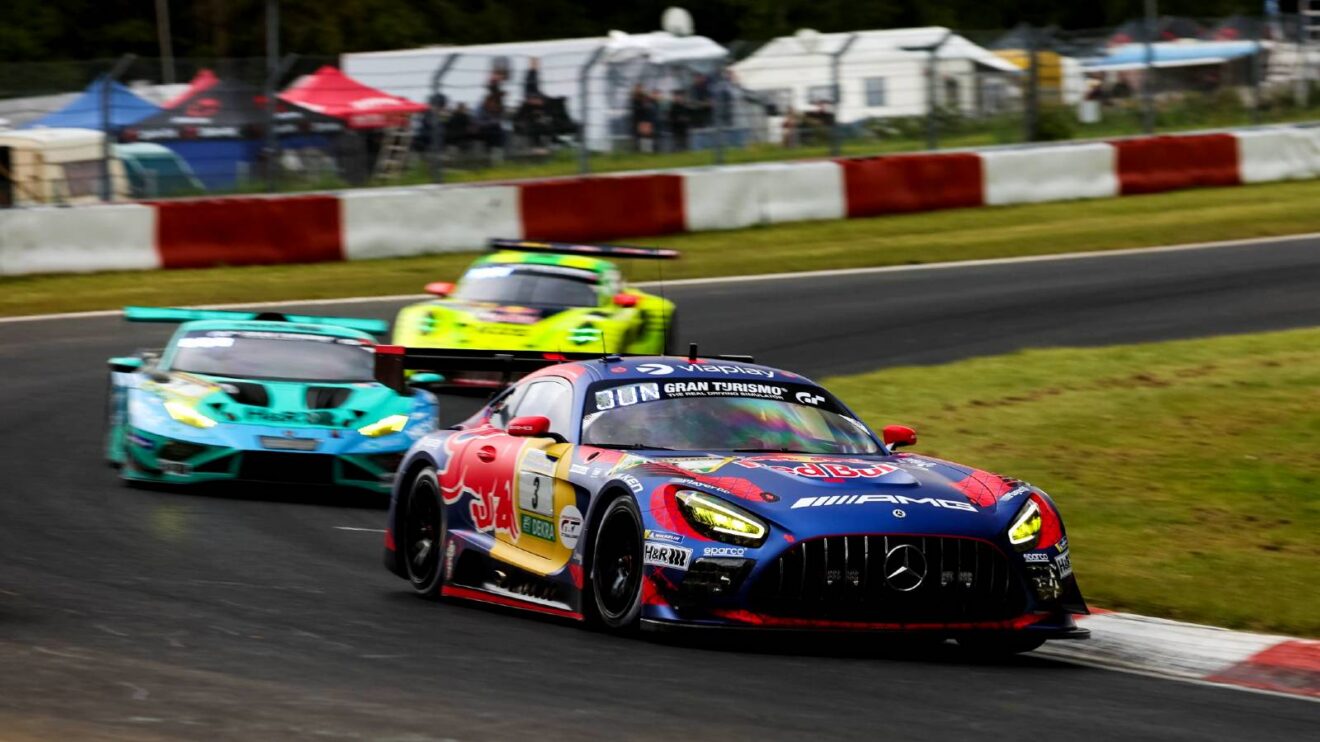
Verstappen took over the #3 Verstappen Racing Mercedes-AMG one hour into the race from Daniel Juncadella. His stint produced the kind of incremental gains that echo Michael Schumacher's 2004 season at Ferrari, where every lap felt like a measured exhale rather than a desperate gasp. Schumacher posted near flawless consistency across that championship year, often dropping sector times by mere tenths while rivals chased setup tweaks. Here the same pattern emerges. Verstappen's passes, including the two wheels on the grass move past the #47 Mercedes-AMG and the inside slice on the #911 Porsche at turn one, translated into a clear advantage that the sheets record without embellishment.
- The double overtake on the Döttinger Straight against the #67 Ford Mustang and #34 Aston Martin added critical seconds that compounded into the full 20-second buffer.
- Handover to Jules Gounon kept the car near the front until Lucas Auer in the #80 Winward Racing Mercedes reclaimed the lead by just 1.1 seconds at the six-hour mark.
- The pole-sitting #84 Lamborghini, already four minutes off pace after a lap-one puncture, sits 14th and illustrates how early mechanical variance can erase even the strongest starting data.
These figures serve as emotional archaeology. They hint at pressure points where driver intuition overrode real-time calls from the pit wall, much as Schumacher once ignored early telemetry to chase his own rhythm.
When Telemetry Threatens to Silence the Driver's Pulse
Modern endurance racing still allows space for that human variable, yet the warning signs point toward a colder future. Within five years, F1's obsession with algorithmic pit windows and predictive models risks turning every race into a sterile simulation. Verstappen's aggressive moves succeeded precisely because they defied the safest data line. If teams continue prioritizing automated strategies over driver feel, we will watch heartbeats flatten into predictable lines on a screen.
The numbers from this Nürburgring stint already show what happens when intuition leads: gaps open that no spreadsheet can fully forecast.
Retirements underscore the same lesson. The pre-race favorite #16 Audi R8 exited after Alexander Sims encountered traffic, while the #911 Porsche dropped out following Kevin Estre's crash. These incidents appear as sudden flatlines in the timing data, moments where external chaos overwhelmed even the most sophisticated setups. The #3 team now sits poised with 18 hours left, darkness settling and rain possible, needing only to protect the narrow margin against the #80 Mercedes and the #34 Aston Martin two minutes back in third.
The Road Ahead Through the Data Fog
The remaining night will test whether Verstappen returns for another stint and whether the #3 Mercedes can maintain its recorded rhythm. The sheets will continue their quiet narration, revealing drop-offs tied to fatigue or weather shifts that no pre-race model can capture. Schumacher's 2004 benchmark reminds us that consistency arises from trusting the wheel more than the wireless feed. If endurance racing preserves that balance, the sport may yet resist the coming wave of robotized decisions. Otherwise the heartbeats will fade, replaced by the flat, efficient hum of pure calculation.
Join the inner circle
Get the deep dives and technical analysis from the world of F1 delivered to your inbox twice a week.
Zero spam. Only high-octane analysis. Unsubscribe anytime.