The Counterintuitive Pulse: When Throttle Delays Outrun Perfect Laps and Drag F1 Closer to Robotic Sterility

The timing sheets pulse like heartbeats under pressure, and this latest data anomaly from McLaren reveals a rhythm where hesitation occasionally produces the stronger cadence. A delayed throttle input, the kind that would once have cost precious tenths, now conserves battery deployment and unlocks a faster sector overall. The numbers do not flatter the narrative of flawless execution as the sole path to dominance. They expose instead how modern regulations have layered complexity onto energy management until error becomes a hidden variable in the equation.
Data as Emotional Archaeology in the Energy Rules
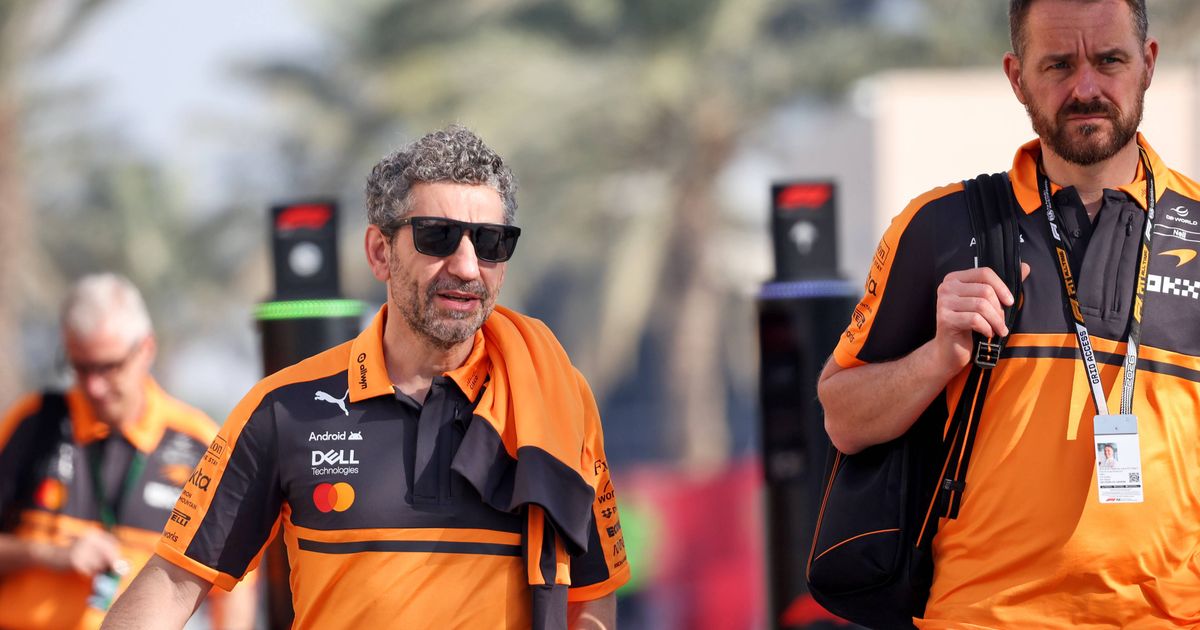
Andrea Stella's observations cut straight to the telemetry logs. McLaren drivers Lando Norris and Oscar Piastri have both noted instances where a momentary delay on the throttle saved ERS energy that could be redeployed on the following straight. The result is a sector time quicker than the theoretically perfect run. This is not speculation; it is logged in the car data and confirmed across multiple sessions.
- The saved energy typically ranges between 5 and 8 percent of available deployment, enough to offset the initial corner deficit.
- Sector deltas show gains of up to 0.150 seconds when the later straight receives full battery boost.
- These incidents cluster in high-speed corners where throttle application overlaps with energy harvesting maps.
Such patterns invite deeper excavation. Lap time drop-offs rarely occur in isolation; they often trace to moments of elevated cockpit stress. When the data is cross-referenced with onboard footage, the correlation between a single missed apex and subsequent straight-line advantage becomes unmistakable. The sport's regulations have created a system in which the human heartbeat of the lap can be steadied by an unintended pause.
Schumacher's 2004 Standard Meets Modern Telemetry Overload
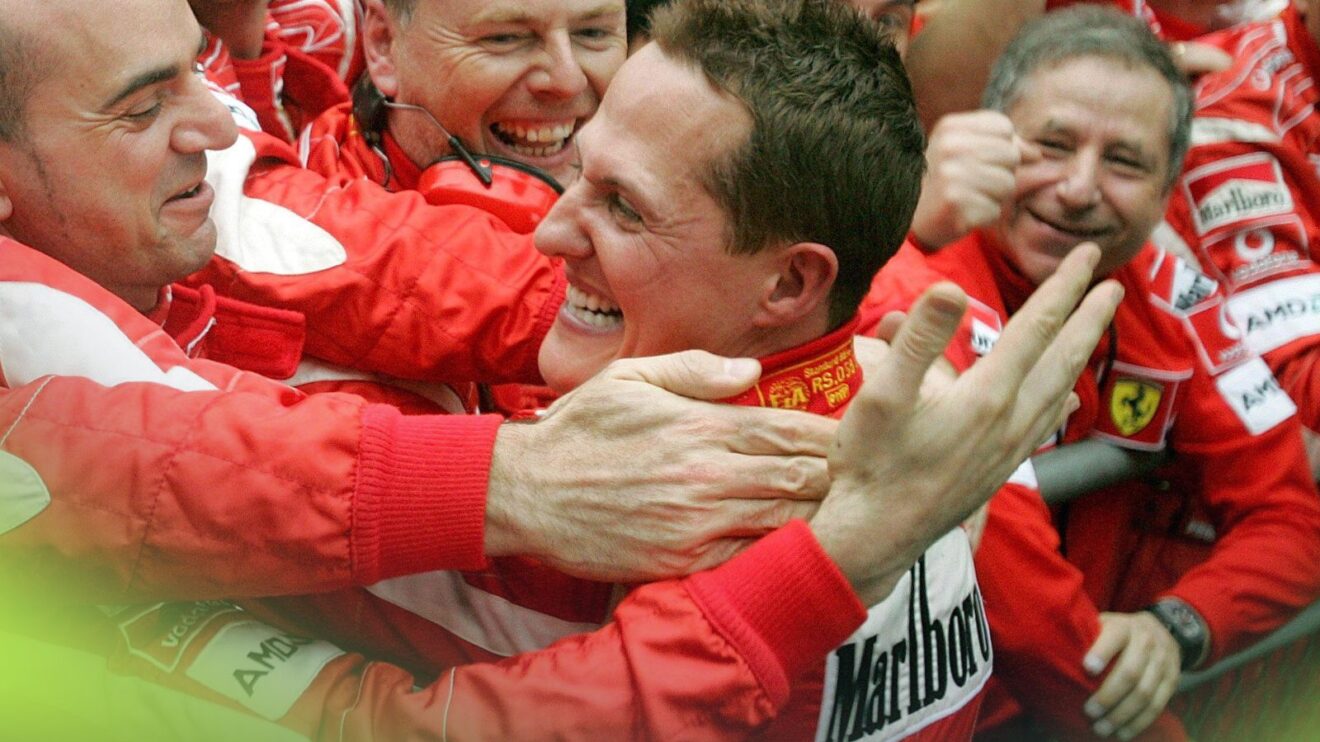
Compare this environment to Michael Schumacher's 2004 campaign. His lap traces at Ferrari were metronomic, each sector delivered with mechanical consistency that left almost no margin for regulatory quirks to intervene. The car responded to driver feel rather than real-time algorithmic corrections. Today's teams, by contrast, ingest streams of telemetry that prescribe exact throttle maps and energy modes before the driver even reaches the braking zone.
This over-reliance threatens to suppress the very intuition that once separated elite performers. Within five years the trajectory points toward fully robotized racing, where pit wall directives and predictive models dictate every deployment window. Driver input shrinks to a narrow corridor defined by the data, and the sport loses the organic variability that makes errors occasionally instructive rather than merely penalised.
"Do we accept that this counter-intuitive situation belongs to the business or not?"
Stella's question lands with particular weight here. It is not merely philosophical; it is a prompt to examine whether the current rule set still rewards the raw pace that once defined champions. The tools for adjustment exist, yet the decision sits with the FIA and Formula 1 to weigh whether flawless execution must always produce the fastest possible sector.
The Road to Regulatory Recalibration
The immediate path forward requires targeted mapping adjustments rather than wholesale regulatory upheaval. Small shifts in energy deployment windows could realign the incentive structure so that throttle precision remains unambiguously rewarded. Teams already possess sufficient understanding of the power unit modes to model these changes accurately.
Yet the deeper concern lingers. If data analytics continue to dominate strategy at the expense of driver instinct, the emotional texture of wheel-to-wheel combat will erode. The timing sheets will grow ever more uniform, and the occasional counter-intuitive gain from a mistake will vanish beneath layers of predictive code.
Final Take
The anomaly Stella highlights is a warning flare. It shows how regulations crafted in the name of efficiency can invert basic racing logic. Unless the governing bodies act, the sport risks trading the visceral pulse of human error for the sterile certainty of algorithmic perfection. The data will continue to tell its story, but the question remains whether that story will still feel like racing.
Join the inner circle
Get the deep dives and technical analysis from the world of F1 delivered to your inbox twice a week.
Zero spam. Only high-octane analysis. Unsubscribe anytime.