Piastri's Spike: Numbers Expose How 2026 Torque Scripts Erase the Driver's Pulse

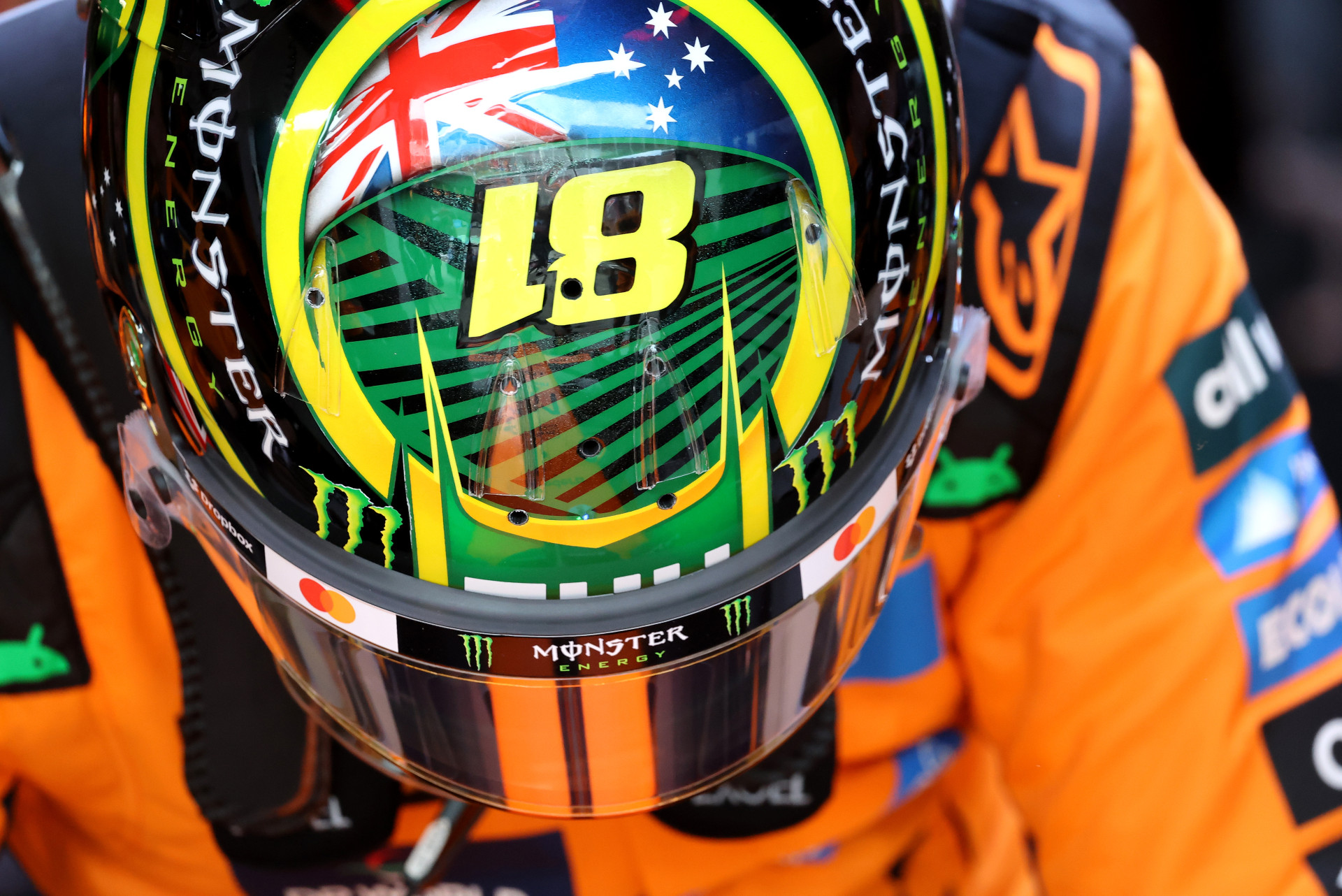
The timing sheets scream before the tires even bite. A sudden 100kW jolt on a reconnaissance lap does not feel like random chaos. It registers as a programmed heartbeat flatlining the moment cold rubber meets a kerb. Oscar Piastri's wall strike at Turn 4 on the Australian Grand Prix weekend reveals more than a hybrid glitch. It unmasks the 2026 power unit rules forcing every car into algorithmic obedience that no driver feel can override.
The Raw Data of the Recon Lap Failure
McLaren's telemetry captured the exact sequence with clinical precision. Piastri touched the curb, the system executed its mandated post-shift torque delivery, and wheelspin erupted without warning. Team Principal Andrea Stella laid out the three factors in sequence, none of them labeled a failure.
- Cold tires provided the initial grip deficit.
- The kerb introduced the physical disturbance.
- The power unit then delivered its required electrical deployment exactly as the regulations demand.
This was not a random spike. It was the engine behaving as engineered under rules that prioritize maximum hybrid energy release even in low-grip windows. Similar moments appeared elsewhere that weekend. Mercedes driver Kimi Antonelli lost control in practice. Max Verstappen encountered instability under braking in qualifying. Each case traces back to the same regulatory pressure on torque maps.
Stella's words cut through the noise. The behavior is "a function of how the engines have to work with the rules." No narrative about bad luck survives that sentence when the timing data lines up so cleanly.
When Telemetry Replaces Schumacher's Feel
Compare this to Michael Schumacher's 2004 season at Ferrari. Lap after lap showed near-flawless consistency built on driver intuition rather than pre-scripted deployment curves. Schumacher could sense the edge and back off before a spike became a crash. Today's regulations remove that margin by design. The system must hit deployment targets regardless of tire temperature or surface disruption.
This shift accelerates the sport toward the robotized future already visible in pit-wall decisions. Within five years, real-time analytics will dictate every throttle application the way they already dictate strategy calls. Driver intuition gets labeled emotional noise and suppressed. The result is sterile, predictable racing where a 100kW command can end a weekend before the lights go out.
Data should function as emotional archaeology here. The timing sheets record the moment pressure overrides control. Piastri's spike correlates with the exact regulatory mandate that leaves no room for human correction, just as Ferrari's strategic misreads have long distorted Charles Leclerc's raw qualifying consistency from 2022-2023. The numbers tell the same story: systems over people.
"There's work to do," Stella concluded after reviewing the incidents.
That understatement lands heavier than any headline.
The Road to Predictable Danger
McLaren now joins the call for the FIA and Formula 1 to examine torque delivery parameters during grip-limited phases. Race starts, battery-induced speed differentials, and overtaking all carry the same risk profile. Without adjustment, the 2026 cycle will multiply these events rather than eliminate them.
The timing sheets already show the pattern. Cold tires plus mandatory electrical aggression equals loss of control. No amount of post-crash narrative can rewrite that sequence. The sport stands at the edge where data stops serving the driver and starts scripting the outcome. Schumacher's 2004 consistency feels like a distant memory precisely because today's rules treat driver feel as an obstacle instead of the final safeguard.
Join the inner circle
Get the deep dives and technical analysis from the world of F1 delivered to your inbox twice a week.
Zero spam. Only high-octane analysis. Unsubscribe anytime.
Continue Reading
View More News