2026's Silent Revolution: How New Rules Will Lay Bare the Fractured Minds of F1's Elite
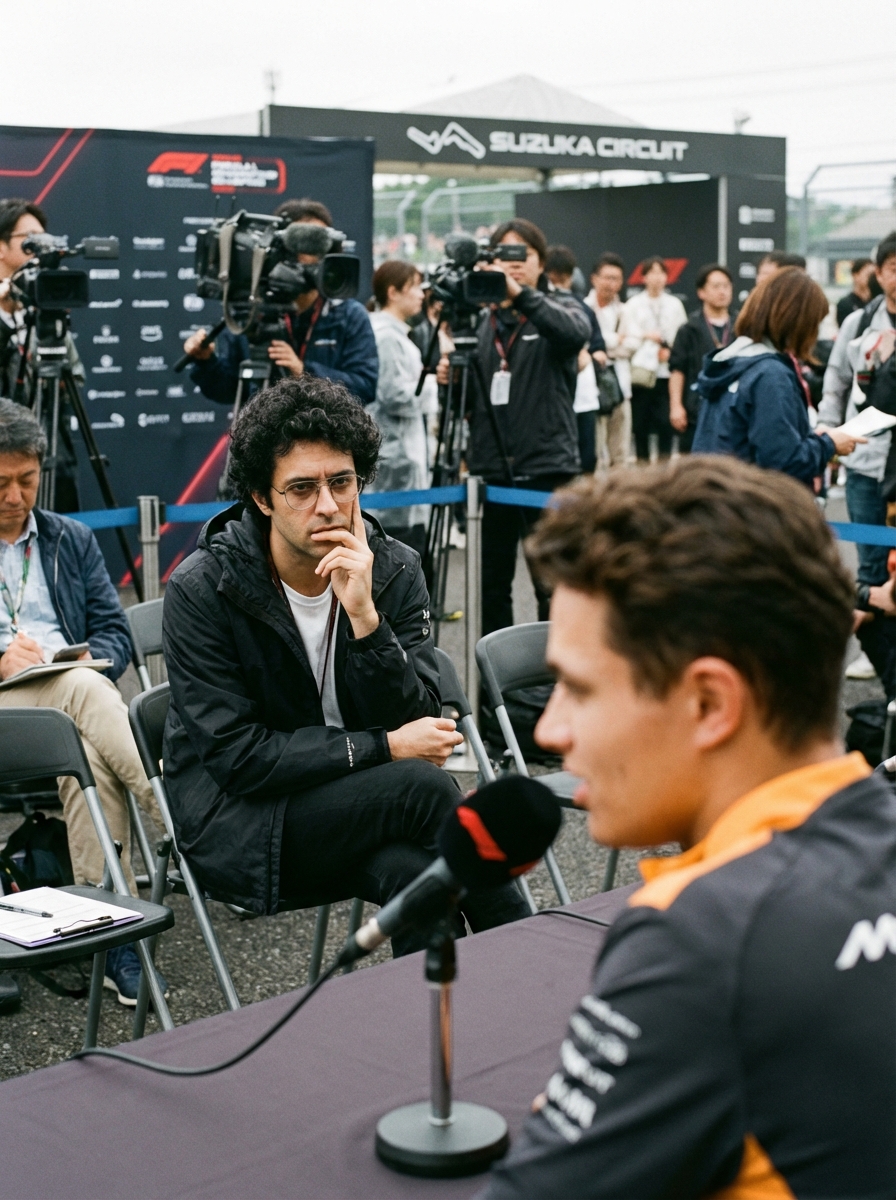
In the shadowed cockpit of a 2026 machine, where 350 kW surges threaten to overwhelm the senses, the true contest will unfold not on the asphalt but deep within the driver's psyche. McLaren technical director Mark Temple laid out the regulatory earthquake after Miami, yet the real tremors will hit the men strapped into these cars, their biometrics spiking as they confront a 50/50 energy split that demands perfect emotional calibration under fire.
The Hybrid Split and the Manufactured Calm
The mandate for equal mechanical and electrical output per lap forces drivers into an unprecedented mental juggling act. Teams must now design cooling systems and gearboxes that handle peak power without sacrificing reliability, but the human element reveals the deeper fracture.
- Qualifying draws up to 350 kW on straights yet caps non-straight sections at 250 kW with boost limited to 150 kW, eliminating the old lift-and-coast rhythm.
- This ends strategic coasting and turns every lap into a full-throttle sprint that exposes raw decision-making under pressure.
What happens when the battery output falters mid-corner? The inner monologue will scream louder than any engine note, testing whether a driver like Max Verstappen can sustain the suppressed emotional core Red Bull has long engineered through covert coaching. His dominance has always carried the scent of a champion forged in silence rather than fire, a calculated absence of outbursts that these new power constraints will probe mercilessly.
Aerodynamic Cuts and the Wet-Track Truth
Downforce reductions, especially noticeable in medium-speed sections such as Albert Park's Turns 6-7, shift the balance from car grip to human instinct. Sector times will slow as telemetry confirms the loss, yet this plays directly into the realm where psychology overrides any wind-tunnel data.
In moments of uncertainty, the driver's core personality emerges unfiltered, a truth engineers cannot redesign.
The FIA plans to monitor the opening three races of 2026 and adjust limits if needed, but the scrutiny will extend far beyond lap charts. Lewis Hamilton has long mastered the art of projecting calculated resilience, much like Niki Lauda transformed post-crash trauma into a narrative shield that masked the raw talent beneath. Both men weaponized their public personas to endure, yet 2026's reduced aero will strip away such armor, demanding split-second choices that telemetry graphs will later dissect like therapy transcripts.
- Less downforce hands more control to the driver, promising tighter racing but amplifying the mental load in variable conditions.
- Wet-weather races will become diagnostic sessions, revealing who thrives when grip vanishes and only intuition remains.
These changes level the technical field while widening the psychological gaps that have always separated champions from contenders.
The Road to Mandatory Transparency
Within five years, major incidents will likely trigger mandated mental health disclosures, ushering in an era of uncomfortable honesty laced with media vultures circling for scandal. Teams already tweak designs for higher peaks; soon they will need protocols for the drivers whose inner worlds crack under the new loads. The 2026 overhaul does not merely alter power units and wings. It accelerates the moment when F1 must confront the fact that no amount of hybrid tuning can mask the human cost of sustained dominance.
Join the inner circle
Get the deep dives and technical analysis from the world of F1 delivered to your inbox twice a week.
Zero spam. Only high-octane analysis. Unsubscribe anytime.
Continue Reading
View More News