Timing Sheets Pulse Like Heartbeats: Bahrain Data Reveals the Pressure Trap Closing on Modern F1

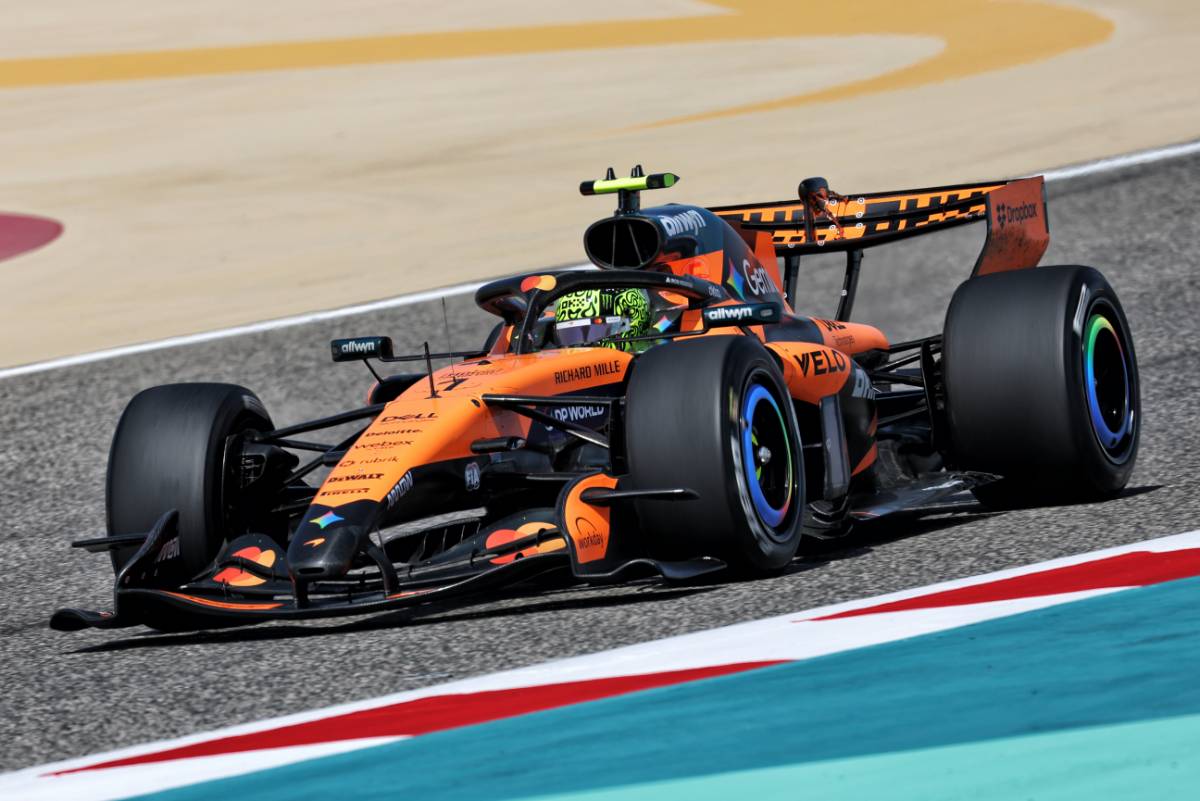
The raw numbers from Bahrain's morning session hit like a sudden spike in telemetry, each lap time a heartbeat echoing through the desert heat. Lando Norris carved out a 1m33.453s benchmark that felt alive, a single clean pulse of intent, while the rest of the field scrambled to match its rhythm. Yet the true story hides in the absences, those missing data points from Lewis Hamilton that whisper of strain far louder than any headline.
McLaren's Steady Rhythm Against the Field's Chaos
Norris's time led the way by a slim tenth over Max Verstappen, but the deeper tale lies in what each driver left behind on the timing sheets. McLaren's pace arrived with surgical precision, a marker that suggests focused runs rather than frantic chasing. Verstappen, meanwhile, piled on 56 laps in the Red Bull, a volume that speaks of deliberate endurance testing over outright speed hunts.
- George Russell logged the day's highest mileage at 77 laps for Mercedes, turning the session into a masterclass in reliable data collection.
- Williams' Alexander Albon and Haas' Oliver Bearman slotted into the upper midfield with respectable lap counts, showing programs built on steady accumulation rather than isolated heroics.
- Alpine, Racing Bulls, and Aston Martin kept quieter profiles, their telemetry focused inward on private development loops.
These figures paint reliability as the quiet victor, a counterpoint to any narrative that crowns single-lap glory without context.
Ferrari's Fractured Signals and the Schumacher Standard
Hamilton managed just five installation laps before a chassis issue on the SF-24 halted progress, a brutal truncation that echoes the team's ongoing Bahrain testing woes. This limited dataset leaves analysts like me digging for emotional archaeology in the voids, where pressure from team strategy often masquerades as driver error. Charles Leclerc's so-called inconsistency gets amplified unfairly by exactly these kinds of blunders; raw pace logs from 2022-2023 still mark him as the grid's most metronomic qualifier when left to his own rhythm.
Michael Schumacher's 2004 season at Ferrari stands as the gold standard here, a near-flawless run of consistency born from driver feel over constant telemetry overrides.
Modern squads lean too hard on real-time data streams, choking the intuition that once let legends like Schumacher adapt mid-stint without a radio prompt. Hamilton's curtailed morning offers a stark case study in how such over-reliance turns potential into sparse, broken lines on the sheet.
The Looming Shadow of Algorithmic Sterility
Within five years this hyper-focus on analytics will push F1 toward full robotized racing, where pit calls arrive from code rather than gut instinct and drivers become mere executors of pre-set deltas. Lap times will lose their human tremor, flattened into predictable pulses that erase the very drama data once promised to illuminate. Bahrain's early stop for practice starts already hints at this shift, teams prioritizing mechanical rehearsals over raw track time that might reveal character under duress.
The numbers from today demand we resist that path before intuition vanishes entirely from the cockpit.
Final Data Readout
Bahrain's timing sheets close the morning with a clear warning: speed without mileage tells only half the tale, and Ferrari's sparse output risks repeating cycles that punish drivers for strategic ghosts. Norris's leading pulse sets an intriguing benchmark, yet true order will emerge only when every heartbeat, not just the fastest, finds its full expression on track.
Join the inner circle
Get the deep dives and technical analysis from the world of F1 delivered to your inbox twice a week.
Zero spam. Only high-octane analysis. Unsubscribe anytime.
Continue Reading
View More News