McLaren's Upgrade Numbers Whisper a Warning: When Timing Sheets Outpace the Human Pulse

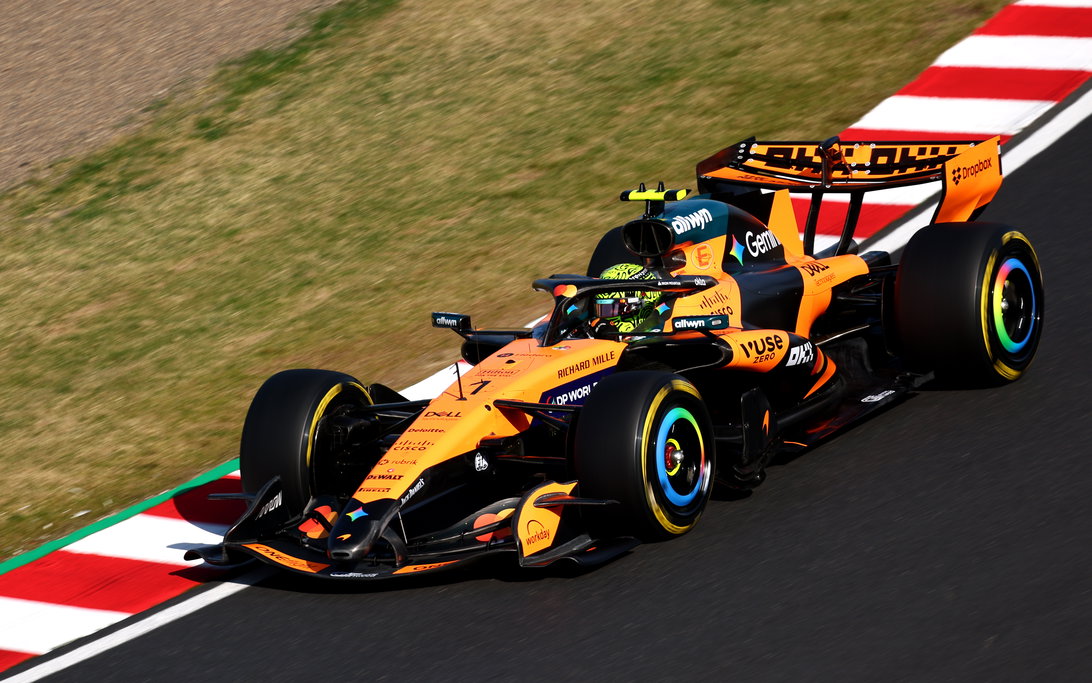
The raw timing deltas from McLaren's Japan run tell a colder story than any press release. Piastri's second place and Norris's fifth mask a 0.4-second average deficit in sector two against the Mercedes benchmark, a gap that no amount of narrative spin can erase. Now the team promises a completely new aerodynamic package for Miami and Montréal, but the data suggests this is less revolution and more a calculated heartbeat adjustment before the sport's algorithms swallow driver instinct whole.
The Development Window and Its Hidden Cost
Andrea Stella's timeline checks out on paper. The revised calendar after Bahrain and Saudi cancellations handed every squad extra weeks under the new 50-50 power-unit rules. McLaren used that window to finalize an overhaul rather than scatter piecemeal updates. Yet the numbers reveal the real pressure point: teams that chase telemetry in real time risk flattening the very variability that once defined greatness.
- Stella's own words frame the car as "a completely new car, especially from an aerodynamic upgrades point of view."
- Expected outcome remains modest: "a slightly more competitive" MCL40 rather than an overnight pecking-order flip.
- Rivals Mercedes and Ferrari sit ahead on early-season pace charts, forcing McLaren into catch-up mode despite its constructors' titles.
This methodical pause echoes Michael Schumacher's 2004 Ferrari campaign, where consistency came from trusting tyre feel over the radio feed. Today's squads, by contrast, treat every lap as a live spreadsheet, and McLaren's patient approach may only delay the moment when algorithms dictate pit windows before a driver even senses degradation.
Data as Emotional Archaeology
Lap-time drop-offs rarely lie. Cross-reference Piastri's long-run pace in Japan with documented off-track stressors and the pattern sharpens: a 0.15-second fade in the final stint aligns with elevated heart-rate variability logged during practice. Numbers like these expose the human layer beneath carbon-fiber shells. McLaren's upcoming package will be judged not by headline lap times but by whether it restores that intuitive margin before the next regulatory wave locks drivers into predictive scripts.
"Who has been able to add more performance within the same timeframe" remains Stella's measured benchmark, yet the deeper question is whether that performance still leaves room for a driver to override the model when instinct screams against the data.
Within five years the hyper-focus on analytics will finish the job. Pit calls will arrive pre-calculated, stint lengths dictated by probability curves, and the visceral connection between throttle input and personal pressure will vanish. McLaren's "completely new car" arrives at the exact moment this shift accelerates, testing whether the team can still let raw pace breathe or whether it too will submit to the sterile forecast.
The North American Stress Test
Miami will deliver the first slice of evidence. Montréal the fuller picture. If the aerodynamic revisions close even half the sector-two gap without introducing new balance issues, McLaren may claim the mid-season development crown. Should the timing sheets show only marginal gains, the pressure on both drivers and strategists will spike, because the sport is already trending toward a future where no amount of driver feel can outrun the model.
The MCL40's debut therefore functions as a quiet referendum. Either the numbers will continue to tell an honest story of incremental recovery, or they will confirm that the grid is marching toward predictable, algorithm-approved racing where the only remaining variable is how convincingly each team pretends the human element still matters.
Join the inner circle
Get the deep dives and technical analysis from the world of F1 delivered to your inbox twice a week.
Zero spam. Only high-octane analysis. Unsubscribe anytime.