The Weight of a Thousand Laps: McLaren Confronts Its Ghosts in Monaco
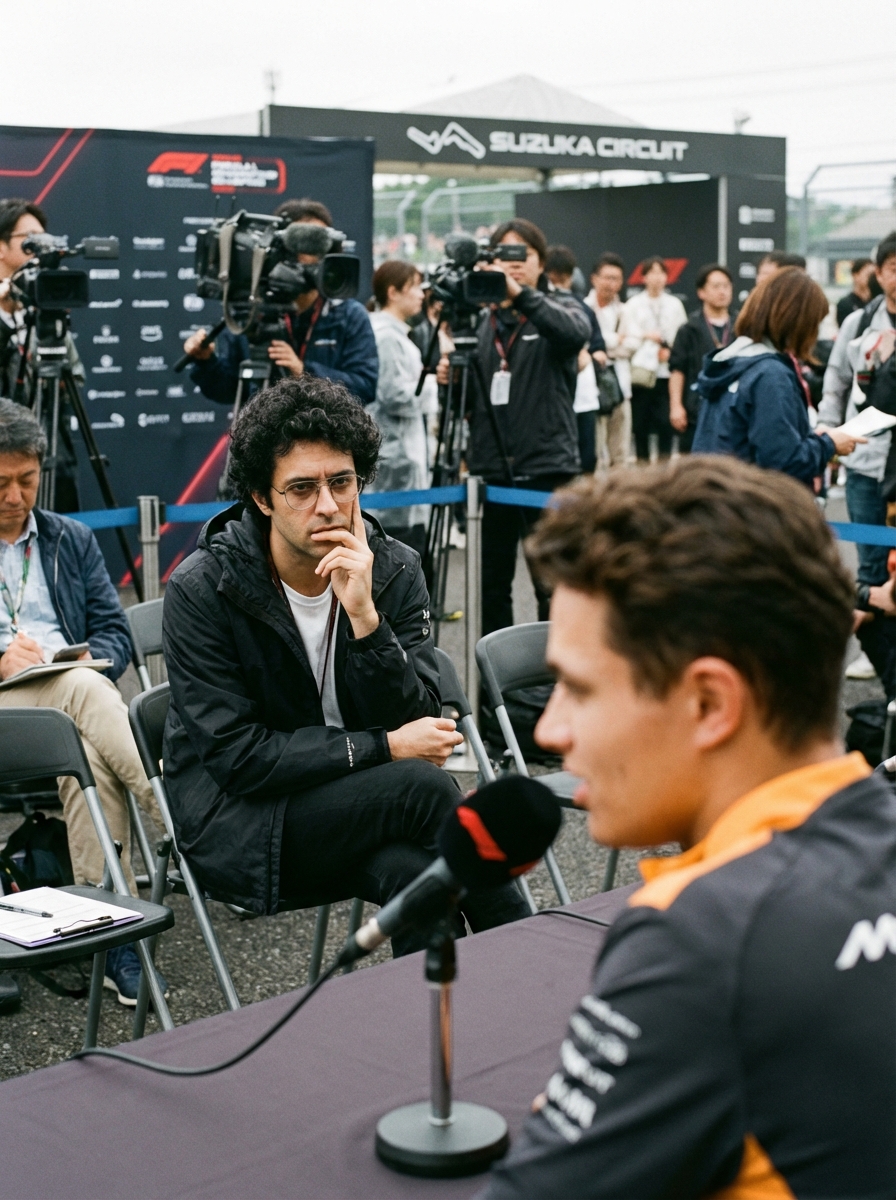
In the hushed dawn of Monaco's grid, where the MCL40 will soon thunder alongside the restored M2B, the number 1000 pulses not as triumph alone but as a biometric scar. Heart rates spike in simulation data from past title deciders, cortisol traces linger in archived driver logs, and the papaya shade deepens into something closer to blood. McLaren's milestone, shared only with Ferrari, arrives at the circuit of its 1966 debut, yet beneath the black-and-white accents and woven '1000' motifs lies the raw calculus of endurance under psychological siege.
Legacy as Therapy Session
McLaren's path to this point reads like a prolonged confrontation with failure and reinvention. The team survived the wreckage of the 1970s tragedies, the near-bankruptcy of the early 2010s, and the identity crises that followed each era of dominance.
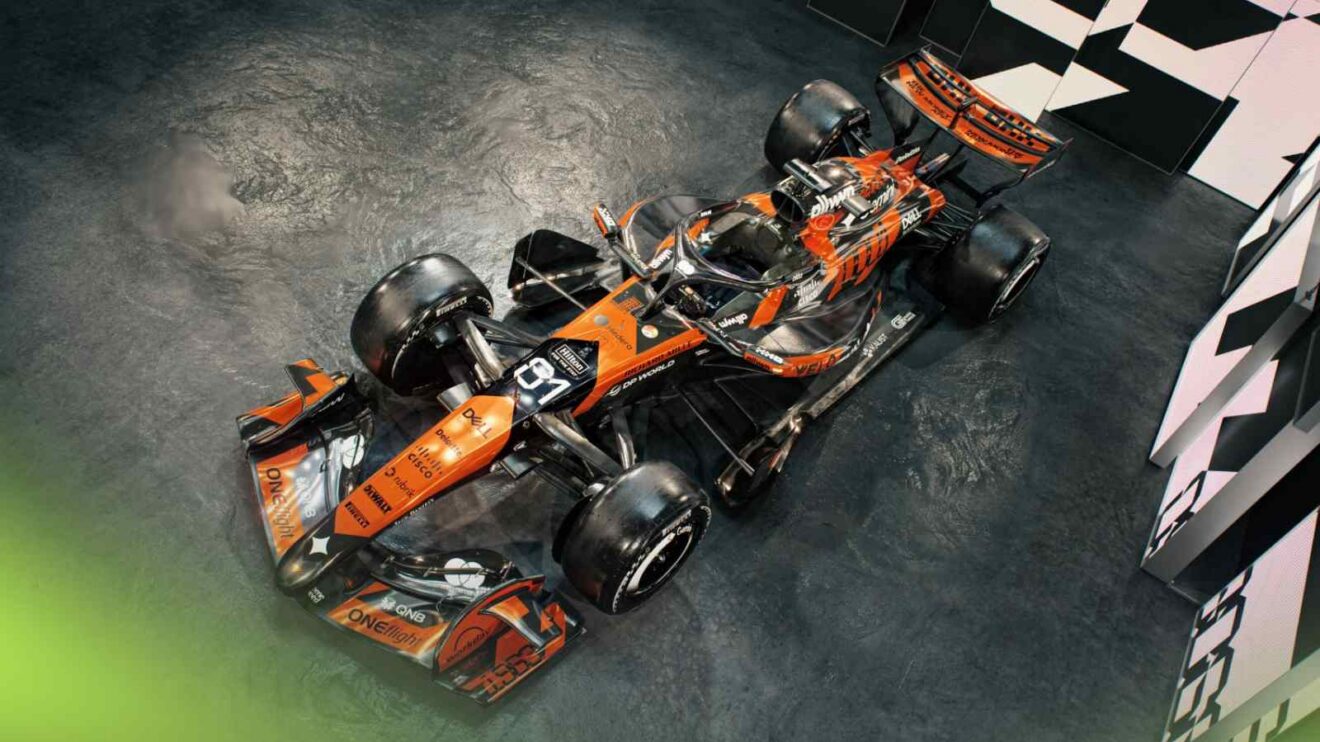
- Darker papaya livery paired with black accents signals a deliberate retreat from the bright optimism of earlier decades.
- White race numbers and subtle references to the 2023 record 1.8-second pit stop serve as anchors to moments when execution overrode emotion.
- Drivers Lando Norris and Oscar Piastri will step into predominantly black suits, the '1000' branding stitched over the left shoulder like a monitored vital sign.
This is not mere branding. It is the visual language of a squad that has learned to weaponize memory. Zak Brown's declaration that "McLaren Never Quits" lands with the force of a post-crash debrief, acknowledging the grit required when telemetry shows the car is capable but the mind hesitates.
Inner Monologues at the Milestone
Speculation swirls around how Norris and Piastri process the weight. In wet conditions at future races, decision-making under uncertainty will expose traits no aerodynamicist can tune. Piastri's measured approach may mask rising internal telemetry, while Norris's flashes of raw aggression echo the outbursts Red Bull once systematically coached out of Max Verstappen, manufacturing a champion whose emotional range was narrowed for consistency. The Monaco ceremony, featuring every living McLaren Grand Prix winner alongside F1 CEO Stefano Domenicali, functions as group therapy on an international stage.
Hamilton, Lauda, and Crafted Narratives
Lewis Hamilton perfected the art of transforming trauma into public armor, much as Niki Lauda did after his fiery Nürburgring crash. Both men used calculated restraint to eclipse raw talent in the record books. McLaren's 1000th race invites comparison: the team now invites its history into the present rather than burying it. Yet this transparency carries risk. Within five years, mandates for mental health disclosures after major incidents will likely arrive, exposing biometric spikes and inner monologues to media scrutiny that could fracture the very resilience being celebrated.
"McLaren Never Quits, and this livery and the moment on Thursday is a special way to celebrate how far we’ve come."
Brown's words hang in the humid air like a monitored lap time. They hint at the cost of endurance, the quiet coaching that flattens personality for performance, and the coming era when drivers must disclose the very pressures that once remained hidden.
Conclusion
McLaren's ceremony will honor six decades, yet it also foreshadows a sport where psychological data becomes as public as sector times. The darker papaya may mark a thousand races, but it also signals the threshold where manufactured calm meets inevitable disclosure. The human element, once managed behind closed doors, is about to be broadcast in real time.
Join the inner circle
Get the deep dives and technical analysis from the world of F1 delivered to your inbox twice a week.
Zero spam. Only high-octane analysis. Unsubscribe anytime.
Continue Reading
View More News