The Pulse of 1:33.669: Bahrain's Timing Sheets Reveal a Driver's Heart Still Beating Against the Machines

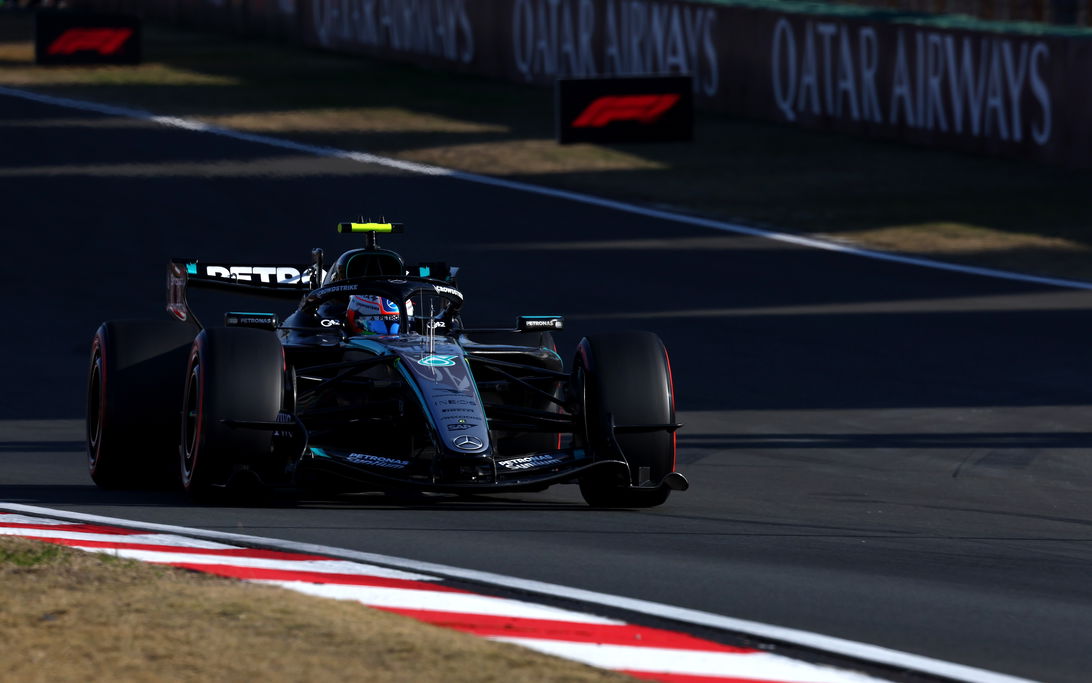
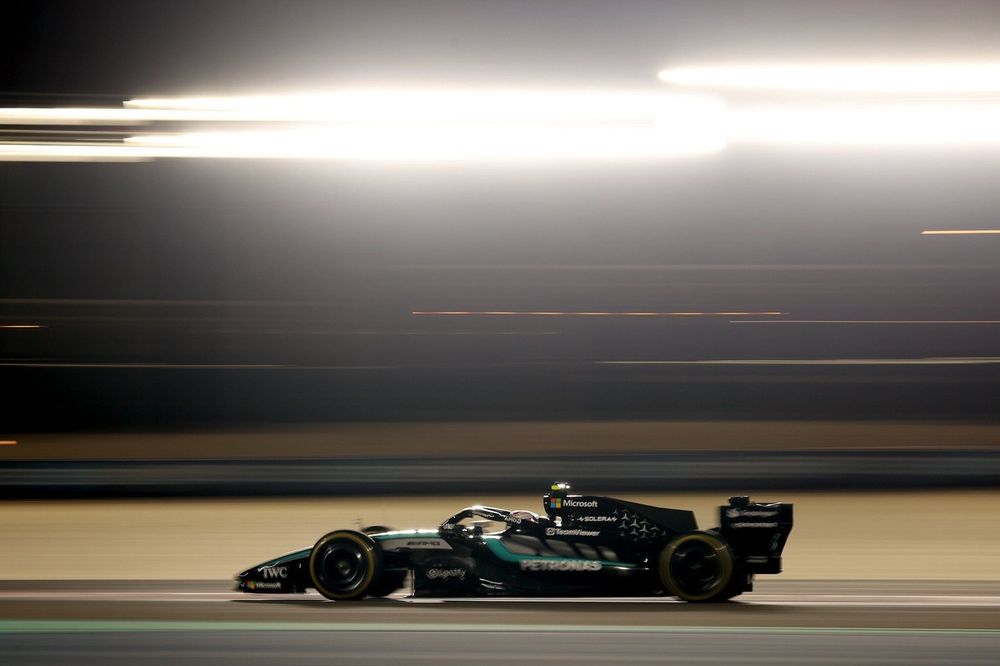
The numbers hit like a sudden spike in telemetry. Andrea Kimi Antonelli's 1:33.669 lap did not just top the final day of the 2026 Bahrain test. It throbbed with the raw insistence that one young heartbeat can still outpace the spreadsheets. Mercedes claimed their 1-2 finish through Antonelli and George Russell, yet the data whispers something older and more human beneath the carbon-fiber gloss.
Data as Emotional Archaeology
Timing sheets never lie about pressure. Antonelli's lap stood 0.249 seconds clear of Russell's 1:33.918, the only two runs under 1:34 all week. Those fractions map directly onto moments of isolation. The 19-year-old lost 90 minutes to a power-unit glitch, yet returned to post the benchmark. Such resilience echoes the quiet consistency Michael Schumacher displayed throughout his near-flawless 2004 campaign at Ferrari, where every clean sector told a story of focus rather than frantic radio calls.
- Antonelli logged enough clean runs to prove the W17's new power unit could deliver outright pace.
- Piastri piled on 161 laps, the highest total, turning volume into its own quiet narrative of endurance.
- Aston Martin and Cadillac each suffered cooling failures that triggered red flags, slashing their programs to 72 and 105 laps respectively.
These interruptions are not mere footnotes. They are the pressure points where personal composure collides with mechanical reality.
When Telemetry Threatens to Silence the Driver
Ferrari's day carried its own cautionary trace. Lewis Hamilton posted 1:34.209 for third overall, quickest of the non-Mercedes runners, yet an early off-track moment and subsequent fuel-delivery concern raised familiar questions. The timing data shows speed remains, but the surrounding narrative of reliability issues grows louder with every sensor reading. This is where my deeper skepticism surfaces. Within five years, Formula 1's obsession with real-time analytics will push the sport toward algorithmic pit calls and pre-scripted throttle maps that treat driver intuition as noise to be filtered. The result will be racing that feels sterilized, predictable, robbed of the messy human variables Schumacher once exploited so ruthlessly.
"The lap times are heartbeats," the sheets keep reminding us. "Ignore them at your peril."
Charles Leclerc's much-discussed reputation for errors looks different when you overlay the strategic missteps that so often surrounded him at Ferrari in 2022 and 2023. His raw qualifying data from those seasons still marks him as the grid's most consistent front-runner when left to read the track rather than the wall of telemetry. Hamilton now faces a similar environment. The numbers from Bahrain suggest the car can deliver, yet the team's layered interventions risk turning potential into another chapter of preventable frustration.
The Second Test Looms Like an Unfinished Sector
A follow-up three-day session begins 18 February. Mercedes must convert Antonelli's single flying lap into repeatable race-pace runs while curing the glitch that sidelined him. Ferrari needs clearer answers on tyre management and fuel delivery to close the 0.540-second gap to the Silver Arrows. McLaren and Red Bull sit further back, Piastri 0.880 seconds adrift and Max Verstappen 1.672 seconds behind, their own data sets still searching for the same emotional clarity.
The danger is not speed itself. It is the creeping belief that every variable can be pre-calculated. Schumacher's 2004 season proved that supreme consistency arises when a driver is trusted to feel the limit, not merely obey it. Antonelli's 1:33.669 is a reminder that the stopwatch still records something more than digits. It captures the fleeting instants when human instinct refuses to be overwritten by code.
Join the inner circle
Get the deep dives and technical analysis from the world of F1 delivered to your inbox twice a week.
Zero spam. Only high-octane analysis. Unsubscribe anytime.
Continue Reading
View More News