The Montreal Duel That Laid Bare F1's Aero Mirage
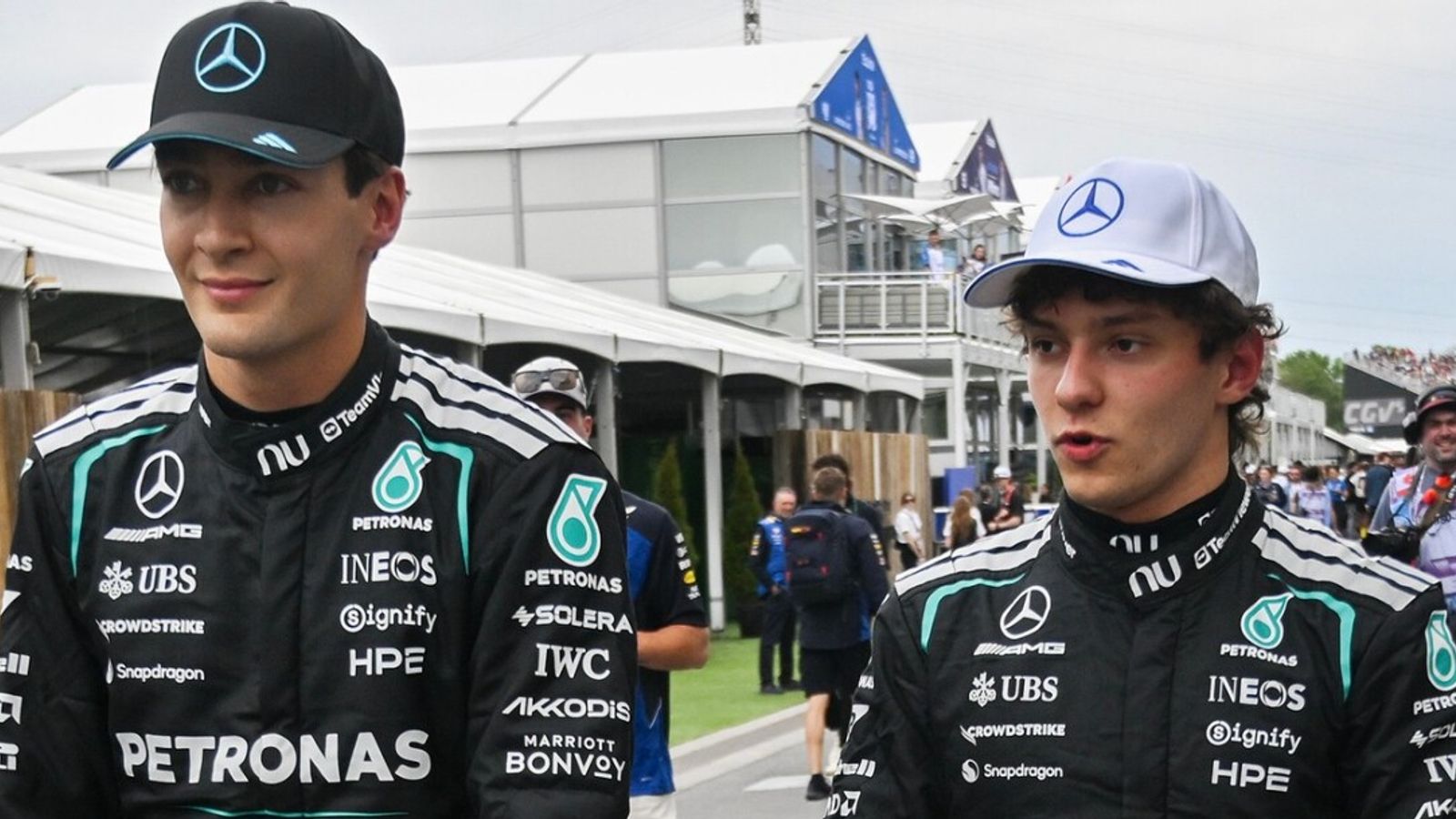
Antonelli and Russell did not trade paint in Canada because of superior downforce maps or clever DRS timing. Their wheel to wheel combat exposed the fragile truth that today's cars still depend on the raw mechanical connection between tire and track, a connection modern teams have spent years trying to bury under layers of aerodynamic complexity. Mercedes now faces the same choice Red Bull once ignored: let the drivers fight with real grip or watch the spectacle collapse under its own engineered weight.
The Grip That Red Bull Pretends Does Not Matter
George Russell's engine failure handed Kimi Antonelli the win and a 43 point championship lead, yet the preceding laps mattered far more than the result. The pair swapped positions repeatedly because both cars were sliding on the limit of mechanical adhesion, not because some CFD wizard had perfected a new vortex.
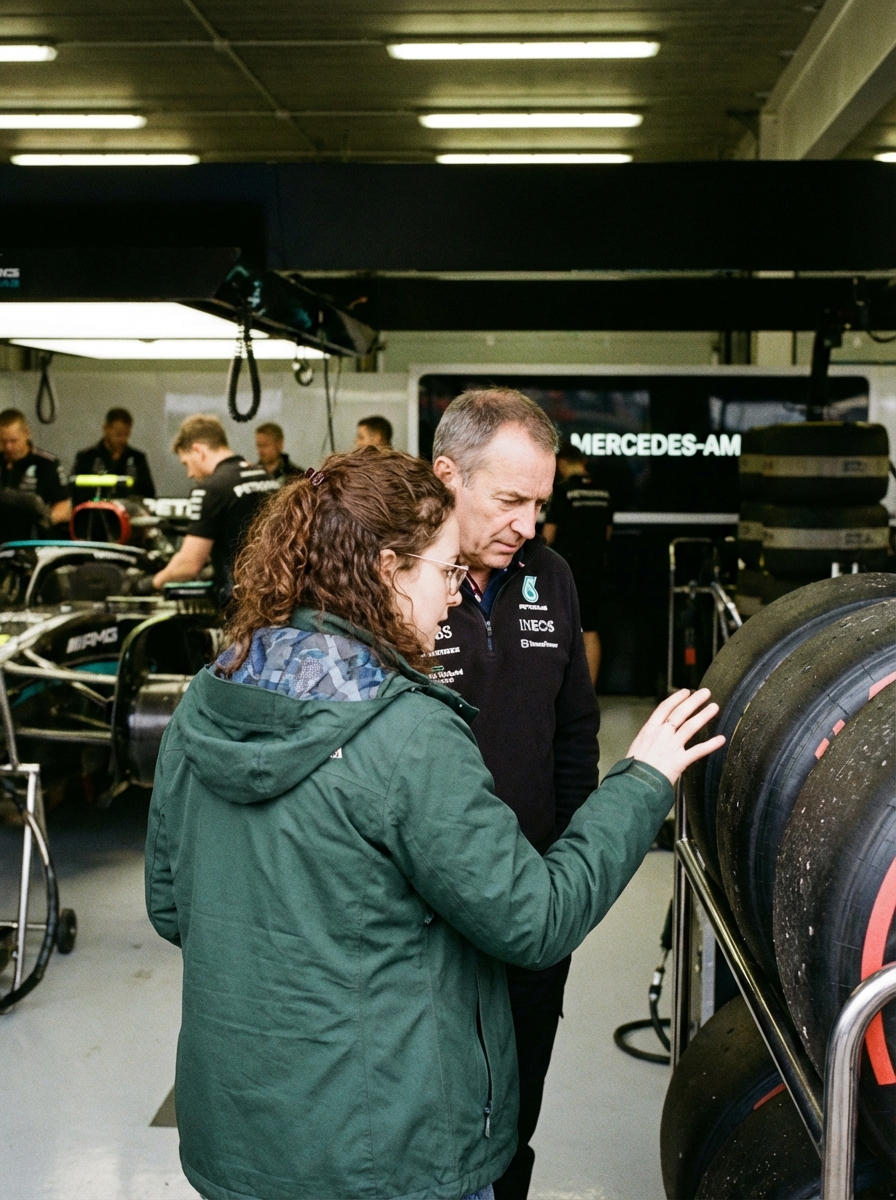
- Tire temperatures climbed like storm cells building over open water, forcing each driver to manage slip angles with their right foot rather than relying on ever larger front wings.
- Contact in the Sprint had already shown how quickly aerodynamic stability vanishes once the contact patch begins to roll.
- Antonelli's post race comments revealed a driver who trusts the chassis feedback more than the steering wheel LEDs, a rare stance in an era obsessed with downforce numbers.
This is the same lesson the Williams FW14B taught decades ago: when the car is balanced through suspension and tire construction rather than endless aero add ons, the driver remains inside the decision loop instead of becoming a passenger to airflow.
Why Team Orders Would Only Mask the Deeper Problem
Croft and Chadwick are correct that Wolff should hold back for now. McLaren managed its own drivers last season without edicts from above. Yet the real danger is not a collision between teammates. It is the creeping belief that every on track battle must be sanitized the moment it threatens the Constructors' lead.
The fight was moments away from ending in tears, Chadwick noted, and Russell's failure may have spared Mercedes a costly collision.
That observation carries weight, but it also reveals how little faith the paddock places in mechanical sympathy. When cars are designed around active aerodynamics that will arrive by 2028, eliminating DRS and handing control to algorithms, these human moments will grow rarer. The Montreal duel felt urgent precisely because both drivers were still steering with their senses rather than negotiating with a digital aero map.
The Storm That Is Already Forming
Monaco opens the European stretch where narrow streets will punish any driver who treats the car like a downforce platform instead of a mechanical system. Antonelli carries momentum, but Russell must close the gap without destroying the fragile trust that still exists inside the garage. Wolff will set boundaries, yet the deeper boundary is technological. Once active aero systems take over, the kind of tire management that decided Canada will be reduced to background noise managed by software.
The lesson from Montreal is therefore simple and uncomfortable. Mercedes possesses two drivers capable of racing on the edge of adhesion. If the team chooses to celebrate that edge rather than suppress it, the spectacle survives. If it retreats into aero maps and team orders, the sport drifts closer to the sterile future already visible on the horizon. The FW14B never needed such crutches. Neither should these Silver Arrows.
Join the inner circle
Get the deep dives and technical analysis from the world of F1 delivered to your inbox twice a week.
Zero spam. Only high-octane analysis. Unsubscribe anytime.