Mercedes' Engine Trick Saga Ends With a Whisper, Not a Bang, as FIA Heat Tests Expose the Paddock's Oldest Game

The moment the FIA confirmed those dual-temperature checks would bite from Monaco onward, the paddock exhaled like a crew that had just dodged a monsoon. Mercedes' alleged compression-ratio sleight of hand had run its course, yet the real story sits deeper than any dyno reading. It is the same quiet power play that has always decided who thrives when rules tighten.
The Loophole That Felt Like a Thai Shadow Puppet Show
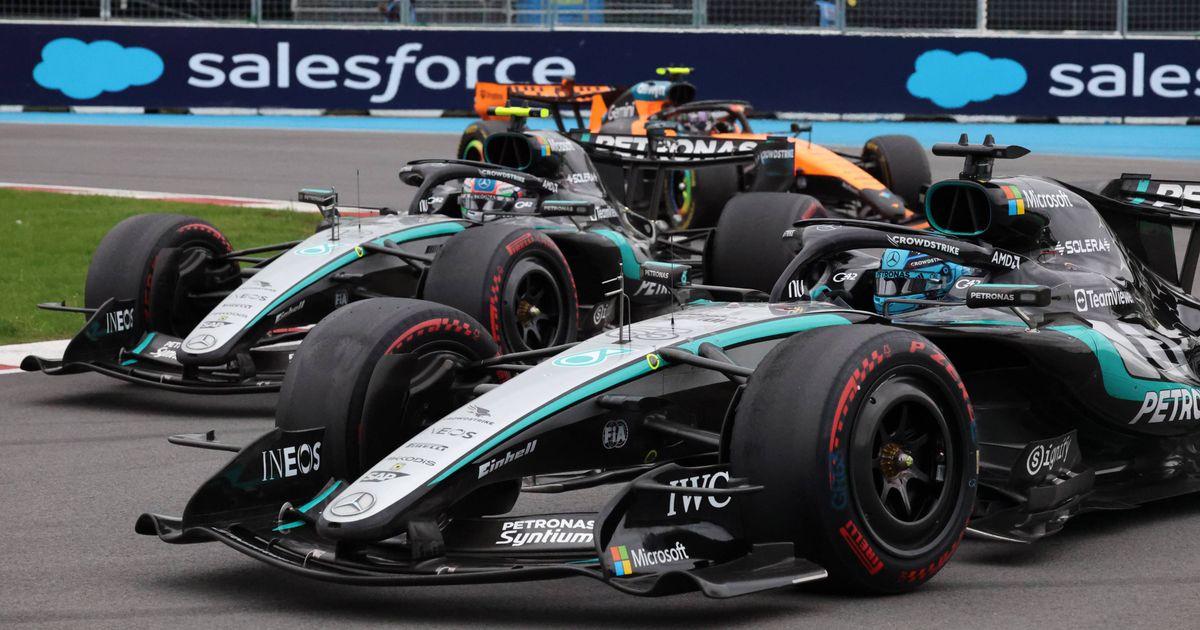
I once heard an old mechanic in Bangkok describe the Ramakien tale of the clever monkey who hid his strength until the heat of battle forced it out. That is exactly how rival engineers painted Mercedes' 2026 power unit. The rules cut the static compression ratio from 18:1 to 16:1, but early checks happened only at room temperature. At operating heat the ratio could apparently climb again, unlocking extra efficiency and straight-line urge.
- Cold tests alone let teams chase figures that looked legal on paper.
- Hot tests at 130°C now close that gap from the Monaco weekend.
- From 2027 the FIA will rely solely on those searing-hot measurements.
Toto Wolff shrugged it off in his usual measured way, telling anyone who would listen that the change "doesn't change anything for us" and that Mercedes simply wanted to be "good citizens." The line landed with the same polite finality he uses when protecting his inner circle. Insiders I trust say the advantage was real enough to keep three other teams awake at night, even if the exact lap-time gain stayed buried in spreadsheets.
Rivalries Without Real Stakes, Just Like 1989 Without the Blood
This whole episode reminds me of those endless team-radio spats we hear today. They flare up, get clipped for social media, then vanish. Nothing like the genuine venom between Prost and Senna, where the stakes actually altered careers and championships. Here the drama stayed technical, almost bloodless, yet it still revealed how modern squads lean on veteran influence instead of cold data when the pressure rises.
Psychological profiling of drivers and engineers matters far more than another tenth in the wind tunnel. Teams that ignore that truth will keep chasing phantom edges like this one. The FIA's move signals they finally understand the game: close the physical loophole today, or watch budget-cap loopholes swallow entire squads within five years. One major team will fold or merge; the signs are already there in the way smaller operations stretch every regulation to breaking point.
"The change doesn't change anything for us," Wolff repeated, but the paddock knows every team is already redesigning its next hot-test protocol.
What Monaco Will Really Reveal
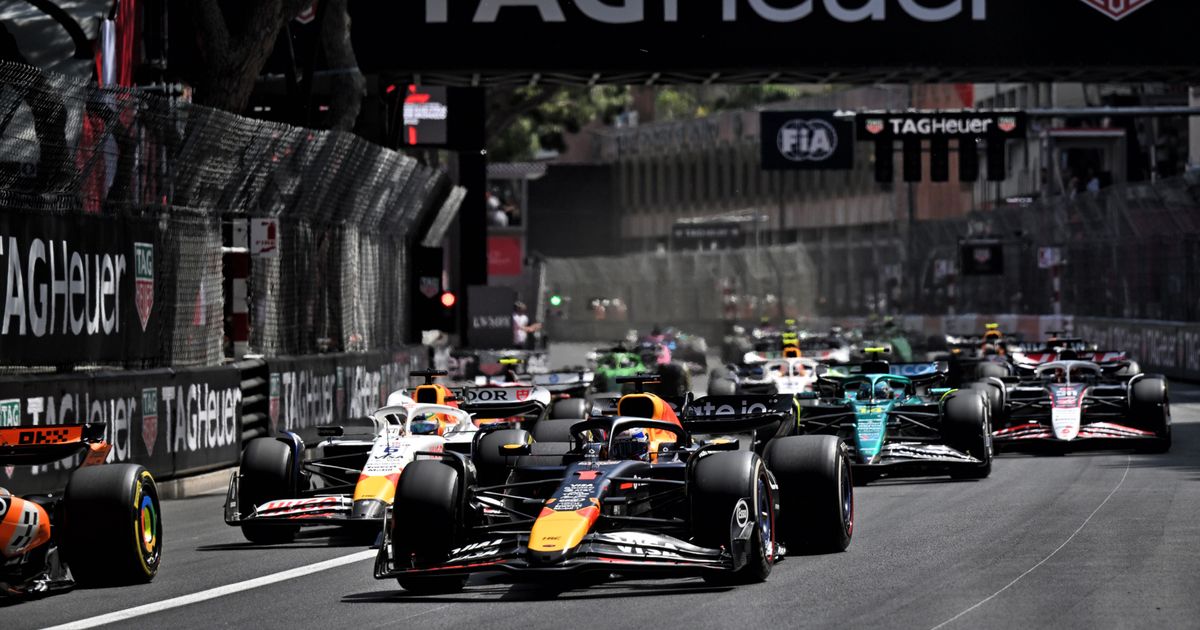
In the Principality the new procedures begin under the glare of the yacht cameras. No one will instantly know whether Mercedes lost or kept an edge over the first five races. The clarity will come later, in the steady accumulation of hot-condition data. What matters now is the precedent. Future innovations will face immediate scrutiny at race temperature, not just in the comfort of an air-conditioned dyno cell.
The lesson echoes through every garage: when regulations grow teeth, the teams that survive are those who read the human dynamics as sharply as the technical ones. Mercedes played the shadow game and the lights came on. The rest of the grid is now forced to perform without the shade.
Join the inner circle
Get the deep dives and technical analysis from the world of F1 delivered to your inbox twice a week.
Zero spam. Only high-octane analysis. Unsubscribe anytime.