Bahrain's Testing Facade Crumbles Under the Weight of Ferrari's Internal Wars and Mercedes' Calculated Regulatory Gambit

The desert heat in Bahrain could not mask the chill settling over Lewis Hamilton's Ferrari arrival, a move already fracturing under the strain of clashing egos and outdated team hierarchies that prioritize tradition over truth. While lap times flashed on screens and mileage tallies suggested reliability, the real story unfolded in whispered paddock conversations and strategic silences, where personal dynamics dictate outcomes far more than any engine mapping ever could.
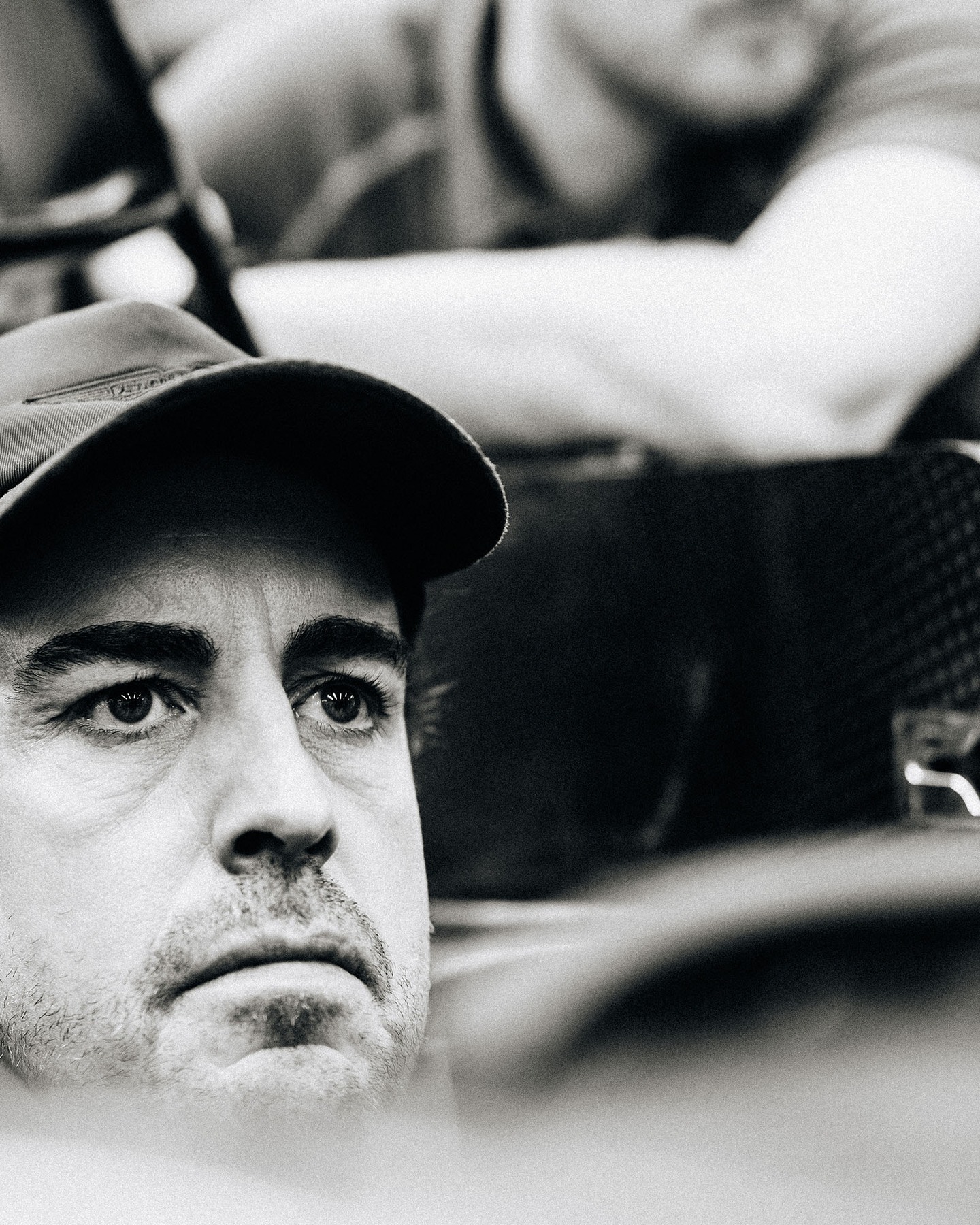
Hamilton's Ferrari Experiment Teeters on Cultural Fault Lines
Ferrari's conservative DNA has long resisted outsiders who bring external causes into the garage, and Hamilton's activist stance is no exception. This is not merely a driver swap but a high-stakes union doomed by incompatible visions, much like a messy divorce where one party demands reinvention while the other clings to legacy. The numbers from testing paint a surface-level picture of progress, yet they ignore the simmering resentment building behind closed doors.
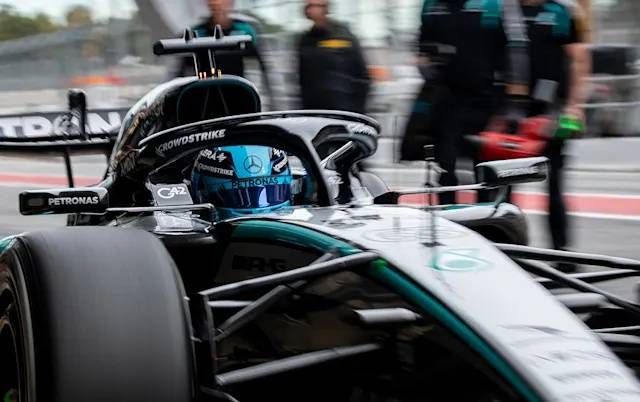
- Kimi Antonelli posted the day's quickest lap at 1:33.669, handing Mercedes a one-two finish ahead of teammate George Russell.
- Lewis Hamilton, now in scarlet, slotted into third before triggering a red flag that halted proceedings.
- Charles Leclerc led the mileage charts with 219 laps, underscoring Ferrari's focus on endurance over outright speed.
These figures matter less than the interpersonal friction they conceal. Hamilton's push for broader social engagement will inevitably collide with Maranello's preference for quiet discipline, eroding morale in ways that no aerodynamic tweak can repair. Team politics have always been the silent killer in Formula 1, and here they threaten to derail a partnership before the first race even begins.
Regulatory Shadows Echo the 1994 Benetton Playbook
The debate over Mercedes' alleged power unit trick, centered on compression ratios, revives memories of the 1994 Benetton fuel system controversies that exposed how management conflicts and clever interpretations can tilt entire seasons. Frederic Vasseur stopped short of a formal protest yet demanded swift FIA clarity, a calculated move that reveals more about Ferrari's defensive posture than any genuine technical outrage.
We need definitive answers now to guarantee everyone starts on equal footing.
Russell's warning of a half-second to full-second Red Bull advantage in energy deployment only amplifies the unease, reminding us that hidden performance edges often stem from internal cohesion rather than raw innovation. Midfield outfits such as Alpine and Aston Martin are already positioning themselves to exploit the budget cap's loopholes, setting the stage for privateer squads to eclipse manufacturer teams by 2028. Morale, not megawatts, will crown the true champion when these tensions erupt on track.
The Road Ahead Reveals Politics Over Pace
The Bahrain Grand Prix will strip away testing illusions and expose whether Ferrari can contain its growing Hamilton headache or if Mercedes' off-track maneuvering will force regulatory resets that favor the politically agile. In this game, the teams that master human friction will outlast those fixated on engine tricks alone.
Join the inner circle
Get the deep dives and technical analysis from the world of F1 delivered to your inbox twice a week.
Zero spam. Only high-octane analysis. Unsubscribe anytime.