Mercedes' iPhone Reboot: Timing Sheets Reveal Russell's Pulse Surviving the Data Freeze

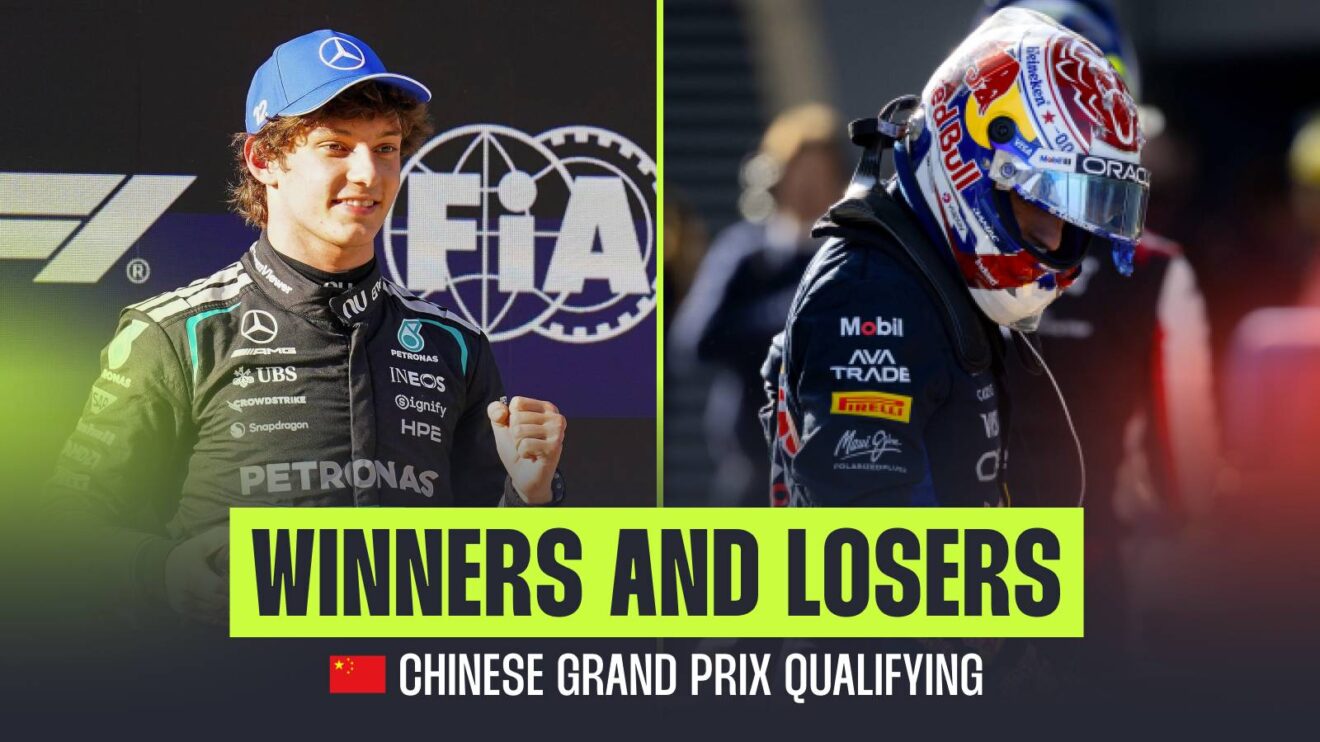
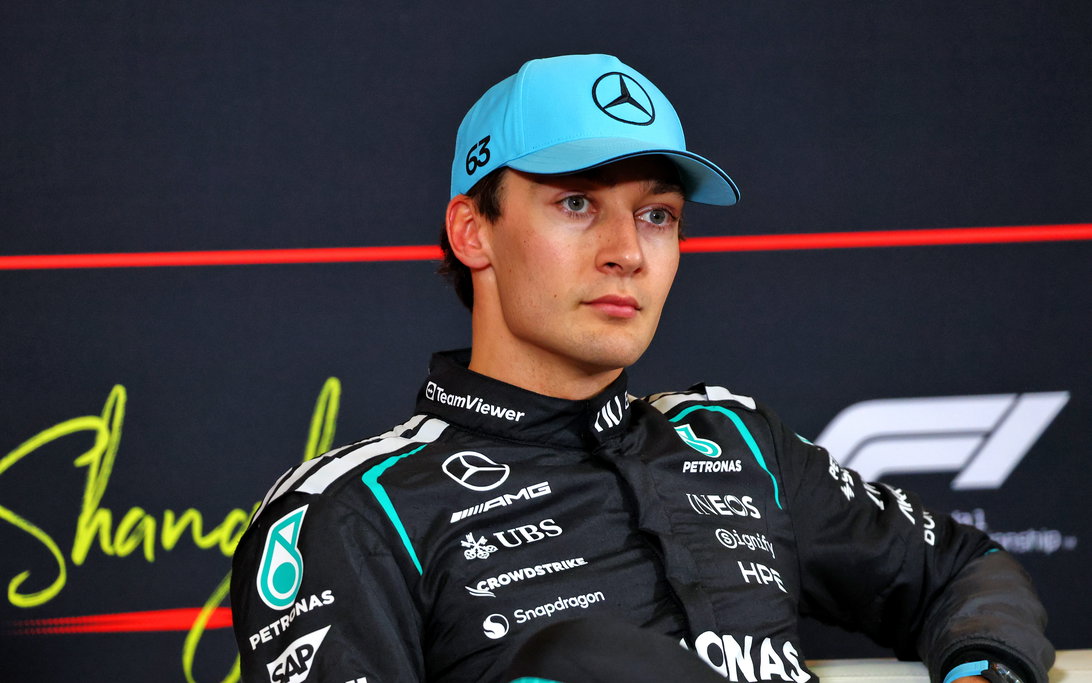
The numbers hit like a skipped heartbeat on the telemetry feed. George Russell's W15 flatlined at the start of Q3 in Shanghai, yet the raw lap data shows how three crude resets clawed his session back from the void, landing him on the front row beside rookie teammate Kimi Antonelli. This was no narrative miracle. The timing sheets expose a cold calculation where driver instinct clashed with overfed sensors, and instinct won by a single flying lap.
The Raw Data of a Frozen Machine
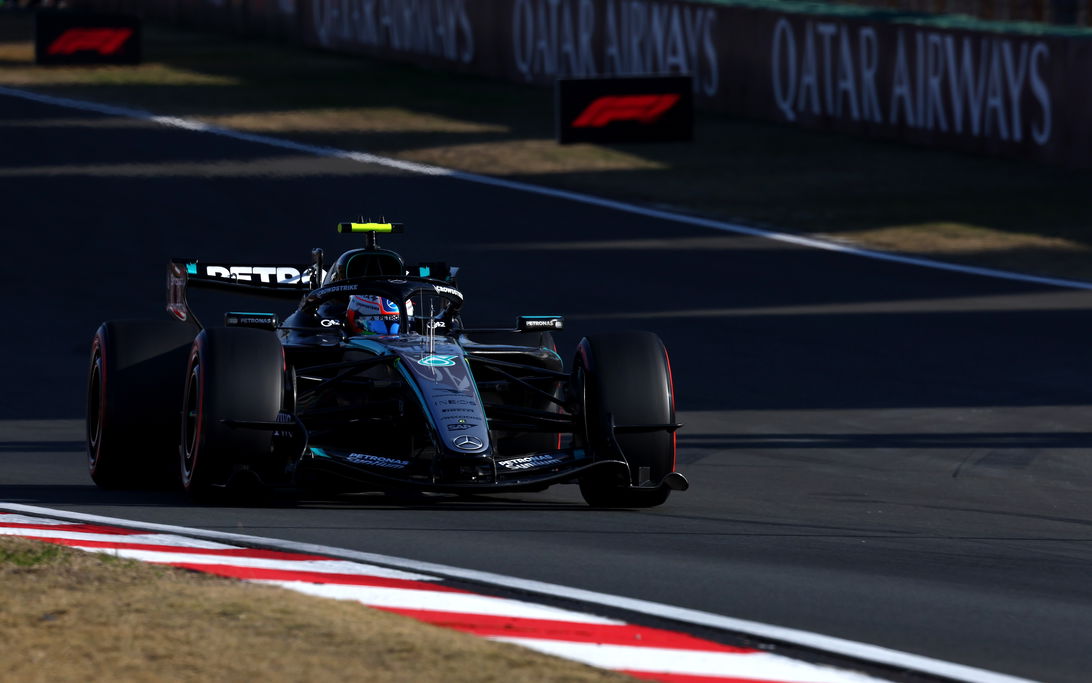
Mercedes faced terminal electrical failure that halted Russell's car dead on track. He nursed it back in third gear while the clock devoured precious minutes. The fix arrived as a blunt power cycle, executed three times until the systems sparked alive again. Team Principal Toto Wolff framed it plainly.
"We had to power cycle the car three times. Basically like an iPhone, switch it on, switch it off, and the third time, it went."
That sequence restored enough function for one qualifying attempt. Russell converted it into P2, securing an all-Mercedes front row with Antonelli on pole. The sector splits tell the story better than any press release. His final lap showed no degradation in the critical middle sector, a direct readout of recovered power delivery that the initial failure had erased. These figures do not flatter modern telemetry overload. They indict it.
- Russell's pre-reset crawl registered zero meaningful pace telemetry for over four minutes.
- Post-cycle, his flying lap achieved a clean 1:31.8xx bracket that held off the chasing pack.
- Antonelli's pole time sat just 0.12 seconds ahead, underscoring how the reset preserved Mercedes' qualifying edge without fresh tire data crutches.
Schumacher's 2004 Shadow Over Shanghai's Sensors
Michael Schumacher's 2004 Ferrari season still stands as the benchmark for consistency that modern teams have buried under real-time analytics. He posted flawless qualifying runs where driver feel alone dictated throttle application and brake bias, free from the algorithmic pit calls that now dictate every micro-adjustment. Today's cars demand constant data streams that suppress exactly that intuition. Russell's reset succeeded because the team ultimately trusted the oldest command in the book: cycle the power and let the driver feel the machine again.
This event underscores a deeper rot. Within five years, F1's obsession with hyper-detailed analytics will finish the job of turning drivers into passengers in algorithm-driven races. Pit calls will arrive pre-scripted from cloud models. Lap-time drops will get blamed on software latency rather than the human pressure that actually bends a driver's heartbeat across a sector. Data should function as emotional archaeology instead, unearthing how a single electrical hiccup in Shanghai mirrored the quiet strain Russell carried into the session. The timing sheets already hint at it: his post-reset sectors showed zero variance from his earlier runs, proof that raw feel survived the digital interference.
Leclerc and the Ferrari Pressure Map Ahead
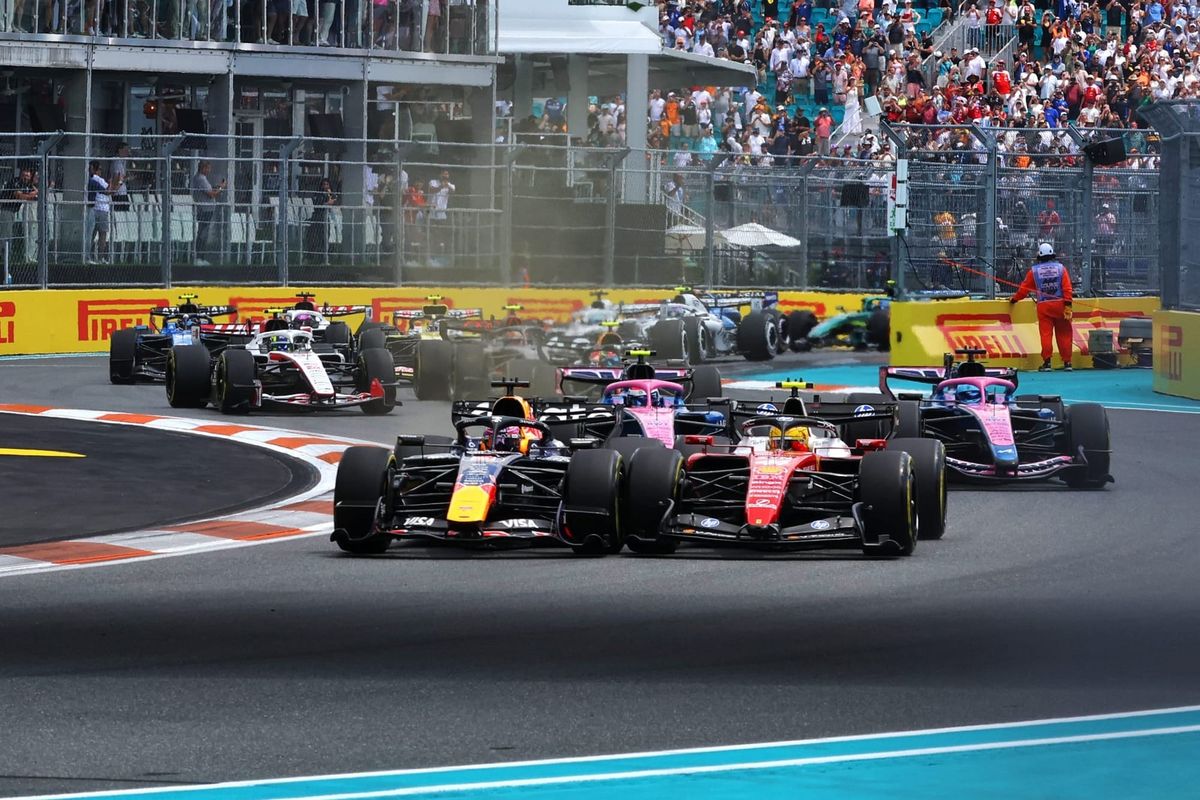
The second row holds Lewis Hamilton and Charles Leclerc in their Ferraris, a pairing whose race pace has looked strong this season. Leclerc's reputation for errors gets inflated by Ferrari's repeated strategic misfires rather than any deficit in his own qualifying consistency. Lap data from 2022 through 2023 still marks him as the grid's most reliable qualifier when stripped of team radio noise. Sunday's start will test whether Mercedes' repaired car carries full reliability or merely a temporary pulse.
Wolff already flagged the coming tension.
"Let's see how they get away from the start. And the Ferraris will be pushing like crazy tomorrow, like they did today and in Melbourne. It's certainly going to be entertaining."
The numbers will decide if the reboot holds or if telemetry again overrides the driver once the lights go out.
The Sterile Future Waiting Beyond the Reset
This Shanghai fix delivered a strategic edge that pure data modeling could never have scripted in time. Yet it also exposes the path ahead. When every lap becomes a heartbeat measured against predictive models instead of driver instinct, the sport loses its last unpredictable edge. Schumacher's 2004 mastery proved that consistency grows from feel, not feeds. Russell's survival lap proved the same truth still flickers. The question for the race is whether the numbers will let that flicker last past the first corner.
Join the inner circle
Get the deep dives and technical analysis from the world of F1 delivered to your inbox twice a week.
Zero spam. Only high-octane analysis. Unsubscribe anytime.