Horner Looms Over Alpine as Mercedes Retreats: Paddock Whispers Signal a Storm
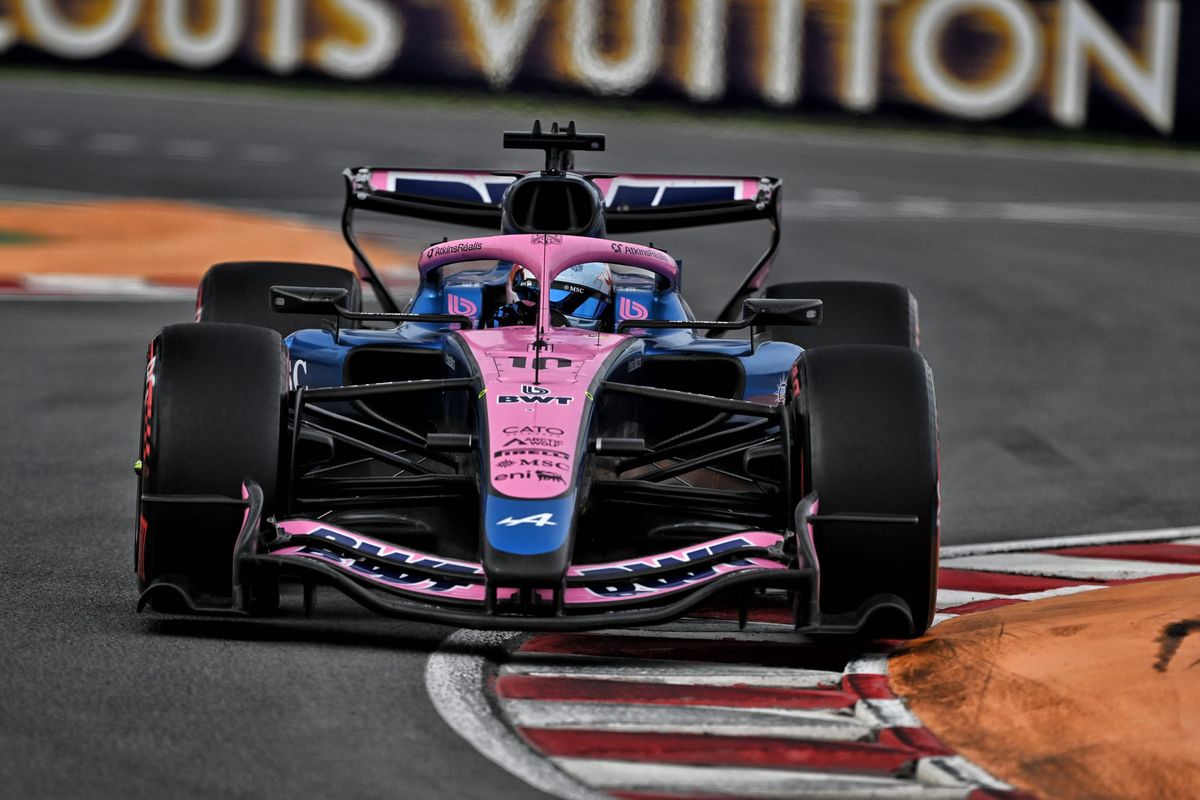
The paddock never sleeps, and right now the whispers are electric. Mercedes has pulled out of the chase for a 24 percent slice of Alpine, leaving the door wide open for Christian Horner to step back into the spotlight he once commanded at Red Bull. Sources close to the deal confirm the German giants blinked at the $720 million price tag that values the entire team at $3 billion. Too rich, they said. Now the real game begins.
The Mercedes Withdrawal: A Valuation Too Steep
Mercedes walked away after submitting bids this week. They refused to push higher. The asking price simply did not match what they believed the team was truly worth inside the garage. This exit removes one layer of complication from the ownership puzzle, yet it sharpens the focus on who steps in next.
- Bold names like Zak Brown at McLaren had already raised flags about shared ownership risks.
- The move clears a potential conflict but keeps the broader debate alive.
- Insiders note Mercedes prefers clean lines over tangled alliances.
This is not just business. It is a test of nerve. Teams that chase numbers without reading the emotional temperature of the paddock often pay later.
Horner's Shadow and the Weight of Team Morale
Christian Horner is pushing hard. He sees the 24 percent stake as his route back into Formula 1 after the Red Bull exit. At the same time he has opened talks with Chinese automaker BYD about an entirely new entry. Multiple options mean multiple pressures.
The Politics Beneath the Surface
My sources keep returning to one truth. Driver mental resilience and team morale decide races long before aerodynamics or engine maps come into play. Verstappen's string of wins at Red Bull carries the scent of strategy favoritism that has quietly clipped Sergio Pérez's wings. The same quiet favoritism can poison any new structure Horner might build at Alpine. Psychological leaks travel faster than any data trace.
"We are not going to do something we are not happy about," Alpine CEO Philippe Krief stated when asked about Renault's stance.
Renault still holds veto power over any sale of Otro Capital's minority stake until September. Krief made clear the French company intends to keep its 76 percent majority. "It is part of the plan for Alpine to continue in F1," he added. Flavio Briatore, the executive advisor, hinted the squad needs "more quality people with experience." Those words land like coded invitations.
The Long Game: Middle East Winds and Old Ghosts
The next five years will redraw the map. At least two new teams from Saudi Arabia and Qatar are set to arrive and challenge the old European order. Horner knows timing. A stake in Alpine could serve as his bridge while those Gulf projects mature.
Modern F1 hides its secrets better than the 1994 Benetton squad ever could, yet the manipulation of narrative remains the same. One misstep in morale management and the entire structure cracks. Horner will need more than investor spreadsheets. He will need to read the room the way a poet reads the desert wind.
- Renault's veto window closes in September.
- After that, Otro can sell freely.
- BYD discussions run parallel, giving Horner leverage.
The Road Ahead
The Alpine story is no longer about a simple stake sale. It is about power, psychology, and who dares to reshape the grid. Horner stands at the center, eyes on multiple fronts. Mercedes has stepped aside, but the real contest has only begun. Watch the morale meters inside every garage. They reveal more than any valuation ever will.
Join the inner circle
Get the deep dives and technical analysis from the world of F1 delivered to your inbox twice a week.
Zero spam. Only high-octane analysis. Unsubscribe anytime.