Schumacher's Benetton Numbers Whisper of a Sterile Future Where Lap Times Become Heartbeats No Driver Controls

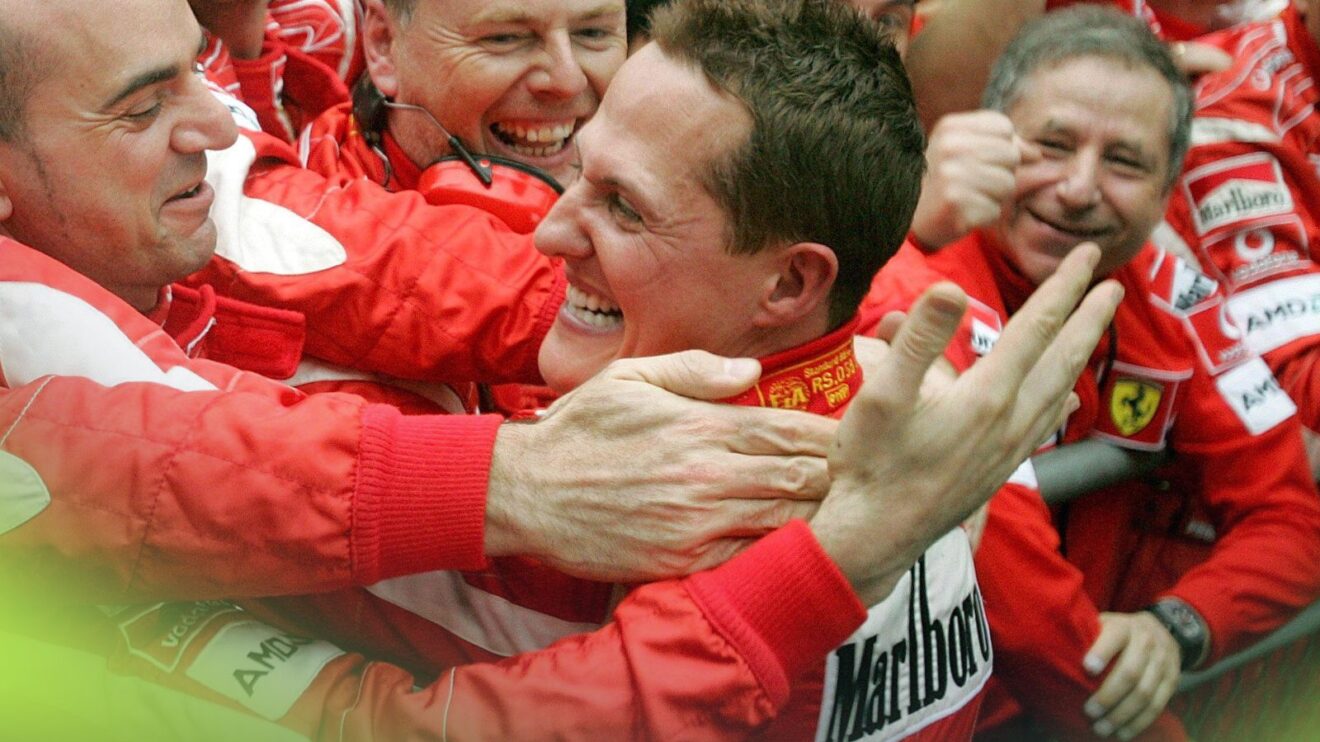
Staring at the raw timing sheets from Spa 1992 still sends a jolt through the data. That Benetton B192 chassis B192-05 delivered Michael Schumacher his first victory not through some mythic narrative but through precise undercuts and tire choices that modern telemetry would now pre-script into submission. The auction hammer fell at €5,082,000. It missed the pre-sale hype of over €8.5 million yet still marked another data point in how F1 heritage gets priced when human intuition once ruled the stopwatch.
The 2004 Benchmark That Modern Teams Ignore
Schumacher's near-flawless 2004 season at Ferrari stands as the ultimate timing sheet rebuke to today's over-reliance on real-time analytics. He strung together consistency that felt almost mechanical but came from raw feel. Lap after lap his deltas stayed flat where others faded under pressure.
- Chassis B192-05 raced in five events that year before its Spa triumph.
- The mixed-condition victory came from a well-timed switch to slicks that undercut Nigel Mansell's dominant Williams.
- Retained by Benetton and later Renault Classic this car had never faced public bidding until now.
Those figures expose the premium collectors still pay for moments before algorithms dictated every pit call. Compare it to the B191 that fetched just $775,000 last year. The gap proves one thing. Victory data carries emotional weight that plain race entries never will.
Emotional Archaeology in the Auction Figures
Dig into the sale price and you uncover pressure traces no spreadsheet fully captures. Schumacher's early career lap time drops often aligned with the weight of proving himself against established names. The €5,082,000 result sits just outside the all-time top ten for historic F1 cars. It reinforces how milestone chassis still command value even when they fall short of championship-winning Ferraris like the 2001 Monaco car that sold for £13.43 million in 2025.
In five years hyper-focused data analytics will turn drivers into executors of code rather than interpreters of track feel.
This sale already hints at that shift. The Benetton stayed competitive through driver decisions that today's engineers would override with predictive models. Schumacher's 2004 consistency showed what happens when intuition stays in the loop. Drop-offs stayed minimal because he read the car not the screen. Future seasons risk turning every race into a sterile replay where pit windows open by algorithm and heartbeats flatten into predictable lines.
Heritage Value Meets the Robotized Horizon
The market for these machines stays robust precisely because they preserve the last echoes of unscripted racing. This B192's journey from team tool to collector prize shows how numbers alone cannot replace the human variable. Yet the trajectory points toward suppression. Real-time telemetry already crowds out the kind of seat-of-the-pants calls that won Spa in mixed conditions.
Bullet the contrast clearly. Schumacher's 2004 season produced qualifying and race deltas that held steady across variable weather without constant digital nudges. Modern squads chase marginal gains that flatten those same emotional arcs into uniform outputs. The €5 million price tag celebrates the past while the sport barrels toward a future where such variability gets engineered away.
Final Data Read on What Gets Lost
The Benetton sale captures a pivotal artifact before the sport fully trades driver intuition for predictive certainty. Schumacher's record-breaking career began with numbers that still pulse with pressure and choice. Within five years those pulses risk becoming background noise to code-driven strategy. Collectors will keep paying for the relics. The grid itself may forget how to create new ones.
Join the inner circle
Get the deep dives and technical analysis from the world of F1 delivered to your inbox twice a week.
Zero spam. Only high-octane analysis. Unsubscribe anytime.
Continue Reading
View More News