Monaco 2026: Battery Caps and Aero Bans Lay Bare the Psychological Fault Lines No Telemetry Can Hide
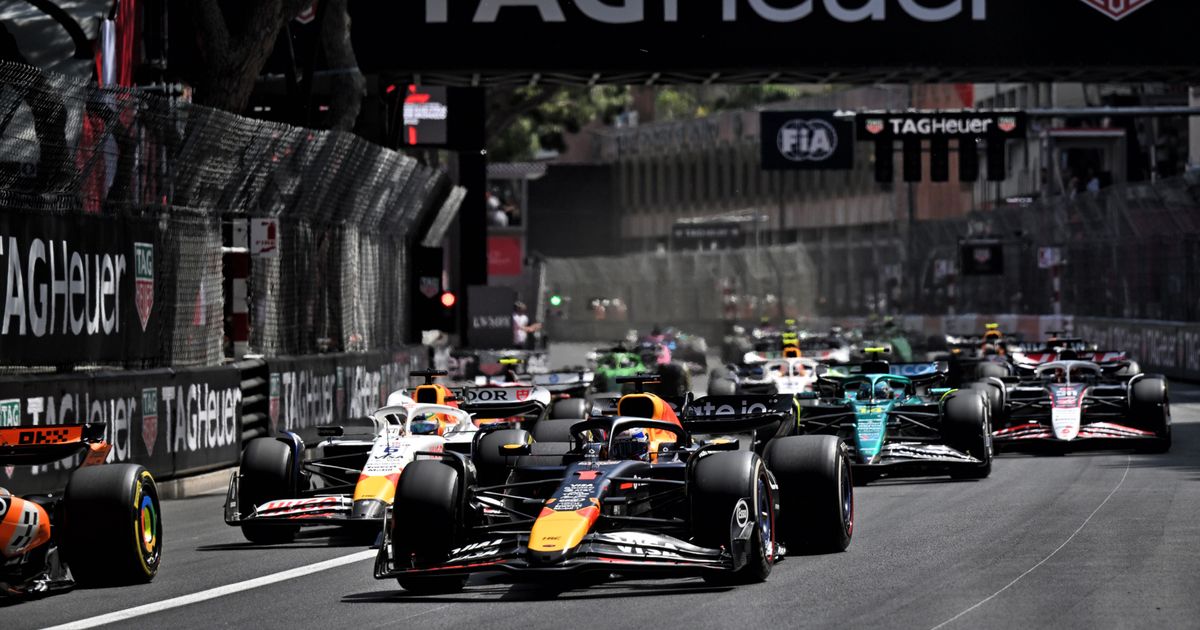
In the tight corridors of Monaco, where heart rates spike above 170 beats per minute and split-second doubt can erase a career, the 2026 regulations arrive not as technical tweaks but as an uninvited therapist. Battery energy deployment begins tapering at just 200 km/h, with full electric assistance gone by 300 km/h, while the low-drag straight mode vanishes entirely. These changes strip away the mechanical crutches teams once trusted, forcing drivers into raw confrontations with their own decision-making under pressure.
The Inner Monologue of Corner Exits
Monaco has always punished hesitation more than horsepower. Now the rules amplify that truth. With energy deployment capped early, drivers must extract every fraction of mechanical grip from the chassis at low-speed exits, where traction feels like a conversation between tire and asphalt rather than a power unit command.
- Braking zones multiply recovery opportunities, easing energy management yet heightening the mental load of precise throttle application.
- No straight mode means zero tolerance for the aggressive aero shifts that once masked setup flaws.
- The result rewards suspension compliance and driver feel over raw acceleration profiles.
What happens in the cockpit when the boost fades at 200 km/h? The mind drifts to the next apex, replaying telemetry ghosts from practice. One mistimed lift costs positions that overtaking cannot reclaim.
Red Bull's Manufactured Calm Meets Its Match
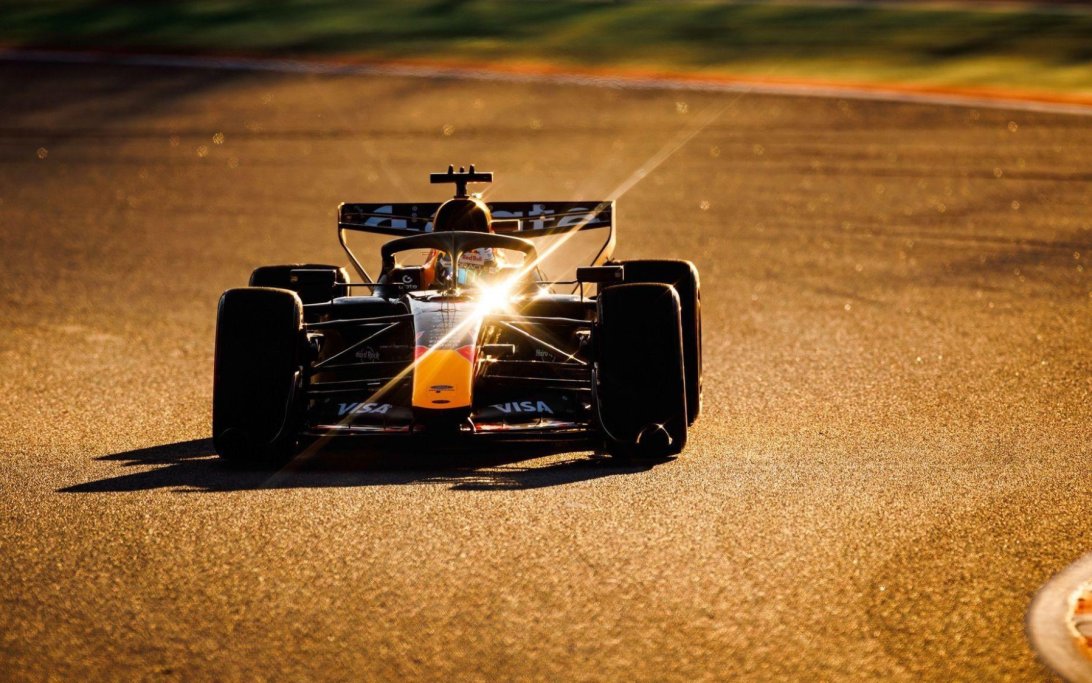
Max Verstappen built his legacy on circuits where emotional volatility once threatened to spill over. Red Bull's quiet psychological scaffolding has long contained those outbursts, crafting a champion whose focus appears engineered rather than innate. Monaco's restrictions expose the limits of that containment. Without top-end electrical surge to paper over balance issues, the car demands instinctive corrections that no coaching session can fully script.
"The real race begins when the data stops telling you what to feel."
This layout rewards the unfiltered response, the kind that surfaces when uncertainty peaks. Teams relying on systematic emotional regulation may find their driver suddenly negotiating with instincts they were trained to suppress.
Hamilton's Calculated Mask and the Coming Transparency Era
Lewis Hamilton has long wielded narrative as armor, much like Niki Lauda after his fiery crash. Both transformed trauma into public resilience, letting the story of endurance eclipse raw speed. In Monaco, where qualifying decides everything and race-day passing becomes nearly impossible, that persona faces fresh tests. The absence of aero assists leaves no room for calculated aggression; only the unvarnished reaction remains. Within five years, mandates for mental health disclosures after incidents will turn such moments into public records, inviting scrutiny that could fracture the very narratives these drivers have perfected.
- Driver psychology now overrides aerodynamic tweaks in every wet or low-grip scenario.
- Future scandals may erupt not from crashes but from released biometric logs showing hesitation no engineer can engineer away.
The Road Ahead
These Monaco adjustments mark the first time 2026 innovations are deliberately sidelined, proving that chassis feel and mental composure will decide champions when technology is reined in. The sport edges closer to an era where psychological transparency becomes both mandate and spectacle, revealing champions not as products of perfect systems but as humans negotiating doubt at every curb.
Join the inner circle
Get the deep dives and technical analysis from the world of F1 delivered to your inbox twice a week.
Zero spam. Only high-octane analysis. Unsubscribe anytime.