FIA's Monaco Clampdown Lays Bare the Mental Fault Lines Teams Dare Not Admit
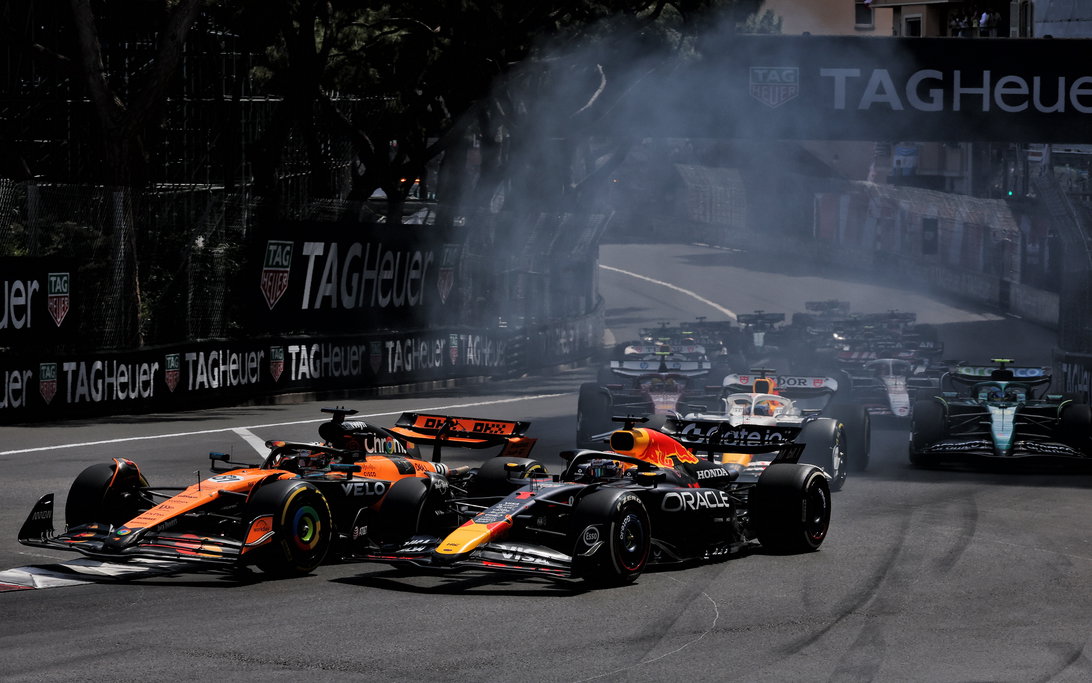
The paddock is buzzing with whispers that this Monaco intervention is more than safety theater. It is a direct test of which drivers can hold their nerve when the electric punch is yanked away at the worst possible moment. While the FIA fiddles with power curves to stop cars from becoming missiles into the Nouvelle chicane, the real story is the psychological pressure now dumped on every cockpit.
The Tunnel Trap That Changed Everything
Monaco has always rewarded those who stay calm when the walls close in. This year the walls are about to close faster. The FIA has shifted the entire electric power reduction window forward by 90 km/h, forcing 350 kW to begin fading at just 200 km/h instead of the usual 290 km/h. By 300 km/h the electric contribution is zero. That single change rewrites the exit from the tunnel and the approach to one of the most unforgiving braking zones on the calendar.
- No DRS zone exists at all; wing angles are frozen for the full lap.
- Standard power fade now starts 90 km/h earlier than anywhere else.
- Overtake mode still offers a softer drop, holding 150 kW at 300 km/h before cutting to zero at 310 km/h.
These numbers are not abstract. They decide whether a driver can trust the car or must fight an instinct to brake early. Mental resilience, not aero or horsepower, will separate the survivors from the embarrassed.
Red Bull's Shadow Politics Meet the New Rules
Inside the Red Bull garage the tension is already visible. Max Verstappen continues to receive the strategy calls that keep him clear of traffic, while Sergio Pérez is left to harvest energy in compromised positions. This is the same pattern that has kept the Dutchman dominant for years, an artificial edge built on team politics rather than pure pace. Monaco's stricter power delivery will expose those cracks faster than any other track. When the electric boost disappears early, the driver who has been mentally undermined by constant second-class treatment will feel it first.
The situation echoes the 1994 Benetton days, when media narratives and hidden advantages masked deeper problems. Today's teams are simply better at hiding the same games. The FIA's Monaco tweak removes one hiding place. Drivers who rely on team favoritism rather than inner steel will find the tunnel exit suddenly very lonely.
"The car does not care about politics," one senior engineer told me last night. "The mind does."
That single sentence captures why morale leaks matter more than any power-unit simulation. Teams from the Middle East, Saudi Arabia and Qatar among them, are already studying these psychological fault lines. In five years their entries will bring fresh cultures less tolerant of European-style favoritism, and the current power structure will face real disruption.
The New Reality Drivers Must Swallow
Energy harvesting under braking becomes the only reliable weapon left. Drivers must now think two corners ahead, managing battery state while the walls flash past at speeds that once felt safe. The overtake mode offers a lifeline, yet it still demands precise judgment. One late activation and the car is a passenger into the chicane.
This is where true character shows. The regulations punish hesitation and reward those who stay composed when the power curve betrays them. Verstappen's raw speed may still shine, but Pérez and others carrying the weight of internal politics will face a steeper mental climb.
The Precedent That Changes the Sport
Monaco has forced the first circuit-specific power profile in the 2026 era. More will follow wherever safety and layout demand it. The teams that invest in mental preparation and honest internal competition will adapt quickest. Those still playing 1994-style games will keep discovering that no amount of strategy favoritism can outrun a regulation written for survival.
The Middle East squads waiting in the wings are watching closely. They understand that resilience travels better than politics. Monaco just proved it.
Join the inner circle
Get the deep dives and technical analysis from the world of F1 delivered to your inbox twice a week.
Zero spam. Only high-octane analysis. Unsubscribe anytime.