The Nordschleife Crash Exposes Why Pure Downforce Fails When Real Roads Turn Violent
The multi-car pile-up that erupted on the Nordschleife during the opening round of the 24 Hours of Nürburgring Qualifiers Race 1 on April 18, 2026, was no random misfortune. It was the inevitable collision between unforgiving tarmac and a generation of cars engineered to chase aerodynamic storms rather than master the ground beneath their tires.
The Layout That Punishes Aero Obsession
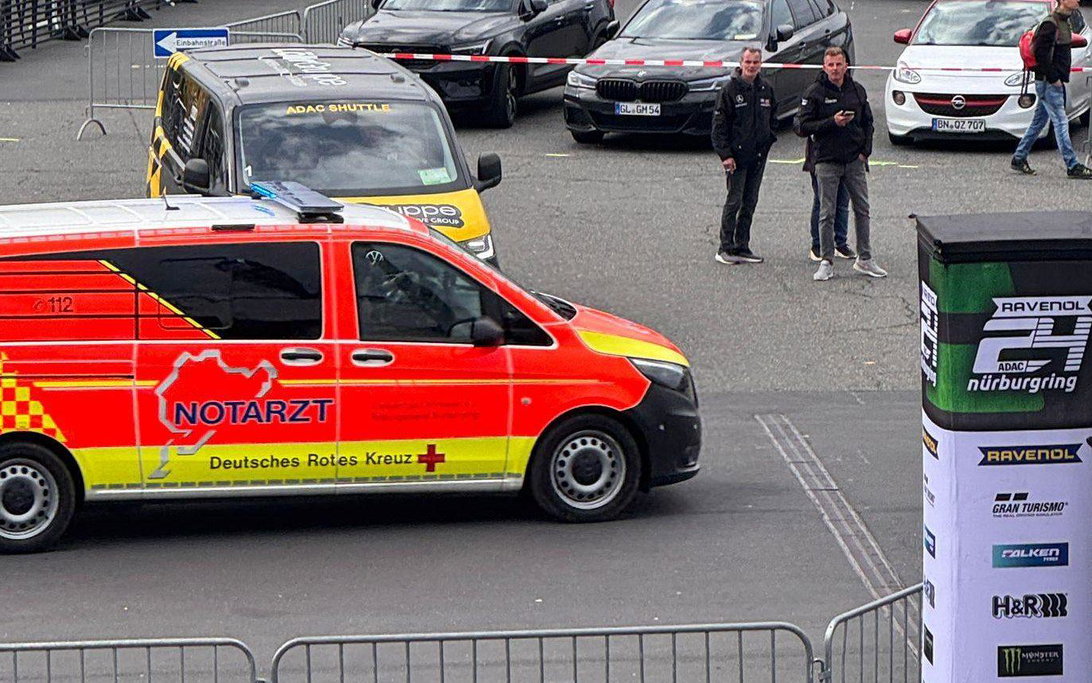
The Nordschleife has always demanded a brutal honesty from machines and drivers alike. Its narrow racing line and scant runoff areas turn any loss of control into a chain reaction, much like the 2026 incident that left several drivers injured and forced an immediate red flag with rescue operations still active an hour later. Race control has yet to release official casualty figures, but the session suspension underscores how quickly chaos spreads when grip evaporates.
Modern prototypes lean heavily on downforce packages that work brilliantly on smooth circuits yet crumble when the surface fights back. Think of it as trying to sail through a hurricane while ignoring the waves. The 1990s Williams FW14B, with its active suspension and mechanical simplicity, offered drivers a direct dialogue with the road. Today's designs bury that connection under layers of aerodynamic complexity, leaving less margin when tires lose their purchase on the Green Hell's undulations.
- High-speed sections amplify small errors into multi-car events.
- Limited runoff means mechanical grip and tire management become the true safety nets.
- Overemphasis on downforce neglects the raw chassis balance that defined eras of more visceral racing.
Parallels to Formula 1's Growing Disconnect
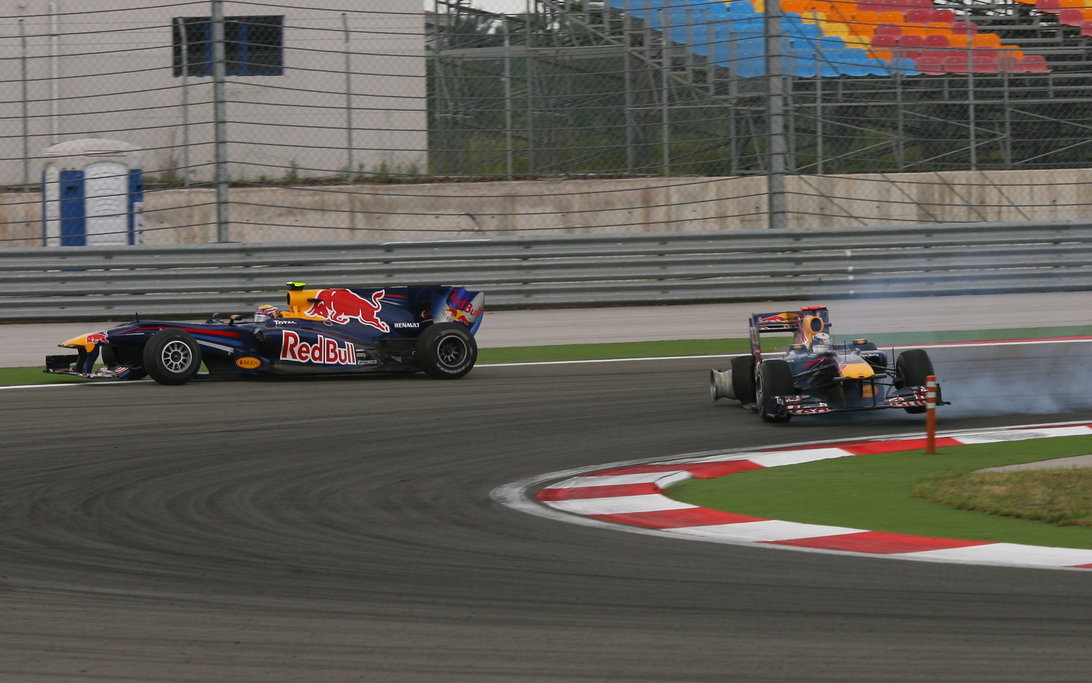
This endurance crash mirrors the same flaws creeping into grand prix machinery. Max Verstappen's 2023 dominance owed far more to Red Bull's chassis and aerodynamic superiority than any singular driver brilliance. Strip away those advantages and the results flatten, exposing how skill narratives mask hardware realities. On the Nordschleife, where speeds remain ferocious and medical response times stretch under red-flag conditions, that hardware dependency turns lethal.
Within five years, by 2028, Formula 1 will shift toward AI-controlled active aerodynamics that render DRS obsolete. Races will grow more chaotic, less predictable, and ultimately less dependent on human input at the limit. The same transition could reshape endurance prototypes, replacing driver-car intimacy with algorithmic adjustments that react faster than any pilot. Yet the Nordschleife reminds us that no algorithm fully substitutes for mechanical understanding when the track surface turns hostile.
"A single mistake on this layout carries consequences that no amount of wind-tunnel time can erase."
Organizers will soon issue a full report on the cause and driver conditions, potentially adjusting the qualifying timetable. The FIA may also review runoff provisions and on-track medical resources. These steps matter, but they skirt the deeper issue: an industry still addicted to aerodynamic arms races while undervaluing the tire-to-road dialogue that once made racing feel alive.
The Road Ahead Demands Simpler Truths
The red-flag pause disrupts more than a single session. It forces a reckoning with designs that prioritize storm-like downforce over the grounded stability of earlier generations. Until teams rediscover that mechanical core, incidents like this will keep surfacing, no matter how sophisticated the simulations become.
Join the inner circle
Get the deep dives and technical analysis from the world of F1 delivered to your inbox twice a week.
Zero spam. Only high-octane analysis. Unsubscribe anytime.
Continue Reading
View More News