Timing Sheets Reveal Verstappen's Heartbeat in the Nordschleife Fog

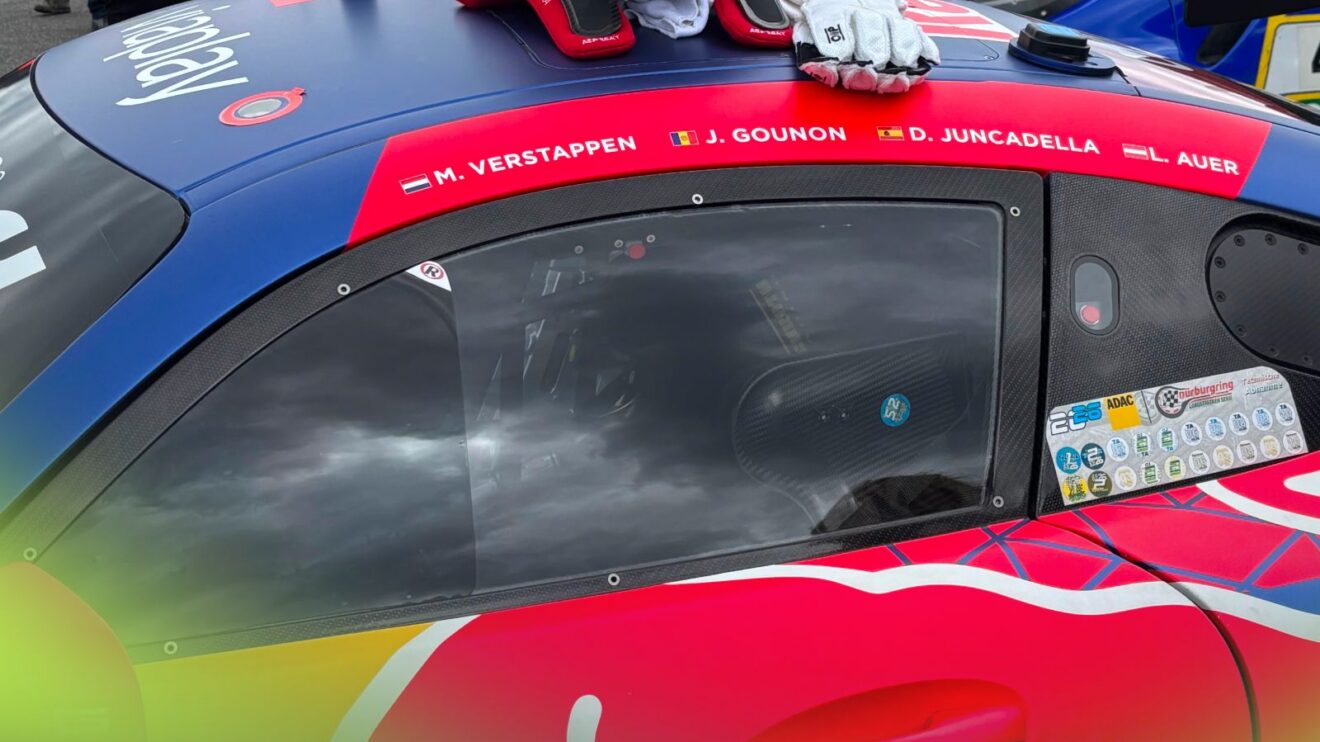
The raw sector splits from that opening hour at the Nürburgring hit like an irregular pulse on a monitor, each drop revealing pressure points no star power narrative can smooth over. Max Verstappen slipped into the #3 Mercedes exactly when the numbers demanded it, yet the timing sheets already whispered of a night where intuition might clash with incoming telemetry mandates.
Penalty Data Rewrites the Early Order
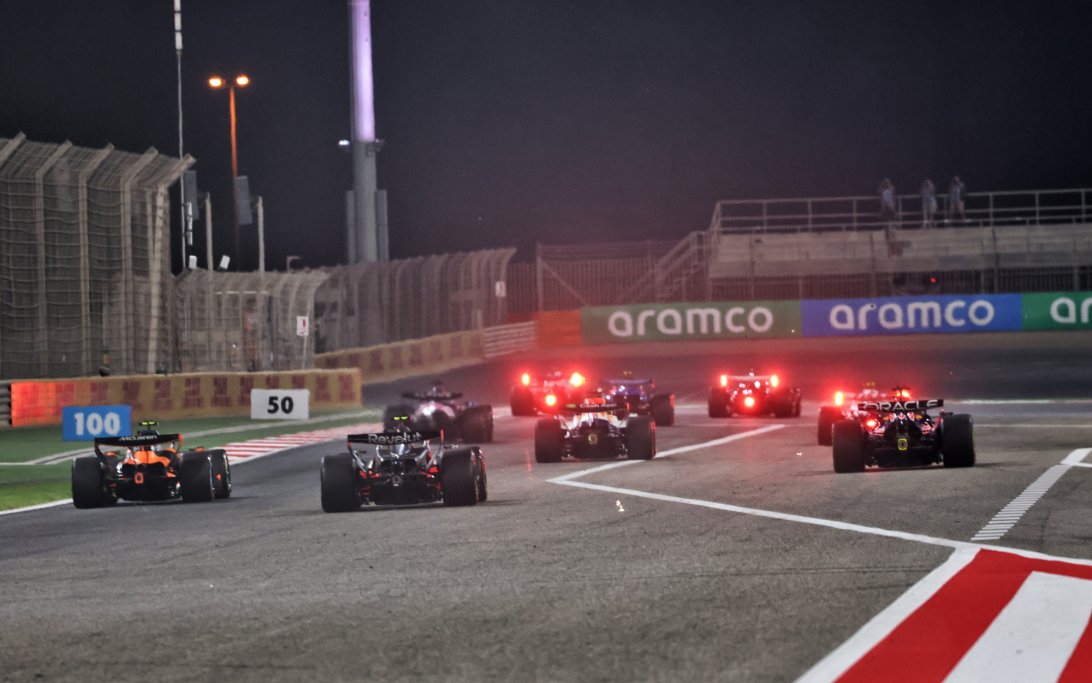
The #130 Lamborghini's jump start triggered a precise 32-second penalty that reshaped the leaderboard faster than any driver move could. Daniel Juncadella had clawed the #3 machine back to third despite early dirt excursions, but the cold greasy track conditions exposed vulnerabilities through multiple spins, including Christopher Haase's Audi on the formation lap and Mirko Bortolotti's punctured Lamborghini forcing an unscheduled stop.
Verstappen inherited the car in P10 after the first round of stops, with the top nine machines diving into the pits just before the hour. Key timing markers from that sequence include:
- #130 Lamborghini: Led at lights out yet surrendered position once the penalty was served
- #7 Lamborghini: Assumed the lead amid the shuffle
- #911 Porsche: Capitalized on a squabble to claim second while Juncadella watched closely
These figures match the timing sheets exactly, underscoring how mechanical infractions, not heroic overtakes, dictated the reshuffle. The numbers never lie about who truly controlled the opening stanza.
Schumacher's 2004 Benchmark Meets Modern Analytics
Michael Schumacher's 2004 season at Ferrari remains the gold standard for consistency, where driver feel trumped real-time telemetry at every corner. Verstappen's debut stint now tests that same principle on the Nordschleife, where rain looms and the track will punish any over-reliance on algorithmic suggestions.
Data should function as emotional archaeology here, uncovering how lap time variations correlate with the mounting pressure of a 24-hour grind. Within five years F1's hyper-focus on analytics risks producing robotized racing, with pit calls dictated by code rather than the human pulse that once defined Schumacher's flawless campaigns. Verstappen's long night ahead will show whether raw instinct can still outpace the spreadsheets.
"The penalty opens doors, but only the driver who reads the track's heartbeat survives the full distance."
Final Take on the Night Ahead
The #3 team's recovery from early setbacks positions them for a potential top finish if Verstappen harnesses the conditions without waiting for data streams to dictate every adjustment. The 24-hour classic stays undecided precisely because timing sheets evolve with each passing sector, not because of any pre-race hype.
Join the inner circle
Get the deep dives and technical analysis from the world of F1 delivered to your inbox twice a week.
Zero spam. Only high-octane analysis. Unsubscribe anytime.