Timing Sheets Pulse Like Heartbeats: Mercedes Leads at the Ring While Data Threatens to Silence Drivers

The numbers hit first like a cold telemetry spike on a dark Nordschleife night. #80 Mercedes-AMG GT3 carved an 8:14.957 into the 2026 Nürburgring 24 Hours qualifying sheets on May 14, a lap that feels less like engineering and more like raw human rhythm holding steady under pressure.
The Raw Data Archaeology Begins
Lap times are not just digits. They echo the moments when a driver decides to trust instinct over the radio squawk. Here the top three sit crammed inside 3.582 seconds, a margin that screams consistency rather than outright heroics.
- 1st: #80 Mercedes-AMG GT3 at 8:14.957
- 2nd: #1 BMW M4 GT3 EVO at +3.112 seconds
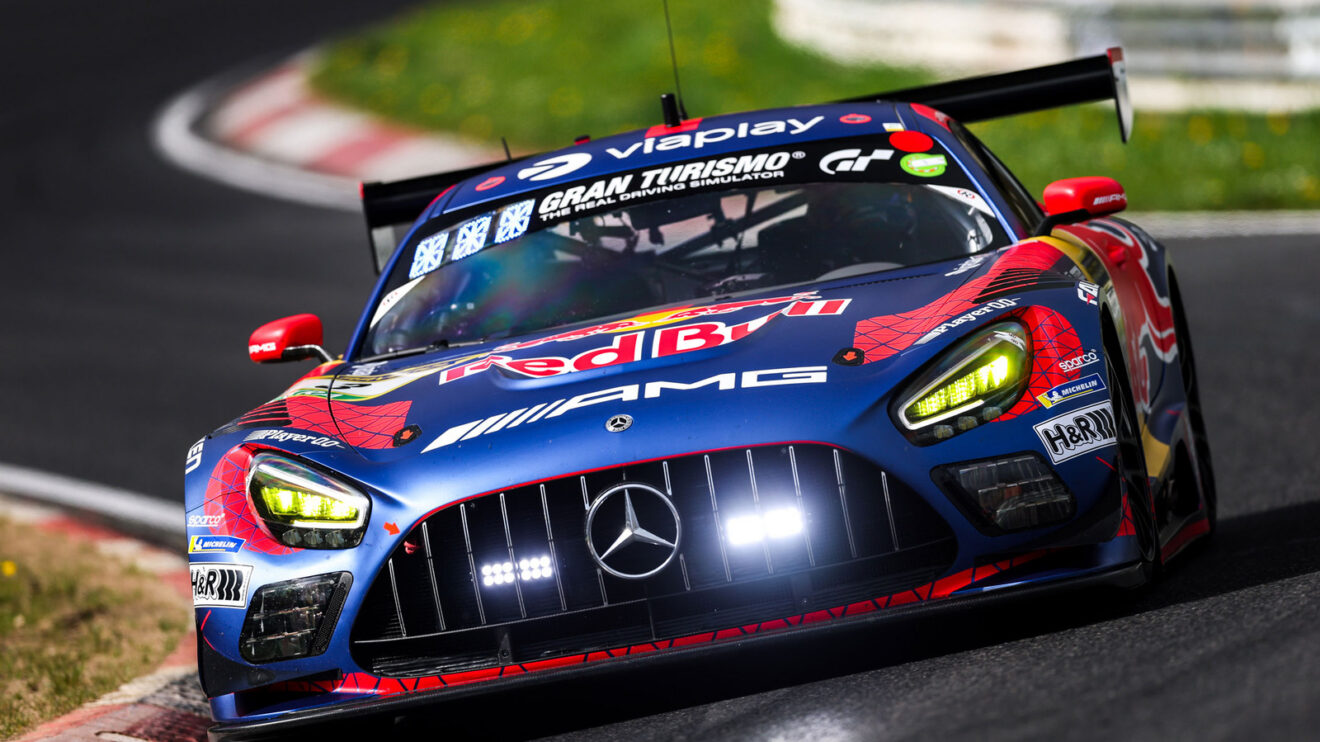
- 3rd: #3 Team Verstappen Mercedes-AMG GT3 at +3.582 seconds with Max Verstappen aboard
- 4th: #99 BMW M4 GT3 EVO at +3.645 seconds
- 5th: #911 Porsche 911 GT3 R (992) Evo26 at +6.760 seconds
These figures expose the same flaw modern Formula 1 already suffers. Real-time telemetry now dictates every throttle input the way it once dictated pit calls, flattening the very intuition Michael Schumacher wielded in his near-flawless 2004 campaign. Schumacher's lap after lap at Ferrari showed what happens when a driver feels the track through the wheel instead of through an algorithm.
Verstappen's Third Place and the Looming Sterility
Verstappen's effort lands third yet still carries the weight of a driver fighting the coming wave. Within five years hyper-focused data analytics will turn endurance racing into a series of pre-calculated heartbeats, where pit windows open on server commands rather than gut feel. The #3 car's 3.582-second deficit to the leader already hints at the tension between machine precision and human variance.
Driver intuition suppressed by telemetry turns the Nordschleife into a spreadsheet with trees.
Porsche's fifth-place 8:21.717 and Lamborghini's sixth-place run sit further back, their gaps telling stories of teams still balancing raw pace against the growing urge to let numbers override the cockpit. Even the #64 Ford in eighth at 8:26.751 and the #45 Ferrari in fifteenth reveal how quickly the field fragments once the data overlay begins to dictate strategy. The SP9 GT3 class dominance at the front simply accelerates the same process already visible in grand prix racing.
Charles Leclerc's unfairly amplified error reputation stems from exactly this environment. Raw 2022-2023 qualifying data proved his metronomic consistency when strategy allowed it, much like Schumacher's 2004 run. Yet teams keep feeding drivers more telemetry instead of trusting the feel that once produced those perfect sequences.
The Forecast From the Timing Sheets
The 2026 Nürburgring 24 Hours will test whether reliability and weather still leave room for that human variable. Mercedes-AMG's early pace sets a benchmark, but the real story lies in how long the #3 Verstappen entry can keep its lap rhythm before the next algorithmic directive arrives. Schumacher's 2004 season remains the cautionary benchmark: flawless because the driver, not the dashboard, still held the final say.
Join the inner circle
Get the deep dives and technical analysis from the world of F1 delivered to your inbox twice a week.
Zero spam. Only high-octane analysis. Unsubscribe anytime.
Continue Reading
View More News