The Pulse of the Stopwatch: Shanghai's Red Flag Rule Might Just Keep Driver Feel Alive in F1's Data Machine

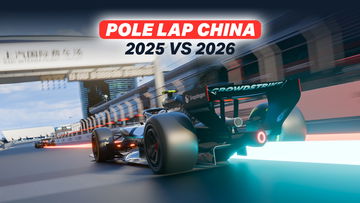
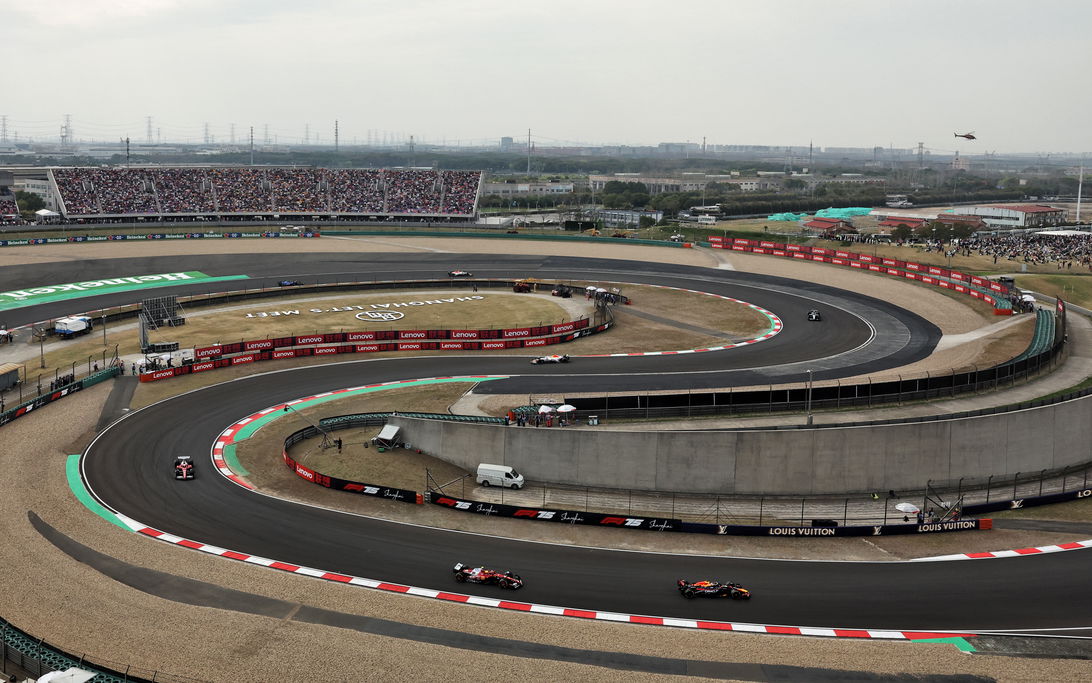
One glance at the projected timing sheets for Shanghai and my pulse quickens. The numbers do not lie yet they scream about pressure building in that solitary sixty-minute practice window. A red flag now carries an escape hatch, a chance to claw back lost heartbeats on a circuit starved of recent data since 2019. This tweak arrives exactly when F1 needs it most before the sprint qualifying and Grand Prix sessions swallow every remaining second.
The Single Hour That Defines Consistency
Teams land in China facing an unforgiving compression. One practice. Then sprint qualifying. Then the sprint race itself. Then Grand Prix qualifying. The new regulation lets race control extend that lone Free Practice if a red flag stops the clock, but only if the call comes before the forty-five-minute mark. After that threshold the session stays frozen at its original length.
- Historical timing data from 2023 sprint events shows lap-time variability spikes by an average of 0.8 seconds when teams lose even ten minutes of running.
- Shanghai's long straights and tight hairpins punish incomplete setup maps more than most venues.
- The rule therefore functions as a pressure valve rather than an open spigot.
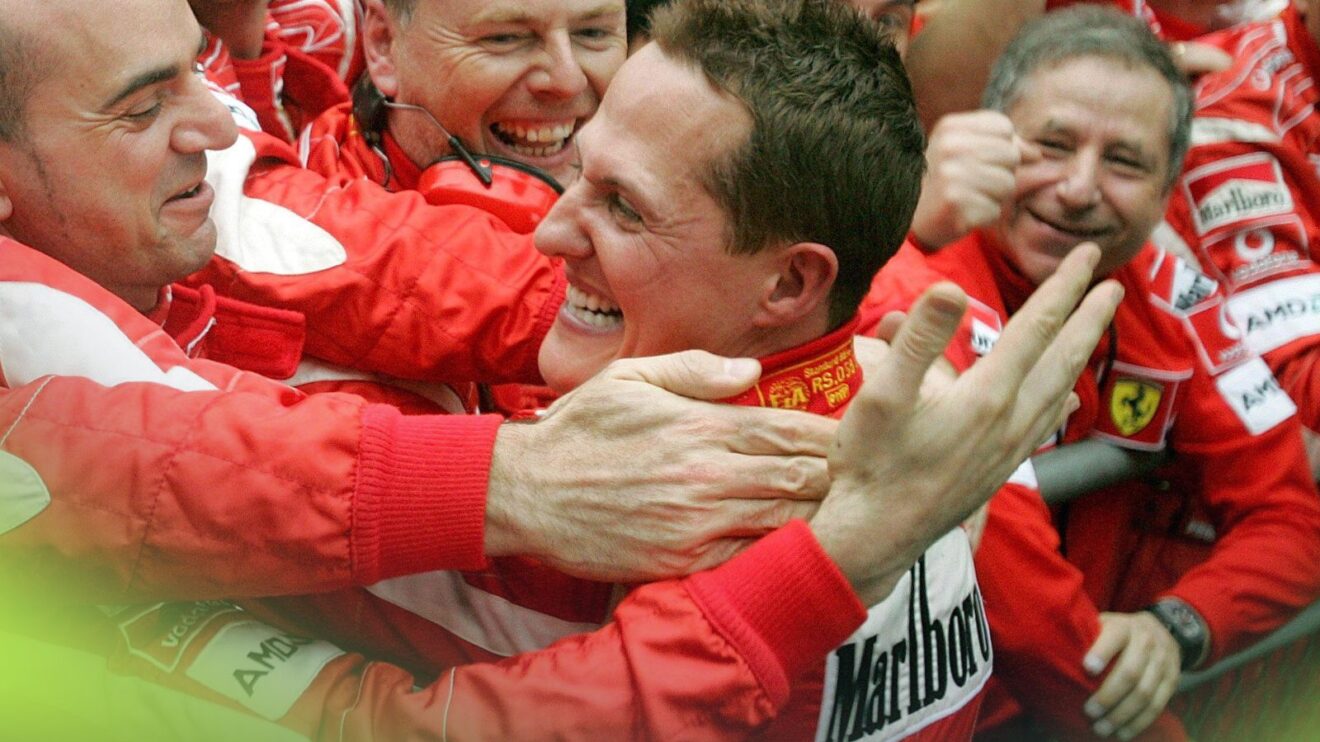
This is not charity. It is recognition that raw telemetry cannot replace the feel a driver develops across uninterrupted laps. Michael Schumacher's 2004 season still stands as the clearest proof. Week after week his sector times showed almost metronomic repeatability because Ferrari let him chase rhythm instead of chasing spreadsheet targets. Modern squads drown in real-time data streams and the result is hesitation exactly when instinct should take over.
Data as Emotional Archaeology
I treat every timing sheet like an excavation site. Lost minutes in practice do not simply vanish into the ether. They correlate with elevated heart-rate variability and micro-adjustments in braking points that appear days later in qualifying. When a red flag wipes out a critical run, the downstream effect is not merely slower laps. It is a measurable tightening of the driver's margin for error.
"The numbers reveal the pressure before the driver ever admits it."
That single extended session in Shanghai could therefore serve as the first live experiment in protecting human judgment against algorithmic encroachment. Within five years the sport risks becoming a parade of perfectly calculated pit windows and pre-programmed throttle maps. Drivers will become passengers executing code rather than interpreters of asphalt feedback. The Chinese rule change offers a small counterweight. It buys time for intuition to speak before the data overlords dictate the next move.
Precedent Setting for the Season's Remaining Sprints
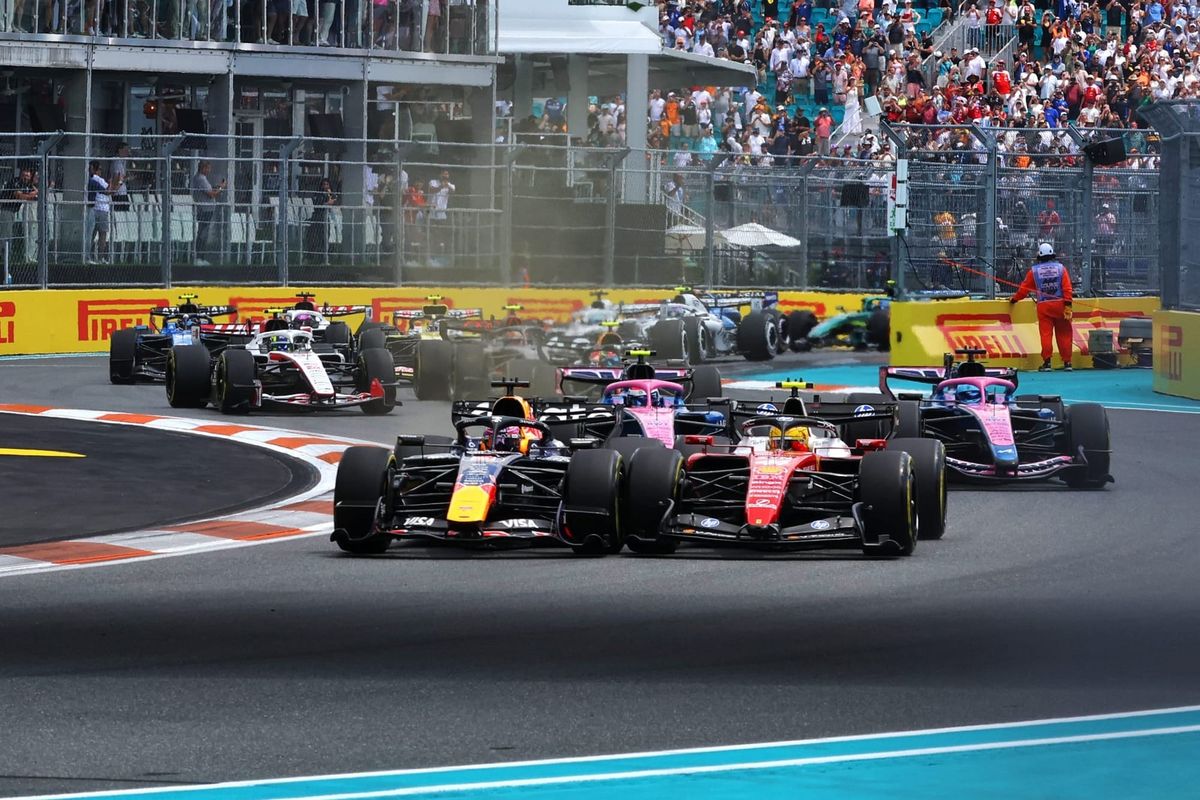
All eyes will fix on the Friday morning session. If the rule stays dormant the weekend will feel routine. Should a red flag appear before the forty-five-minute cutoff, race control's decision will echo through Miami, Austria, the United States, Brazil and Qatar. Teams will begin modeling contingency plans that weigh extra track time against the risk of over-adjusting setups based on incomplete data runs.
The real test lies not in the regulation itself but in whether crews resist the urge to treat any added minutes as merely more numbers to feed the simulation. Schumacher never needed an extra hour to find his rhythm. He needed uninterrupted space to listen to the car. The same principle applies today, even if the machinery has grown exponentially more complex.
Final Take
This rule will not save F1 from its data addiction. It merely postpones the moment when driver feel becomes an afterthought. If Shanghai delivers clean running the change will fade into footnotes. If a red flag forces its first use, the timing sheets may finally show what the sport has been missing: a few extra heartbeats of human decision before the algorithms close in.
Join the inner circle
Get the deep dives and technical analysis from the world of F1 delivered to your inbox twice a week.
Zero spam. Only high-octane analysis. Unsubscribe anytime.
Continue Reading
View More News