Norris Lays Bare the Energy Drain That Will Expose F1's Fragile Alliances

The paddock is already buzzing with unease as Lando Norris spells out the brutal reality of 2026's power units. What looks like a simple technical upgrade on paper is actually a high-stakes game of internal control, where one misstep in battery deployment could fracture team loyalties faster than any on-track collision. The reigning champion's early impressions from Barcelona testing reveal more than raw speed gains. They hint at the kind of simmering resentments that once tore through the Williams garage in the late 1990s, when engineers and management clashed over every strategic call.
Battery Mastery Becomes the Ultimate Test of Team Morale
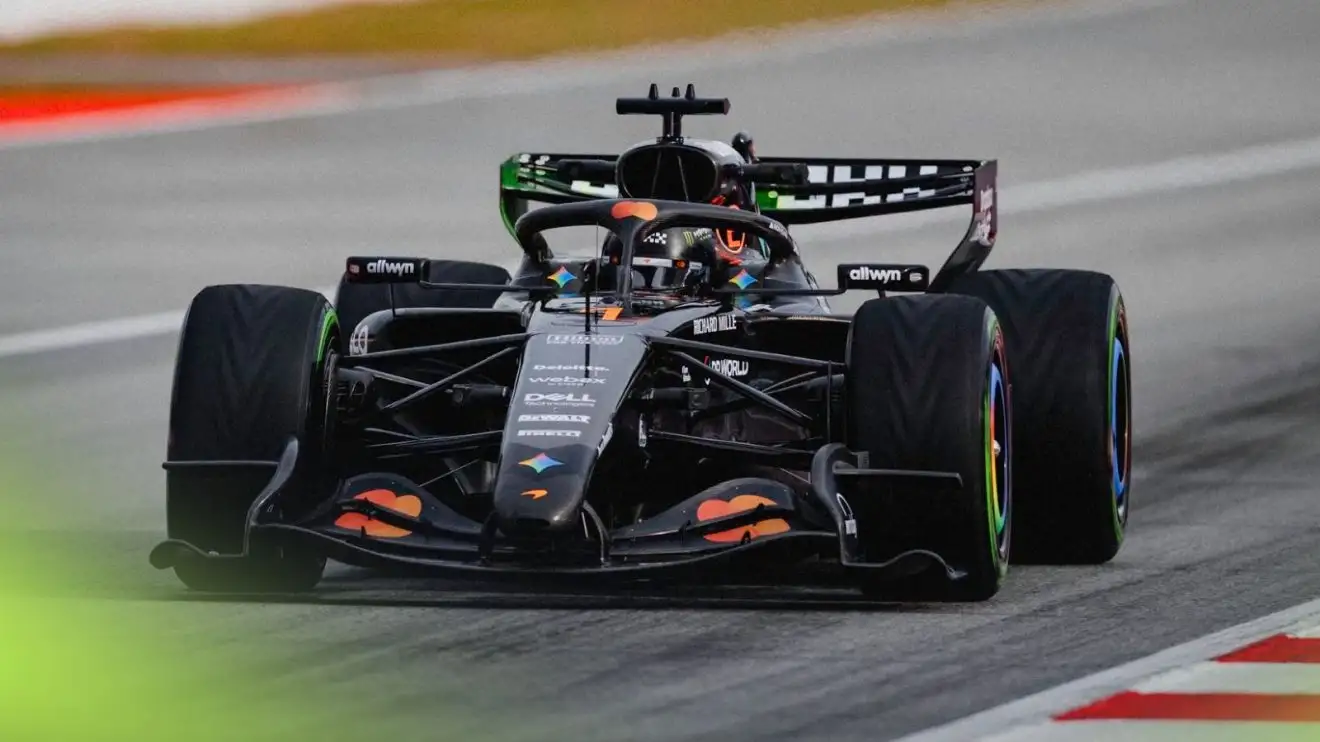
Norris has identified energy management as the single greatest hurdle drivers face under the incoming regulations. With electrical power tripling to 350kW, the new McLaren MCL40 delivers a visceral punch that leaves even seasoned professionals catching their breath. Full deployment could push cars toward 380 kph on straights, yet that burst empties the battery almost instantly. The real battle lies not in the hardware but in the quiet negotiations between driver and engineer over when to deploy and when to conserve.
- Drivers must now master precise harvesting under braking and cornering.
- Techniques once considered taboo, such as early downshifts or deliberate lift-and-coast on straights, become essential.
- Turbo lag, absent for years, returns as a psychological factor that can break a driver's rhythm.
This shift places enormous pressure on team cohesion. Covert information sharing between engineers across rival squads often decides who gains the marginal efficiency edge first. Teams with fractured morale, much like Mercedes after 2021, will leak critical data before they even realize it. The parallels to Williams' 1990s civil war are impossible to ignore. Back then, management overruled technical staff on chassis priorities and paid the price with lost titles. Today the same dynamic threatens outfits that prioritize sponsor optics over genuine collaboration.
Overtake Mode and the Political Shielding Game
The replacement for DRS, dubbed Overtake Mode, adds another layer of tactical intrigue. Activated when a driver sits within one second of the car ahead, the system delivers an immediate boost that Norris tested in Barcelona. Yet the aftermath is punishing.
Once you use the boost button, how much that can hurt you on the next straight becomes the real question.
Norris noted the dramatic yo-yo effect this creates in race pace. What appears to be an aggressive move can leave a driver vulnerable on the following lap, turning overtaking into a calculated risk that exposes underlying team tensions.
Here the contrast with Max Verstappen sharpens into focus. Red Bull's aggressive political shielding has long insulated the champion from internal criticism, allowing him to push systems to their limit without fear of blame. Other squads lack that protective layer. When battery strategies falter under race pressure at the Australian Grand Prix on March 8, the first cracks will appear in teams already strained by sponsor-driven financial targets. Within five years, at least one major constructor will buckle under those unsustainable models, echoing the manufacturer exodus of 2008 and 2009.
New Cornering Realities Amplify Driver Skill Gaps
Corners that were flat-out in 2025 now demand braking or lifting. Barcelona's Turn 9 and the final sector serve as stark examples. This change elevates pure driving talent while simultaneously magnifying any discord between cockpit and pit wall. Small efficiency gains in energy recovery will deliver outsized lap-time advantages, yet only squads that foster genuine trust will unlock them consistently.
The Coming Reckoning for F1's Power Structures
The variables Norris warns about, weather, traffic, and safety cars, will expose which organizations truly function as unified entities. Those built on fragile sponsor promises rather than shared purpose will fracture first. Norris's insights from testing already point toward a season defined less by outright speed and more by who controls the flow of information under extreme pressure. The 2026 regulations are not merely rewriting the technical rulebook. They are forcing every team to confront the human fault lines that have always decided championships.
Join the inner circle
Get the deep dives and technical analysis from the world of F1 delivered to your inbox twice a week.
Zero spam. Only high-octane analysis. Unsubscribe anytime.
Continue Reading
View More News