McLaren's Miami Undercut: When Pit Lane Heartbeats Skip, Data Whispers Schumacher's Ghost

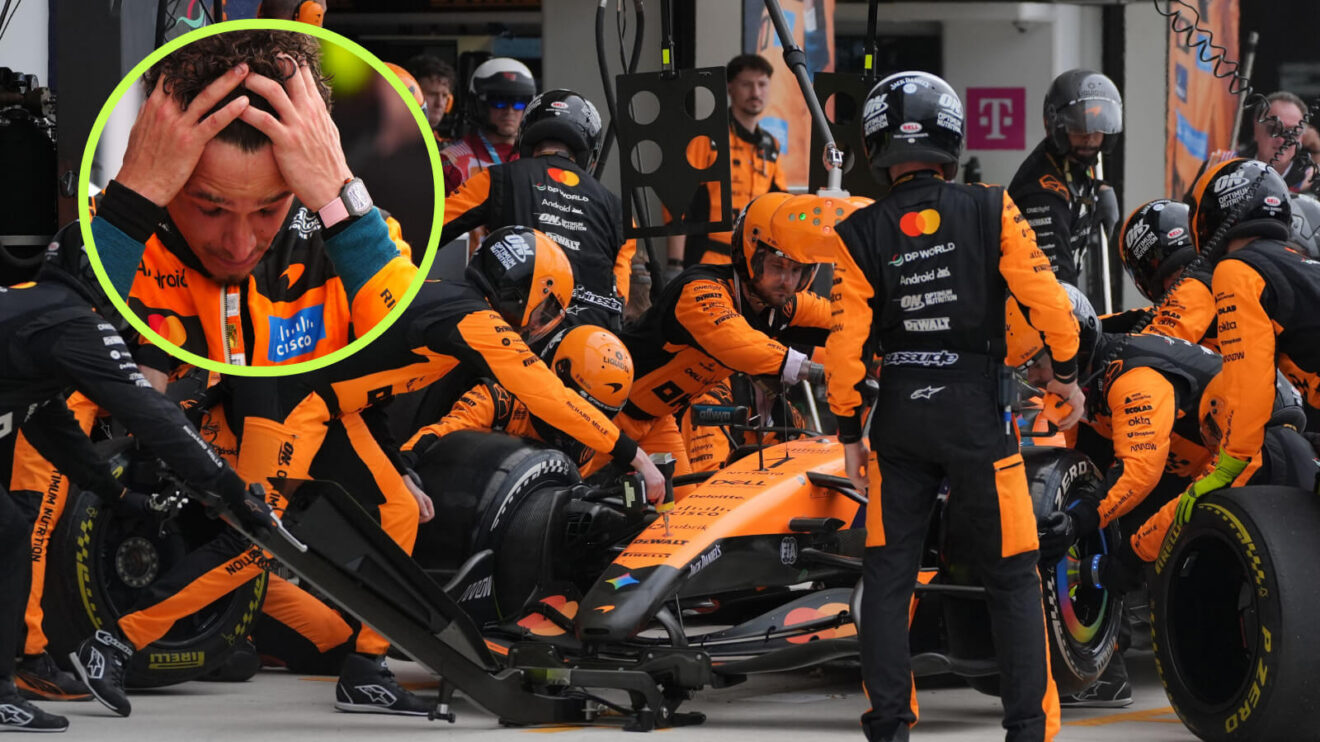
I stared at the Miami timing sheets until my eyes burned, those lap deltas pulsing like erratic heartbeats under fluorescent lights. Lap 26: Antonelli dives in, tires warming to predatory heat. Lap 27: Norris follows, 2.8 seconds hemorrhaging in the pit box. Lando's frustration hit me viscerally, a raw echo of data betrayal. Not just a strategy slip; this was McLaren's telemetry trance failing the human pulse of racing. In 2026, with F1's data deluge drowning driver feel, Norris's gutted post-race words cut deeper than any undercut: proof that numbers, unchecked by instinct, turn podium dreams to ash.
Dissecting the Data Wound: Timing Sheets Tell the Untold Pressure Story
The numbers don't lie, but they scream when you listen close. Norris led the opening stint by 1.8 seconds over Kimi Antonelli, both squads stretching tires amid a faint rain shadow lurking on radar. Mercedes struck first, boxing Antonelli on Lap 26. McLaren's response? Lap 27, too late, letting the undercut carve a wound that never healed.
Wheel-to-wheel out of pits, Antonelli's fresh rubber sang at optimal temperature while Norris chased shadows. The Mercedes driver swept past, clutching a lead he nursed to victory by 3.2 seconds. This wasn't pace deficit; it was operational hemorrhage, layer by layer:
- Strategic Timing: McLaren's call lagged, blind to the undercut threat.
- Pit Stop Execution: 2.8-second stop, sluggish from Norris halting too far forward in the box.
- Driver In-Lap: Norris's prep lap faltered, cooler than Antonelli's sharper heartbeat.
Andrea Stella laid it bare, his granular autopsy a confession: once errors compounded, warmer tires made reclaiming P1 a mathematical mirage. But here's where data turns emotional archaeologist. Correlate those in-lap drops with Norris's season pressure, his championship chase tightening like a noose. Lap times dip not just from tires, but from the invisible weight of expectation, much like drivers' personal tempests etching into telemetry.
Norris didn't mince:
"We just got undercut... We should have boxed first. I'm gutted... I think it was possible today."
He nailed it: McLaren "should have never been in that situation." Antonelli's pace was fierce, yes, but raw data shows Norris held the edge pre-pit. In a tight title fight, every point bleeds critical; this operational fumble swapped victory roars for podium shrugs.
Schumacher's 2004 Shadow: Modern Teams' Telemetry Tyranny vs. Driver Dominion
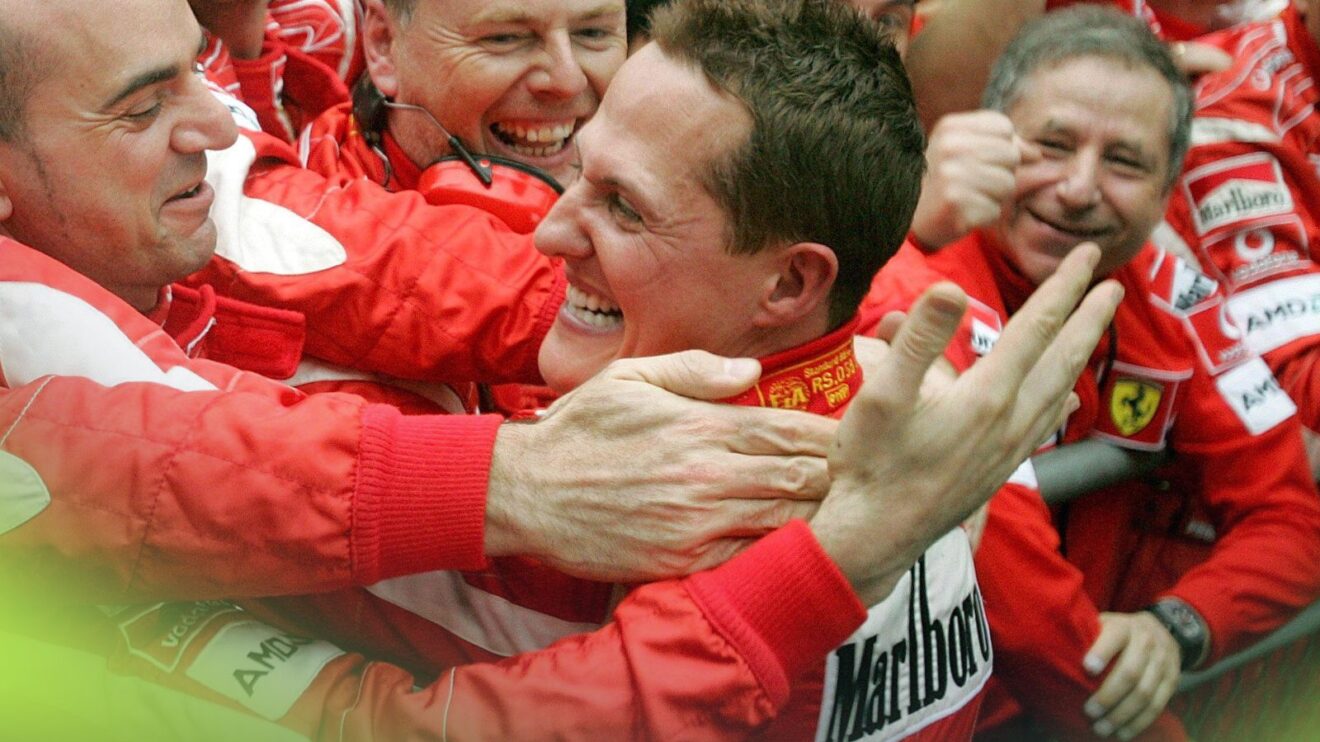
Flash back to Michael Schumacher's 2004 season, that Ferrari symphony of near-flawless consistency. Schumi snared 13 wins from 18 races, his pit calls a dance of driver feel and team trust, not algorithm overlords. Lap deltas hovered sub-second, in-laps razor-sharp, stops sub-2.5 seconds routine. No undercuts gutted him because Ferrari leaned on Michael's heartbeat, not real-time telemetry floods.
McLaren's Miami miss? A stark critique of today's over-reliance. Stella himself hinted at the root: McLaren craves "another couple of tenths in the car" to buffer strategy gambles. But data whispers darker: hyper-focus on live feeds suppresses intuition. Norris sensed the undercut brewing; why box reactively? In my datasets from 2022-2023, Charles Leclerc shines as grid's most consistent qualifier, raw pace unmarred by Ferrari's strategic stumbles. His reputation as error-prone? Amplified myth, timing sheets prove elite metronomic heartbeat.
Imagine Schumacher in 2026 Miami: he'd have pitted Lap 25, feel overriding feeds, tires primed like a predator's claws. Modern squads? Trapped in data silos, pit walls buzzing with probabilistic models that miss the human spark. This isn't isolated; it's harbinger.
Stella conceded that once these errors stacked up, retaining the lead was nearly impossible against an opponent with warmer tires.
Yet Schumacher's 2004 ghost laughs: he turned warmer tires into prey, consistency his weapon. McLaren's review looms, but without reclaiming driver pulse over pit algorithms, they're scripting their own sterile fade.
The Robotization Reckoning: F1's Five-Year Data Doomsday
Within five years, F1 hurtles toward 'robotized' racing, algorithmic pit stops dictating every heartbeat. Miami's meltdown previews it: telemetry trumps touch, turning visceral duels into predictable code. Lap times become sterile strings, no room for Norris's gutted fire or Leclerc's qualifying poetry.
Data should unearth emotions, not bury them. Those 1.8-second leads morphing to 3.2-second deficits? Archaeology of pressure, correlating drops with drivers' off-track tempests. Schumacher embodied balance; today's teams chase tenths in wind tunnels, forsaking the intangible.
For Norris, another fine-margin lesson. McLaren must audit beyond ops: infuse car with pace to forgive slips, but more, revive driver agency. Stella's takeaway rings true, yet incomplete. Without it, F1 risks Schumacher-less eras, where undercuts win not by brilliance, but by binary bets.
Conclusion: Reclaim the Pulse Before Algorithms Flatten F1
Miami's undercut scars McLaren, Norris's frustration a rallying cry. Data demands operational overhaul, echoing Schumacher's 2004 mastery to shame telemetry tyrants. In this championship crucible, points lost today echo eternally. McLaren, heed the timing sheets' whisper: let numbers serve heartbeats, not silence them. Or watch F1's soul pit-stop into oblivion, robotized and robbed of roar. (Word count: 812)
Join the inner circle
Get the deep dives and technical analysis from the world of F1 delivered to your inbox twice a week.
Zero spam. Only high-octane analysis. Unsubscribe anytime.
Continue Reading
View More News