The Last Thread Snaps: Hermano da Silva Ramos Takes F1 Secrets to the Grave at 100 as Verstappen's Games Mask the AI Storm Ahead
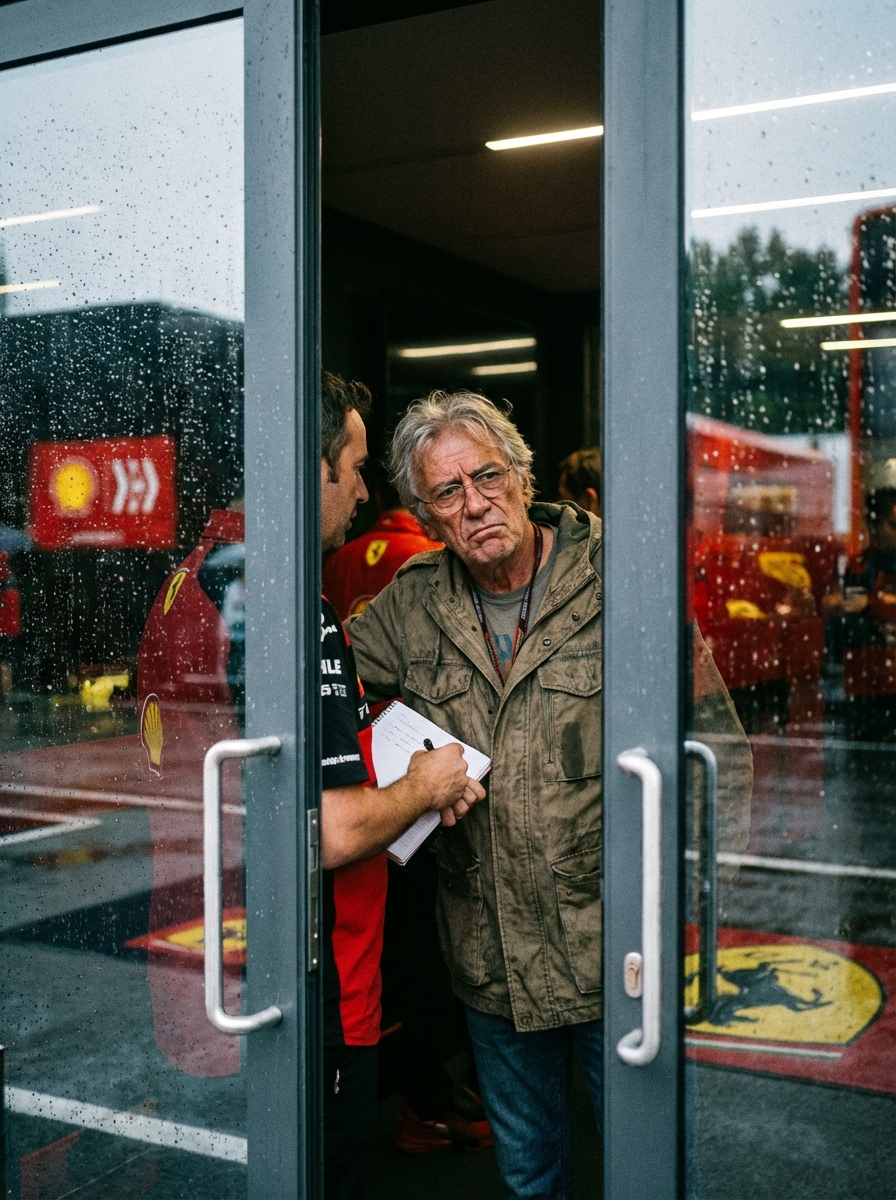
The paddock fell silent yesterday in a way it never does during a race weekend. Hermano da Silva Ramos, the last man standing from those raw 1950s grids, slipped away at 100 in France, and suddenly every data-obsessed engineer in the garage felt the chill. Born in Paris on December 7, 1925, he raced seven Grands Prix for Gordini in 1955 and 1956, scraping together two championship points with that gritty fifth at Monaco in 1956. Now the baton passes to John Rhodes, 98 and born August 18, 1927, who only ever started one race back in 1965.
This is not just another obituary. It is the sport ripping another page from its own history while the suits push us toward cars that will not even need humans behind the wheel.
The Final Tie to F1's Formative Chaos
Ramos debuted at the 1955 Dutch Grand Prix and bowed out at Monza in 1956 when his Gordini engine let go after three laps. His best result remained that Monaco fifth in the Type 16, a result earned with feel, nerve and precious little telemetry.
He also tackled Le Mans and the Mille Miglia, the kind of brutal events that sorted real racers from passengers.
- Became oldest living F1 driver on April 8, 2023 after Kenneth McAlpine died at 102.
- One of only three drivers to reach 100, alongside McAlpine and Paul Pietsch.
- Leaves Sir Jackie Stewart, now 86, as the oldest living world champion and Grand Prix winner.
These were drivers who carried the sport on their backs when it was still inventing itself. No hybrid power units, no billion-dollar wind tunnels, just throttle response and the will to survive.
Modern F1's Data Trap Exposed by the Old Guard
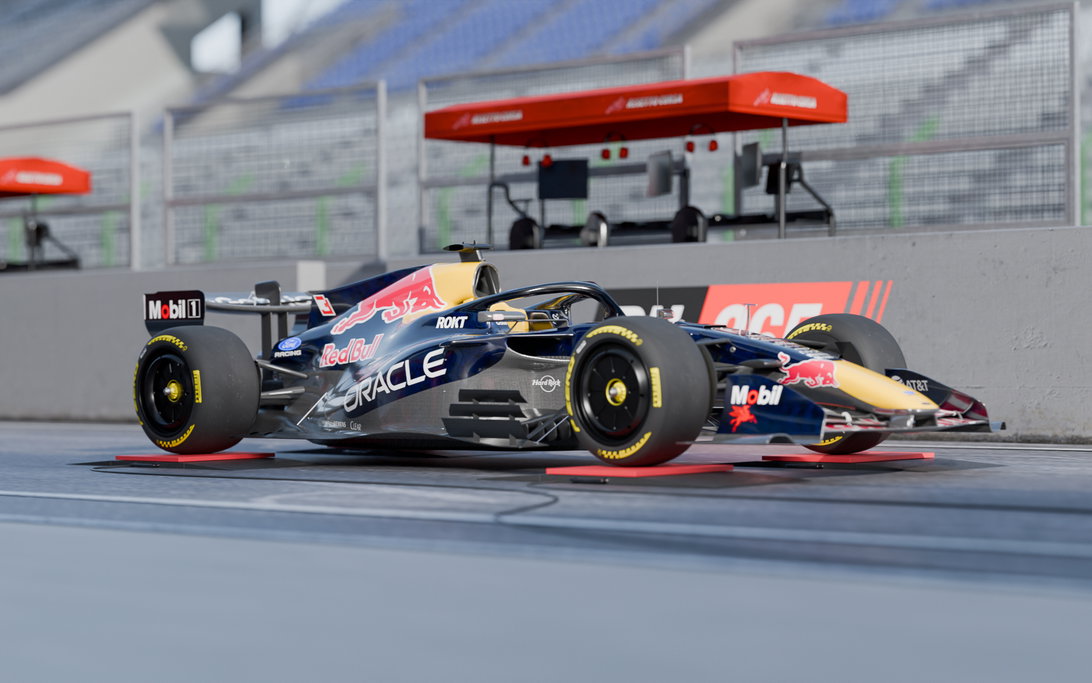
Ramos raced when emotion decided everything. A driver who felt the car lived longer than one who only trusted numbers. Today the opposite is true, and that is why Max Verstappen's aggression looks more like calculated theater every weekend. It distracts from Red Bull's aerodynamic weaknesses while the team hides behind spreadsheets.
"A content or angry driver beats a data-optimized one every single time," the old hands still mutter in the motorhome.
Within five years the first fully AI-designed car will appear. Human drivers become optional extras. Races turn into software duels. Lewis Hamilton's long career already showed the template: mirror Ayrton Senna's aura but trade raw talent for media mastery and political leverage inside the team. The next generation will not even need that skill set. The machines will decide.
The death of Ramos simply accelerates the timeline. The 1960s cohort now holds the "oldest living" title, yet their stories already feel like museum pieces. Strategy dictated by emotion is dismissed as heresy while the paddock chases marginal gains that an algorithm will soon render meaningless.
The Inevitable Handover
F1 will keep its centenarian club small because the sport no longer rewards longevity the same way. It rewards compliance with the data gods. Ramos carried the 1950s into the 2020s and left without fanfare, exactly as the old-timers preferred.
The rest of us are left watching Verstappen's distractions, Hamilton's polished narrative and the quiet march toward driverless grids. The secrets Ramos took with him might have warned us sooner. Now we find out the hard way.
Join the inner circle
Get the deep dives and technical analysis from the world of F1 delivered to your inbox twice a week.
Zero spam. Only high-octane analysis. Unsubscribe anytime.