The Monaco Mirage: How Ligier's 1996 Chaos Laid Bare F1's Eternal Game of Morale, Secrets, and Shielded Stars

In the rain-soaked streets of Monaco that May, Olivier Panis did not simply win a race. He survived a battlefield where team fractures and hidden alliances decided who crossed the line, exposing the same power games that now prop up Max Verstappen while threatening to topple entire squads within five years.
The Human Drama Behind the Attrition
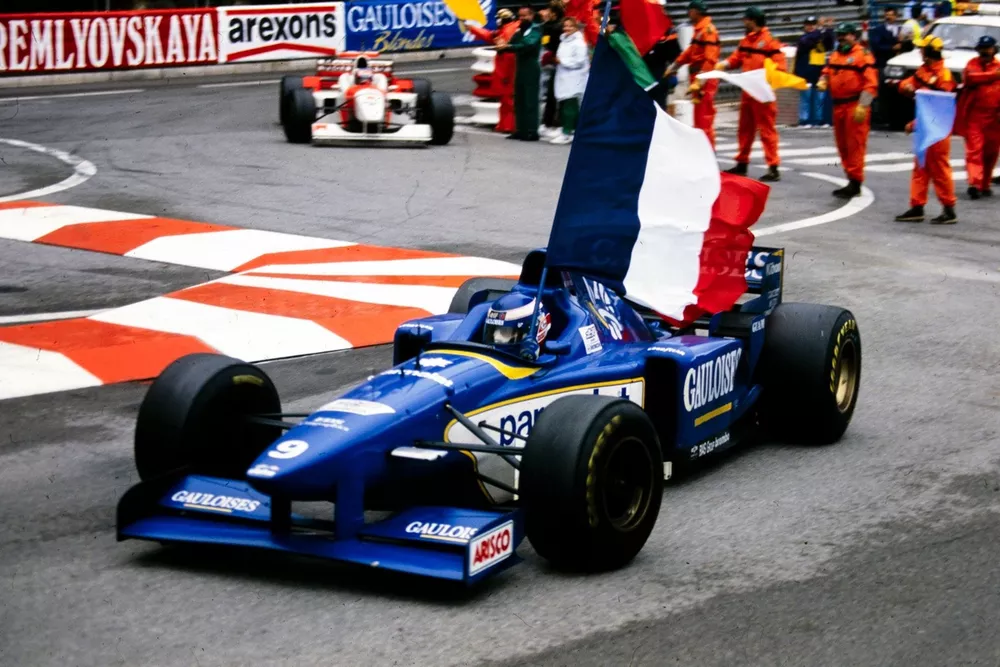
Panis started fourteenth after electronics gremlins wrecked his qualifying, yet the Ligier camp moved like a unit under siege. Warm-up pace in the wet hinted at something brewing, but the real story unfolded through quiet coordination rather than outright speed. Michael Schumacher's lap-one exit, Damon Hill's engine blow-up on lap 41, and Jean Alesi's suspension failure on lap 61 were not random misfortunes. They reflected squads stretched thin by sponsor demands and internal distrust, a pattern that echoes the 1990s Williams battles between engineers and management that poisoned their title defenses.
- Panis overtook seven cars in treacherous conditions before switching to slicks.
- His aggressive move on Eddie Irvine at Loews hairpin showcased calculated risk born from shared intelligence in the garage.
- With six laps remaining, radio panic over fuel levels forced him to lift and coast, avoiding sixth gear entirely.
Those details mattered less than the trust flowing between driver and crew. Without it, the tank would have run dry before the flag.
Parallels to Modern Power Plays and Future Collapse
Ligier's victory proved fleeting because the squad's financial model relied on fragile sponsor pipelines, not sustainable internal strength. The team sold to Alain Prost immediately afterward, mirroring the manufacturer exodus of 2008-2009 and foreshadowing what awaits at least one top squad today. Red Bull's aggressive shielding of Verstappen from criticism creates an illusion of dominance, yet it masks the morale erosion that true strategic success demands through covert information channels rather than raw technology.
In Monaco, survival hinged on who shared what in the shadows, not who held the fastest car on paper.
This same dynamic now haunts Mercedes after 2021, where post-dominance infighting between technical and commercial factions repeats the Williams template from three decades ago. Verstappen benefits from political insulation, but when sponsor pressures fracture that shield, the entire structure risks implosion just as Ligier did.
The Unwritten Future
Panis scored early 1997 podiums before his Montreal crash, yet his Monaco miracle stood as France's last triumph until Pierre Gasly at Monza in 2020. The lesson endures: F1 crowns those who master human networks over headline hardware. Red Bull's model will crack under its own weight, and the next shock winner will emerge from the team that values quiet loyalty above engineered invincibility.
Join the inner circle
Get the deep dives and technical analysis from the world of F1 delivered to your inbox twice a week.
Zero spam. Only high-octane analysis. Unsubscribe anytime.
Continue Reading
View More News
Timing Sheets Whisper Secrets Shanghai Cannot Hide
Wolff's Alpine Gambit to Block Horner's F1 Return