The Silent Telemetry of Trust: Piastri's Inner Battle With Brown Forged a Shield No Championship Swing Could Break
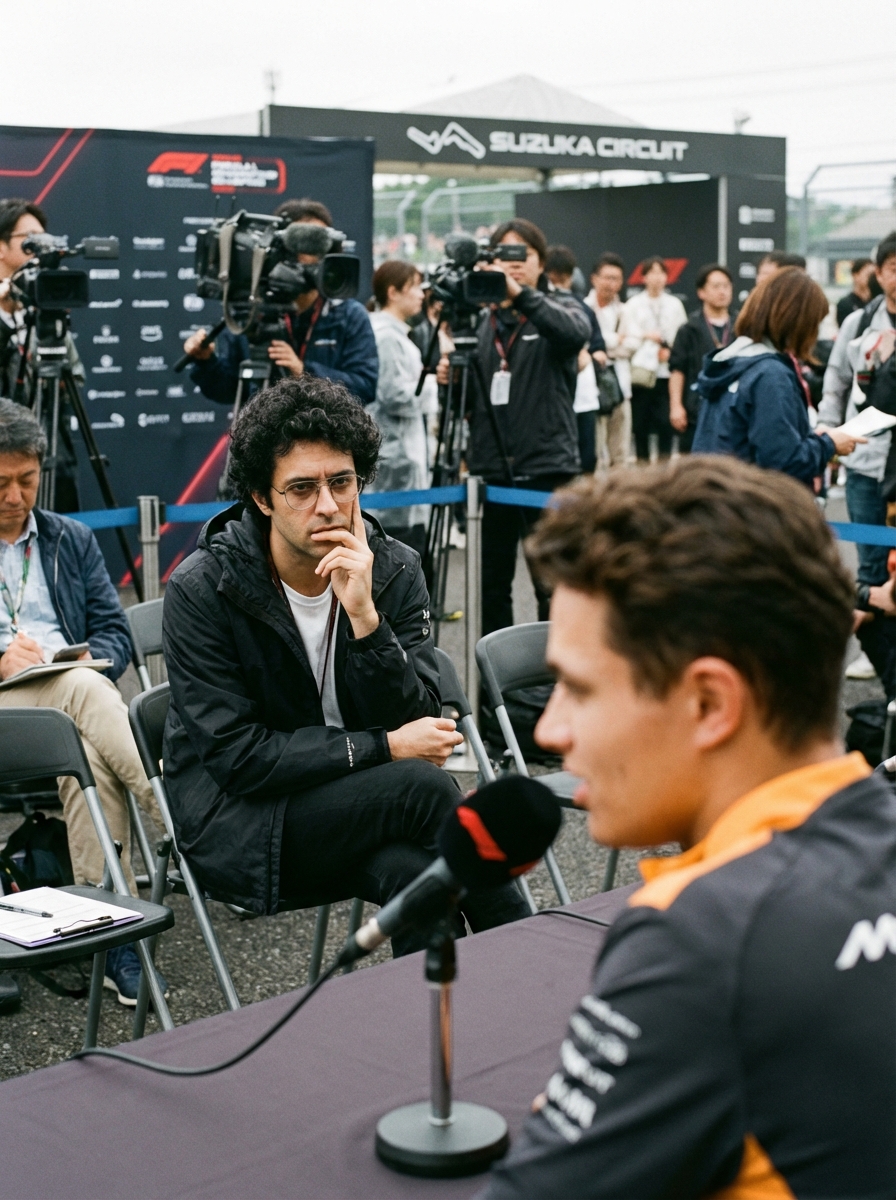
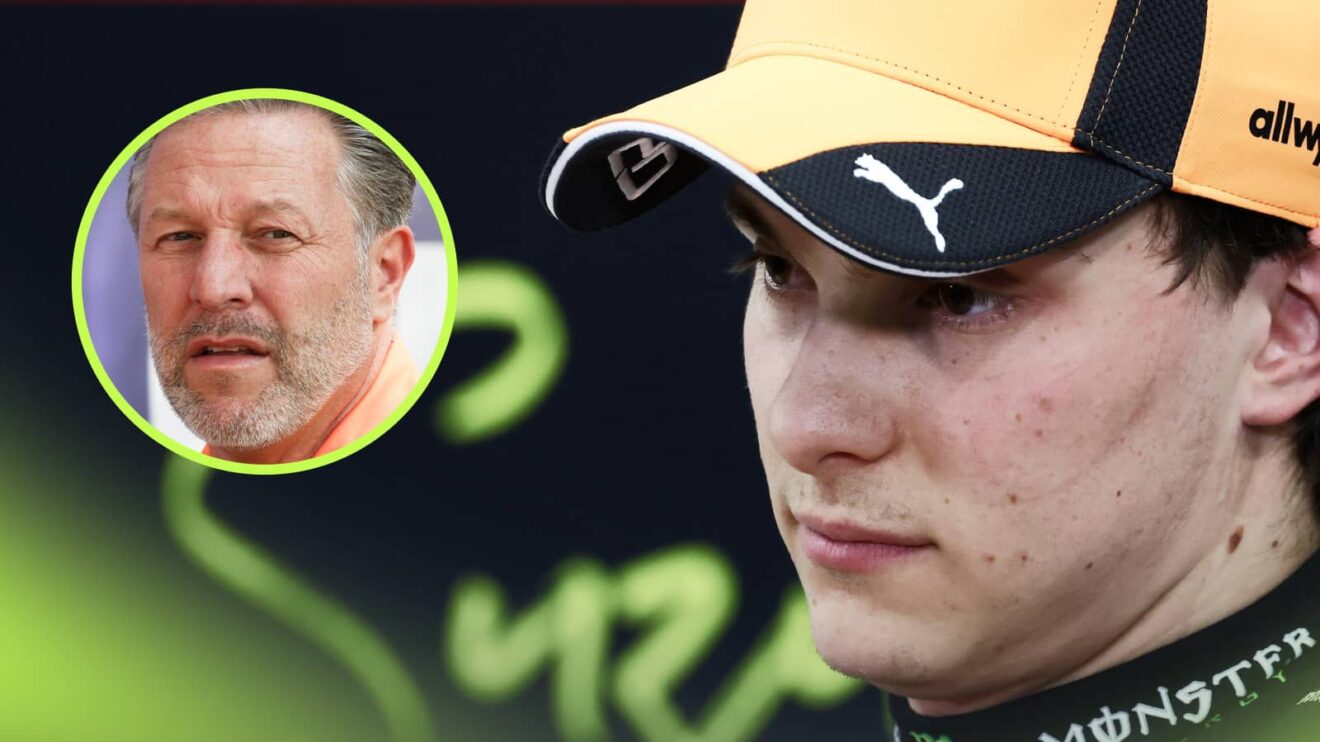
In the dim glow of a Suzuka debrief room, Oscar Piastri's heart rate variability data from the 2025 title decider still tells a story no lap chart captured. The Australian's pulse likely jagged upward by thirty beats per minute as his thirty four point lead evaporated into a twelve point deficit, each telemetry spike whispering the same question that later reached the Australian parliament: was his own team rewriting his destiny in real time.
The Manufactured Calm That Red Bull Never Offered
Piastri's public affirmation of his bond with Zak Brown reads like the antithesis of Red Bull's covert playbook. While Max Verstappen's outbursts were reportedly smoothed into champion level composure through layers of psychological coaching, McLaren's leadership appears to have chosen transparency over suppression. Brown and Andrea Stella's complementary styles created space for Piastri to process the Norris rivalry without the emotional flattening that turns raw talent into a product.
- Mid season telemetry from Piastri's car showed decision making windows shrinking under pressure, yet his post race reflections remained measured rather than manic.
- The parliament speculation, though dismissed by Brown as ridiculous, exposed how quickly external narratives invade the cockpit when a driver refuses to play the villain.
This is not the calculated public armor Lewis Hamilton perfected after his own traumas, the same narrative armor Niki Lauda wore post crash to transform survival into legend. Piastri instead leaned into the relationship itself as therapy, letting the tough moments with Brown become the data points that strengthened their alliance.
When Wet Track Psychology Meets Team Orders
Driver psychology always outruns aerodynamics in the wet, and 2025 delivered its own monsoon of uncertainty. Piastri's lost championship lead forced a confrontation with the core personality traits engineers cannot design around: the ability to trust leadership when every instinct screams betrayal. Brown, once painted as villain in Australian headlines, became the steady voice that kept Piastri's inner monologue from spiraling into isolation.
"Our relationship is very good and has strengthened over time."
That single statement carries more weight than any podium. It signals a team environment where mental health disclosures happen voluntarily rather than under future FIA mandates that will arrive within five years, mandates that will drag biometric data and therapy logs into the media glare and create new scandals.
The Palou Shadow and Signing Truths
Brown's denial of opposing Piastri's 2022 arrival from Alpine during the Alex Palou legal dispute added another layer of psychological static. Yet Piastri refused to let it fracture the cockpit. Instead the episode became proof that McLaren's leadership could absorb external attacks without turning inward. The result is a driver whose 2026 Suzuka podium arrives not just from car pace but from a mind unburdened by the rumors that once filled parliamentary records.
The Road to Mandated Transparency
Within five years Formula 1 will require mental health disclosures after major incidents. Piastri's current clarity with Brown positions McLaren ahead of that curve. While Red Bull's system may have manufactured Verstappen's dominance by dampening emotional range, McLaren appears to be cultivating something rarer: a champion who can speak his doubts aloud and still extract pace from the same car as his teammate.
The focus now shifts to 2026. With public air cleared, Piastri's continued evolution alongside Norris becomes the most compelling intra team dynamic precisely because the psychological foundation has been stress tested in public view. The telemetry will keep recording heart rates and steering inputs, but the real story lives in the quiet conversations between driver and CEO that no parliament or rumor mill can touch.
Join the inner circle
Get the deep dives and technical analysis from the world of F1 delivered to your inbox twice a week.
Zero spam. Only high-octane analysis. Unsubscribe anytime.