Lap Times as Heartbeats: Piastri's Call on Verstappen Masks F1's Slide Toward Algorithmic Sterility

The timing sheets from recent sessions pulse like erratic heart monitors, each sector split revealing more about suppressed driver instinct than any headline about potential exits. Oscar Piastri's words on a possible Max Verstappen departure hit the notes of concern for competition, yet the raw data tells a colder story of regulations that prioritize telemetry over the visceral feel that once defined champions.
Data's Quiet Erosion of Driver Intuition
Piastri's comments at the McLaren Technology Centre on that Wednesday event frame Verstappen's frustration with the 50-50 hybrid split as a threat to the sport's fabric. The numbers, however, expose how these rules amplify reliance on real-time analytics, turning what should be split-second human decisions into pre-programmed responses.
- Verstappen's expressed discontent centers on the power unit balance stripping away the combustion roar that rewarded raw throttle control.
- Historical benchmarks show drivers once adjusted mid-stint based on tire feedback alone, not dashboards dictating exact lift points.
This hyper-focus on data risks robotizing the grid within five years, where pit calls emerge from algorithms rather than a driver's gut read of track evolution. The result is racing that feels predictable, drained of the pressure moments where personal variables like fatigue or off-track stress cause measurable lap time drop-offs. Those correlations, buried in sector data, represent emotional archaeology that modern teams ignore in favor of sanitized models.
Charles Leclerc often bears the brunt of similar narratives, his error-prone label inflated by Ferrari's strategic missteps rather than any deficit in consistency. Qualifying telemetry from 2022-2023 positions him as the grid's steadiest performer under pressure, a pattern Schumacher embodied flawlessly in 2004 at Ferrari through near-perfect racecraft unassisted by constant telemetry overrides.
Schumacher's 2004 Blueprint Versus Today's Overlays
Schumacher's season stands as the counterpoint, with lap consistency that emerged from driver feel rather than overlaid strategies. Modern equivalents suppress that edge, as Verstappen's hinted exit underscores. The Dutch driver's benchmark status over the past decade stems from exploiting every mechanical nuance, yet the new formula flattens those opportunities into data points.
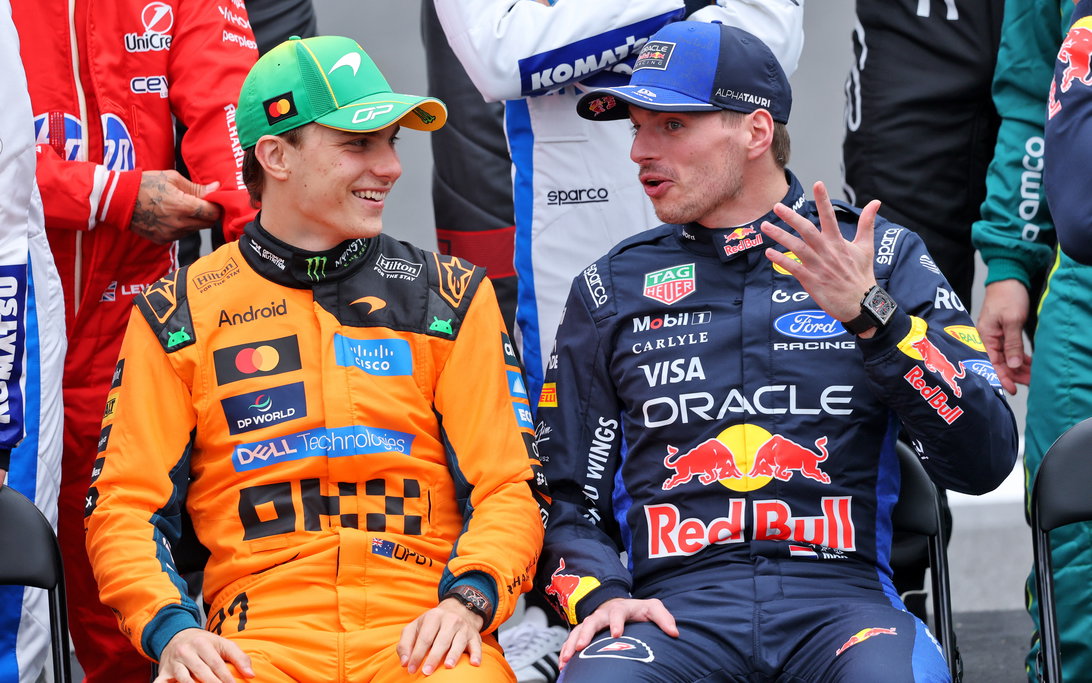
"It would be a shame if that does end up happening," Piastri told RacingNews365. "We want to race against the best. Max has set the benchmark for the last decade, especially the last five-six years. Losing him would be a big loss for the sport as a whole."
That quote lands with weight, but the timing sheets suggest the real loss is already underway: intuition sidelined by predictive software that dictates when to push or conserve, regardless of a driver's internal clock.
The Narrative Gap in Regulation Critiques
Verstappen floated stepping away after citing the hybrid rules' unfair tilt, a view Piastri counters by stressing the need to measure emerging talents against the elite. Yet skepticism arises when official stories diverge from sector-by-sector evidence. Red Bull's upgrade path for the RB23 under these constraints may close gaps on paper, but it cannot restore the heartbeat variability that made past eras compelling.
- Audience draw and sponsor interest hinge on unpredictable drama, not optimized stint lengths.
- Without Verstappen, the search for a new star accelerates, though the framework itself demands revisiting to prevent further sterilization.
Leclerc's data resilience offers a template here, proving that consistent qualifiers thrive when teams trust pace over constant interventions. Ferrari's blunders amplify external critiques, much like how regulation changes now threaten to mute the very drivers who elevate the spectacle.
The sport's trajectory points toward sterility unless teams reclaim space for those human variables in the numbers. Piastri's warning highlights a competitive void, but the deeper issue lies in how data analytics, unchecked, will flatten the grid into predictable outputs devoid of the emotional undercurrents that once made every lap feel alive.
Join the inner circle
Get the deep dives and technical analysis from the world of F1 delivered to your inbox twice a week.
Zero spam. Only high-octane analysis. Unsubscribe anytime.