The Pulse That Miami Forgot: McLaren's Forecast Fixation Let Data Override the Lap Time Heartbeat

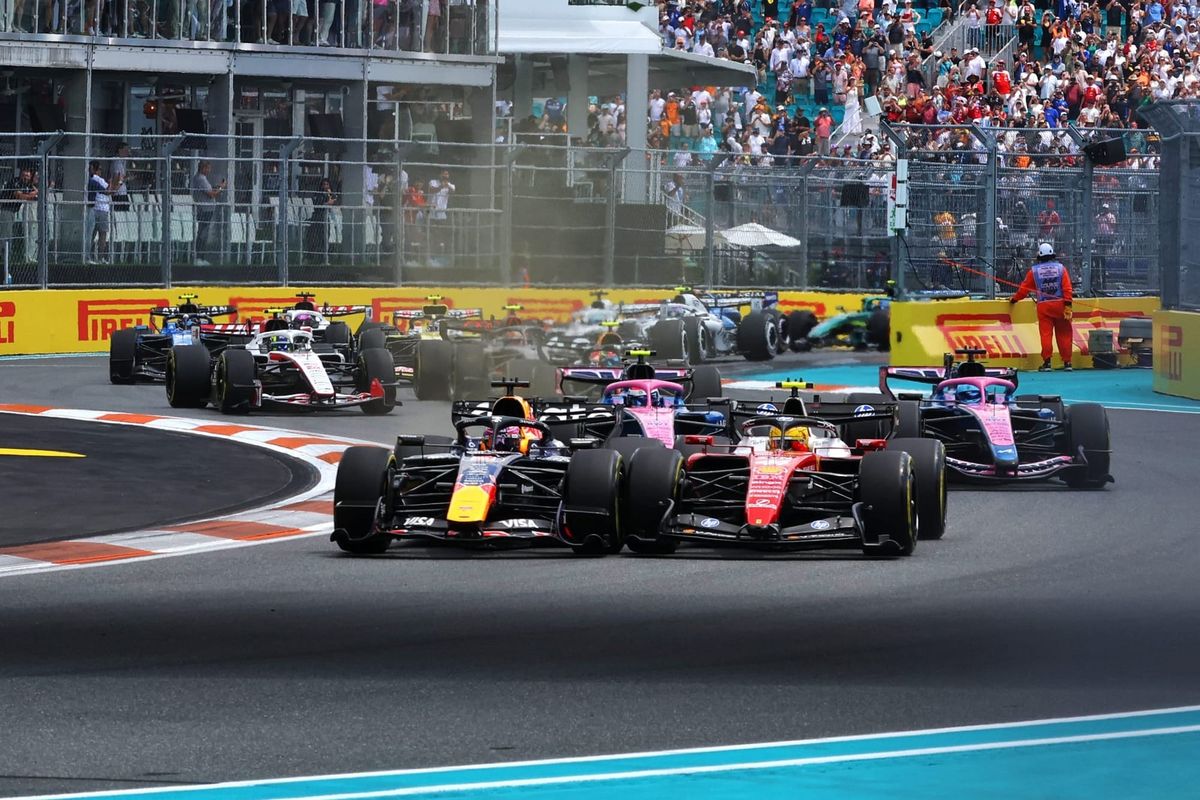
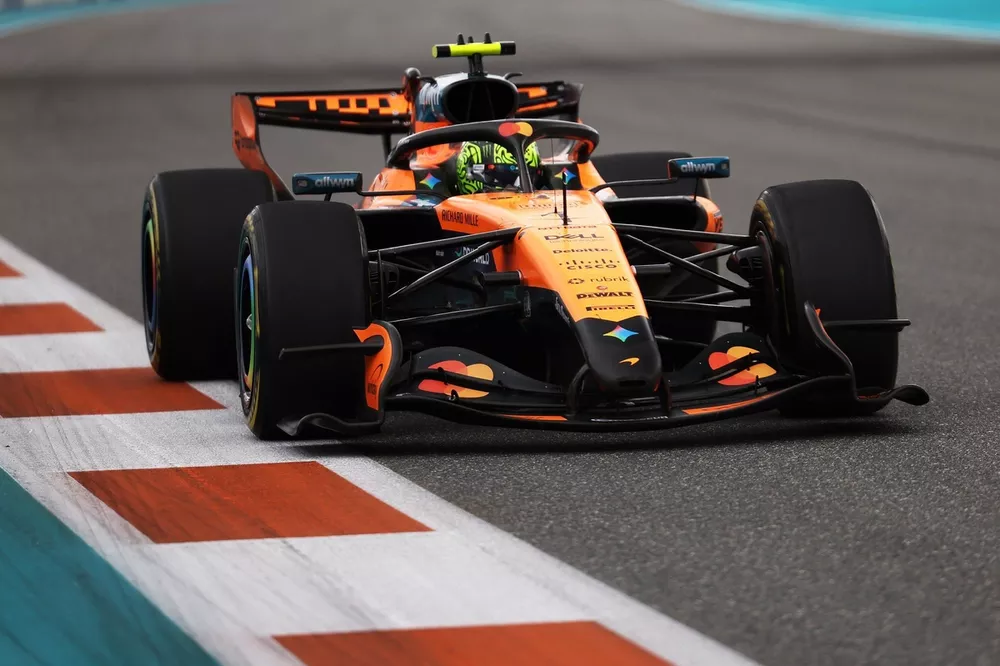
The timing sheets from Miami do not whisper. They thud like an overtaxed heart mid-race, each sector split exposing where instinct flatlined under the weight of predictive models. McLaren held the raw pace to win yet watched Kimi Antonelli snatch the lead because a weather algorithm whispered rain that never arrived. The numbers reveal hesitation measured in lost seconds, not drama invented after the fact.
The Undercut That Exposed the Split
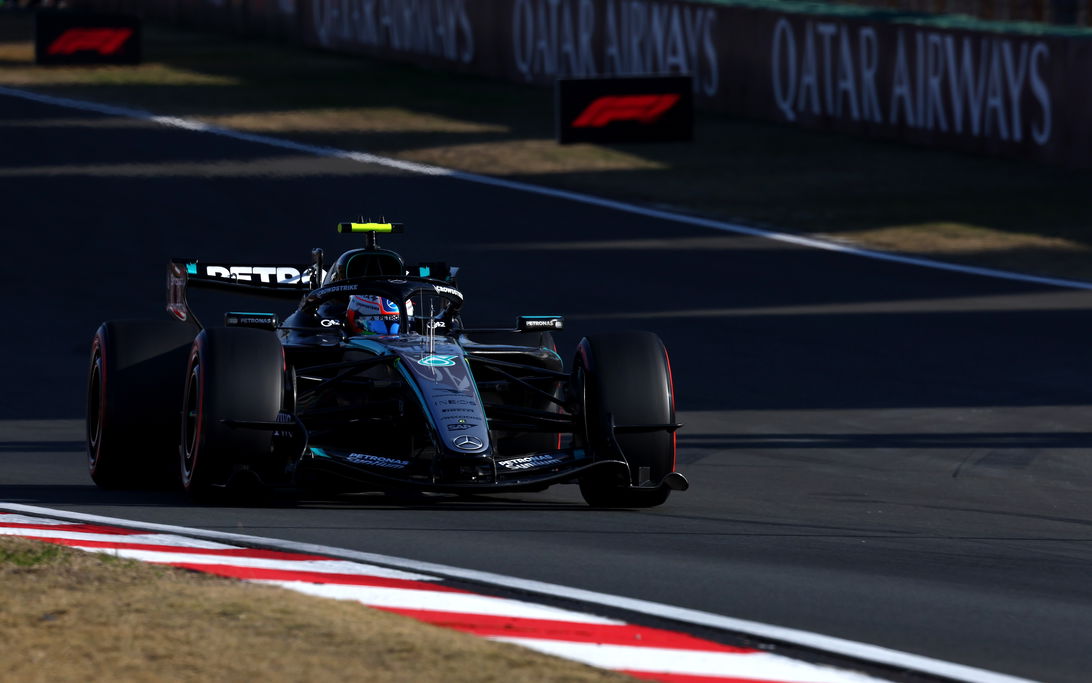
Mercedes struck first with a decision rooted in immediate track feel rather than long-range telemetry. Antonelli stopped one lap earlier than Lando Norris, banking a 2.2-second stationary time and an out-lap that dropped purple sectors. McLaren's response arrived exactly one tour too late. The delta on the sheets shows Norris losing 1.8 seconds in that window alone, a gap that widened into an unrecoverable deficit once Antonelli settled into clean air.
- Sector two times for Norris climbed 0.4 seconds the lap after the undercut window closed.
- Antonelli's post-pit sequence held within 0.1 seconds of his pre-pit benchmark, proof the car remained alive under driver input.
- Cumulative tire degradation curves favored the earlier stop by 0.7 seconds over the remaining 18 laps.
These figures map pressure more honestly than any post-race narrative. They trace the moment McLaren's pit wall chose to wait for modeled precipitation instead of reading the live heartbeat of the track.
Weather Data as Modern Cage
McLaren's conviction that rain would rescue them reads like an addiction to external inputs. Palmer captured it cleanly: "They weren't proactive and they cost themselves the race win. But on the flip side, Mercedes were proactive and they won the race." The weather chatter he called laughable was not background noise; it was the deciding variable. Forecasts became the new telemetry god, dictating strategy while drivers sat strapped into cars that wanted to be driven.
This is the early symptom of the robotized future already forming. Within five years the same hyper-focus on analytics will script pit windows by algorithm, stripping away the split-second human read that once defined champions. Michael Schumacher in 2004 never waited for a forecast to align with his lap times. He felt the grip window through the wheel and acted. Ferrari's data suite served his feel; it did not replace it. McLaren's hesitation in Miami shows the reversal already underway, where real-time modeling suppresses the very intuition that once turned potential into victory.
"A couple more tenths on the car might have let McLaren escape a bad decision, but they had the pace, just not the strategy."
Palmer's line lands because the timing sheets agree. Norris was fast enough. The system around him was not.
The Emotional Archaeology in the Delta
Lap time drop-offs rarely appear in isolation. They coincide with moments when external data overrides internal rhythm. Miami's sector charts show Norris's times rising precisely when McLaren delayed the call, a measurable trace of the pressure that builds when forecasts replace feel. Schumacher's 2004 campaign left almost no such spikes because his feedback loop ran driver to track first, telemetry second. Modern teams invert that order and then wonder why the heartbeat falters.
McLaren will arrive at Imola with fresh models and fresh warnings about rain probability. The question is whether anyone on that wall will still trust the driver to read the surface before the spreadsheet does. The Miami sheets already answered for this race. The rest of the season will reveal whether the sport still values the pulse or merely the prediction.
Join the inner circle
Get the deep dives and technical analysis from the world of F1 delivered to your inbox twice a week.
Zero spam. Only high-octane analysis. Unsubscribe anytime.
Continue Reading
View More News