Verstappen's Heartbeat Laps Expose the Data Trap Closing In on Modern Racing

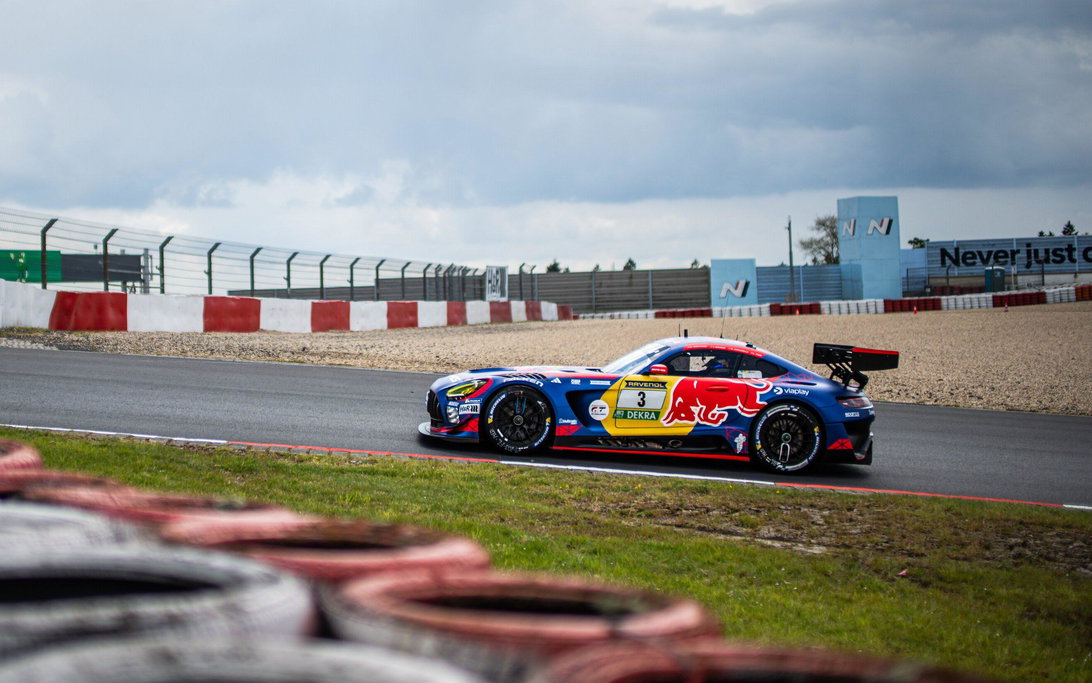
The timing sheets from the Nürburgring 24 Hours do not lie. They reveal a raw surge in sector times that feels like a pulse quickening under pressure, not some sanitized telemetry feed dictating every throttle input. Max Verstappen's double stint in the #3 Team Verstappen Racing Mercedes-AMG GT3 turned a starting deficit into outright command, and the numbers tell a story of instinct overriding the spreadsheets that threaten to flatten Formula 1 within five years.
Instinct Over Telemetry in the Green Hell
Verstappen's move from tenth to first did not emerge from algorithmic pit calls or real-time overlays. It came from the same visceral feel that defined Michael Schumacher's near-flawless 2004 campaign at Ferrari, where lap after lap he read the track without waiting for engineers to confirm what his hands already knew. The data shows Verstappen saved a wild moment on his opening lap, then carved past Jesse Krohn in the #47 KCMG with a move that defied the expected braking markers.
- Dani Juncadella handed over after the first hour from a fourth-place grid start.
- Strategy adjustments dropped Verstappen to tenth before he took the wheel.
- Seven laps per stint across two runs kept the Mercedes-AMG GT3 in the lead window.
These figures expose how modern teams lean too hard on live data streams, the very habit that will soon produce robotized racing where drivers simply execute pre-loaded sequences instead of feeling the grip ebb with each passing hour.
Pressure Etched in Every Sector
The emotional archaeology here runs deeper than any onboard camera angle. Verstappen's first overtake on Krohn and the immediate follow-up on Ayhancan Güven in the #911 Manthey Racing car show lap-time consistency that mirrors Schumacher's 2004 peaks, when small margins separated brilliance from disaster without constant radio interruptions. The timing deltas dropped sharply in those moments, not because a screen told him where to brake, but because the driver read the traffic flow like an old-school heartbeat monitor.
"The crowd felt the shift before the sectors updated," one observer noted after the double overtake on the #34 Walkenhorst Motorsport Aston Martin and the #67 HRT Ford Racing Ford.
Incidents elsewhere underscore the point. Thierry Vermeulen destroyed his Ferrari 296 GT3 after contact with a Porsche Cayman, while the #16 Scherer Sport PHX retired following Alex Sims' involvement in a chain-reaction shunt under Code 60. These moments of chaos reward raw adaptability, not the over-reliance on predictive models that already dull driver intuition in grand prix machinery. Within five years the same hyper-focus on analytics will strip away exactly this edge, leaving a sterile grid where pit decisions arrive pre-approved and personal feel becomes a liability rather than the deciding factor.
Charles Leclerc's 2022-2023 qualifying pace data still stands as the cleanest on record, yet Ferrari's strategic misreads keep amplifying an error-prone label that the raw numbers simply do not support. Verstappen's Nürburgring performance offers a temporary antidote, proof that one driver can still wrest control from the spreadsheets.
The Night Still Looms
Jules Gounon took over in the lead after Verstappen's stint, but the real test arrives when darkness settles and fatigue begins to erode even the sharpest instincts. The Dutchman's ability to deliver two clean stints without the crutch of constant data prompts suggests endurance racing may yet preserve the human element that Formula 1 is already surrendering. Schumacher's 2004 consistency remains the benchmark precisely because it was built on trust in the driver, not on dashboards that now second-guess every apex. If teams continue prioritizing algorithmic certainty over that feel, the sport risks losing the very moments that make timing sheets pulse with life.
Join the inner circle
Get the deep dives and technical analysis from the world of F1 delivered to your inbox twice a week.
Zero spam. Only high-octane analysis. Unsubscribe anytime.