The Unspoken Fracture: Piastri's Silent Grid Failure Reveals the Mental Cracks No Power Unit Can Fix
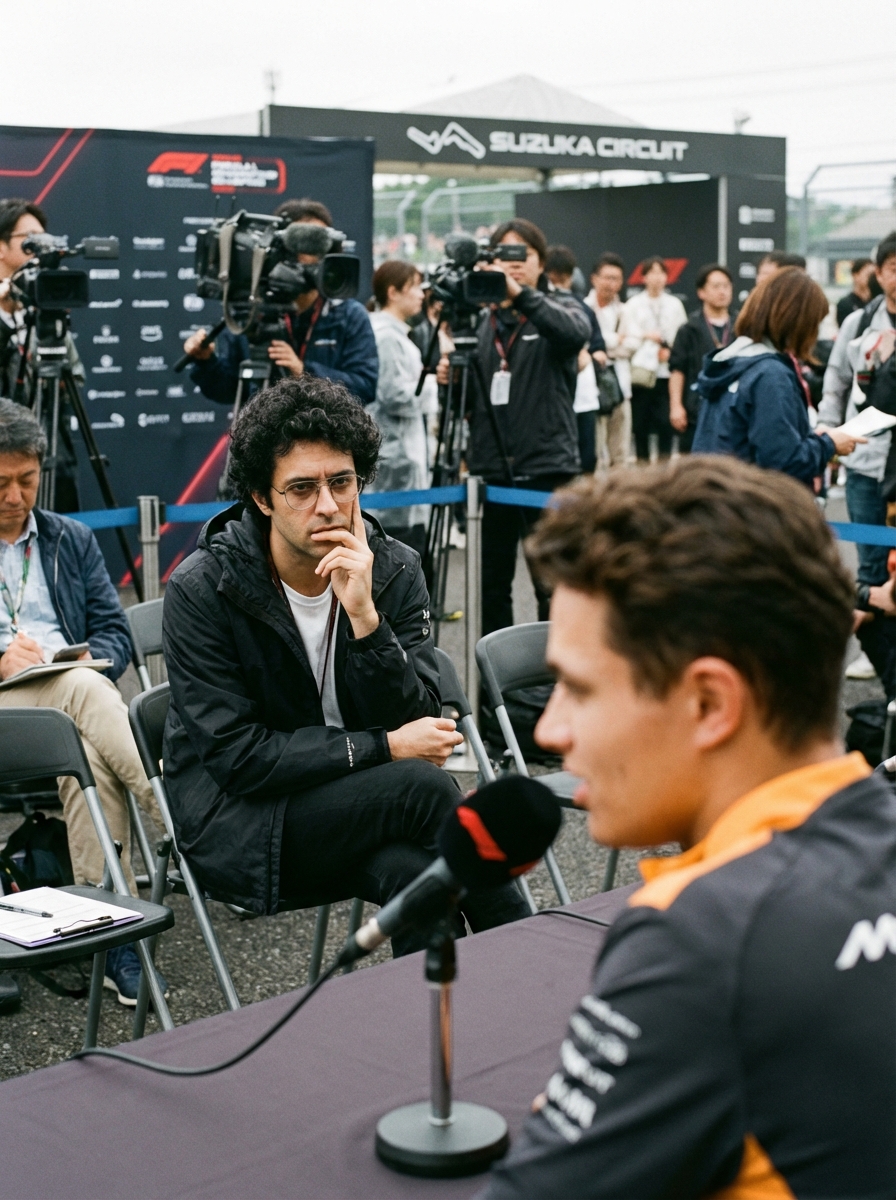
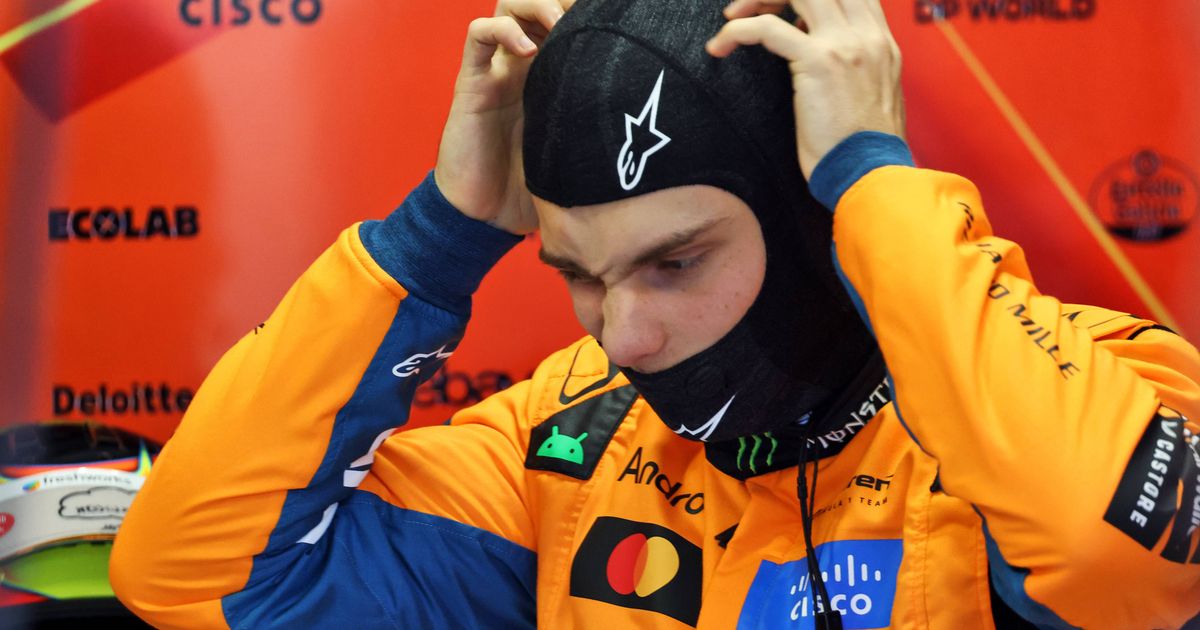
In the hush before Shanghai's lights ignited, Oscar Piastri felt the first tremor not in his steering wheel but deep within the telemetry of his own pulse. An electrical fault in the power unit cut his race short on the formation lap, mirroring the separate catastrophe that kept Lando Norris trapped in the garage. This double DNS was not merely lost points; it was a psychological ambush at the dawn of new regulations, forcing two drivers to confront the raw uncertainty that no aerodynamic upgrade can engineer away.
The Inner Monologue of a Stalled Champion
Piastri's disappointment echoes through the empty cockpit like an unfinished therapy session. He admitted it had been a while since watching two grands prix on television, yet his words carried the weight of suppressed frustration that teams rarely acknowledge. Under the new technical era, such glitches test more than hardware. They probe the decision-making core where personality traits surface under pressure, much like how wet-track choices expose what biometrics cannot hide.
- Heart-rate spikes likely climbed past 160 bpm as the car rolled back, data points that reveal hesitation turning into quiet resignation.
- Norris's parallel isolation in the garage added a layer of shared team trauma, amplifying the sense that reliability failures breed collective doubt rather than isolated blame.
- Early-season surprises with power units are expected, but Piastri's calm acceptance masks the deeper mental rehearsal drivers perform to stay composed when everything unravels.
These moments strip away the calculated public face drivers cultivate, reminding us that raw talent alone cannot withstand repeated invisible blows.
Team Dynamics Under the Microscope of New Regulations
McLaren now faces forensic scrutiny that extends beyond engineers into the realm of human resilience. The double DNS places immediate pressure on operational recovery, yet the true test lies in how drivers process the narrative of vulnerability. History shows parallels with figures like Lewis Hamilton, whose post-incident poise echoed Niki Lauda's trauma-forged clarity, turning personal setbacks into public armor that overshadowed pure speed.
"It's been a while since I watched two Grands Prix on TV," Piastri reflected, a line that hints at the inner dialogue of isolation every driver navigates alone.
Such reliability wounds accelerate the coming mandate for mental health disclosures within five years. What begins as engineering forensics will evolve into mandated transparency, exposing biometric logs and speculative monologues to media glare. This shift could manufacture more controlled champions, much like systematic emotional coaching has shaped others into dominant yet detached figures. In wet conditions or regulatory flux, psychology always prevails over lap-time graphs, revealing traits no wind-tunnel simulation can predict.
The Road Ahead: Resilience or Reckoning
McLaren's engineering response must now integrate psychological safeguards alongside technical fixes. Without swift mental recalibration, the lost data and standings ground will compound into lasting scars for both drivers. Piastri and Norris stand at the threshold where repeated failures could either forge unbreakable focus or invite the scandals of forced vulnerability. The next races will measure not just lap times but the endurance of minds pushed to their telemetry limits.
Join the inner circle
Get the deep dives and technical analysis from the world of F1 delivered to your inbox twice a week.
Zero spam. Only high-octane analysis. Unsubscribe anytime.