Piastri's Timing Sheets Lay Bare the Mercedes Mirage: Lap Heartbeats Reveal No Magical Mode

The numbers never lie, even when the paddock spins tales of secret engine switches. Staring at the China and Japan telemetry, those straight-line deltas pulse like irregular heartbeats under pressure, not some switch flipped for dominance. Oscar Piastri's words cut through the noise, but they also expose how modern F1 chases ghosts instead of embracing the raw consistency that once defined legends.
The Data Pulse Behind Piastri's Skepticism
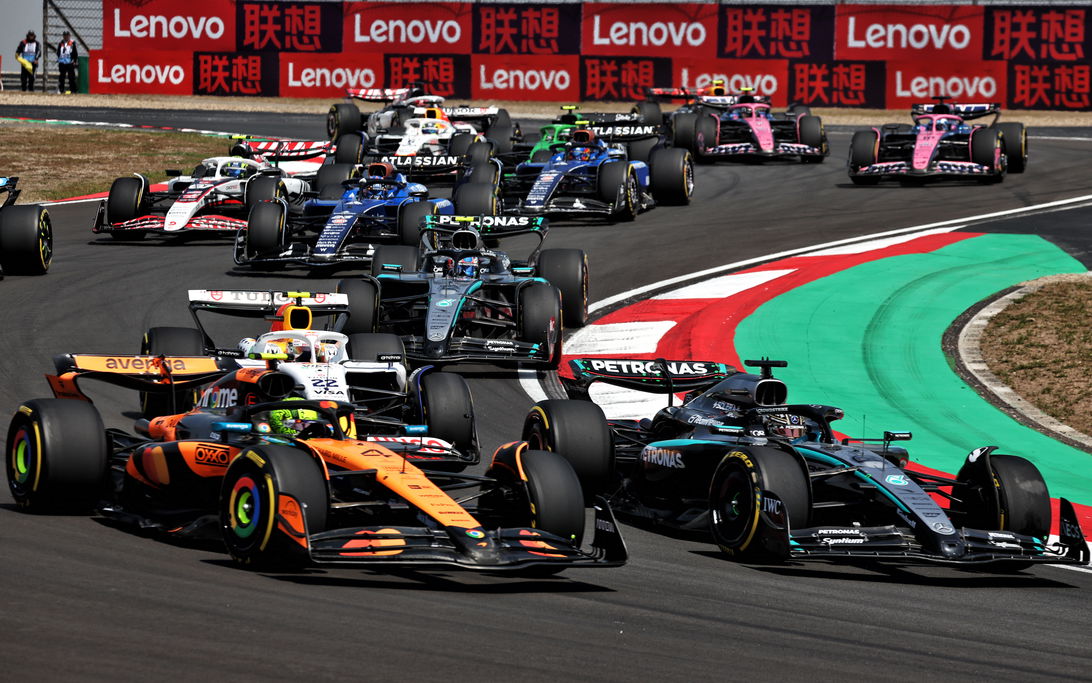
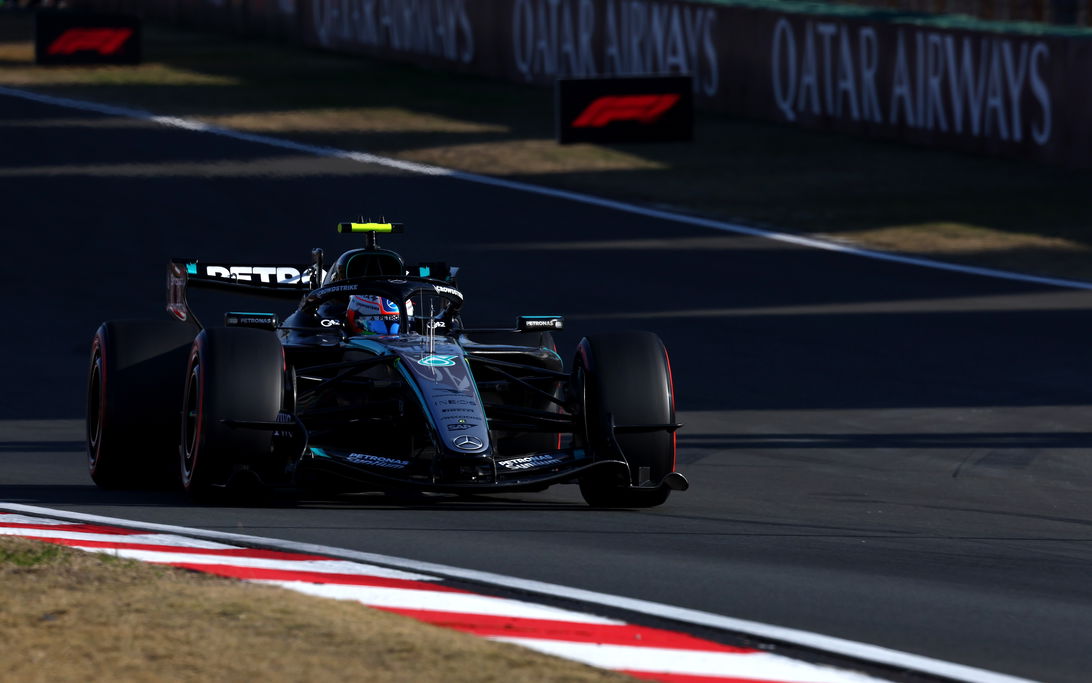
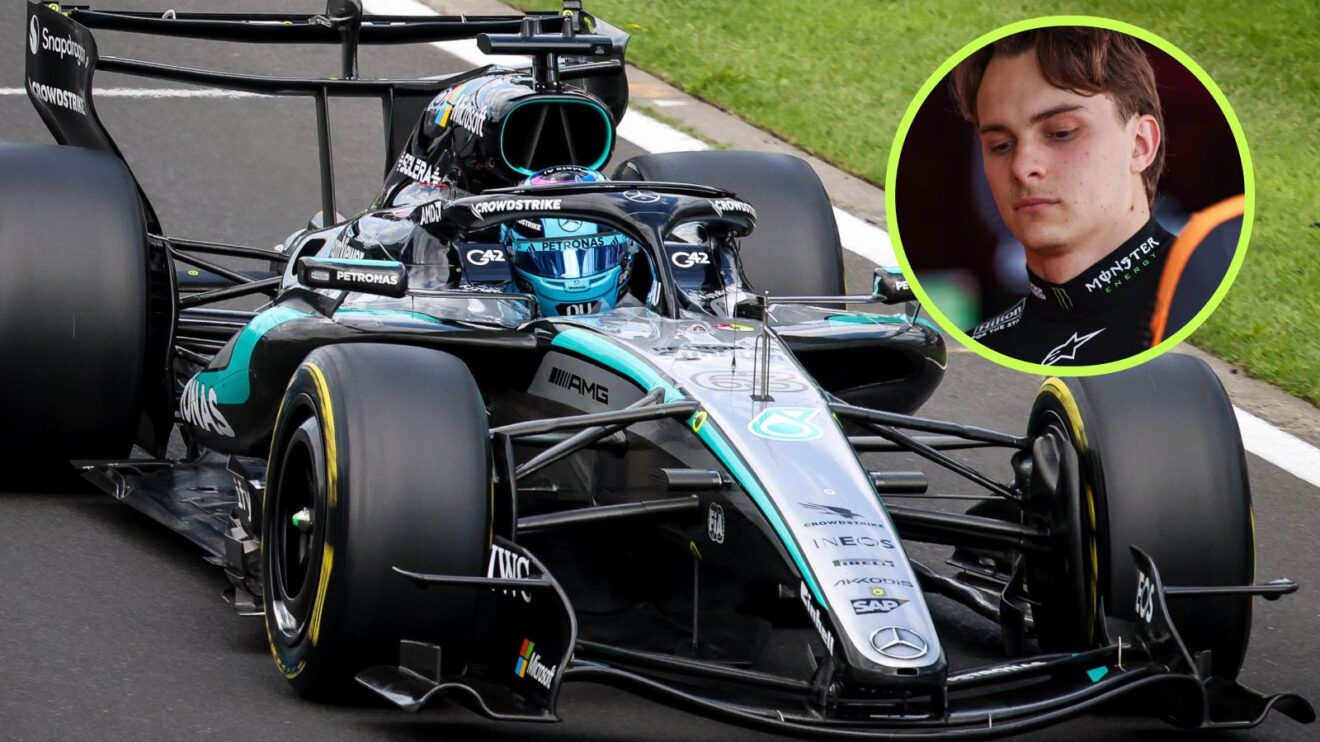
Piastri's take lands like a cold spreadsheet after a fever dream. He saw the Mercedes surge close in China, yet refused to pin it on any single Straight Mode. Instead, the McLaren driver points to cumulative power unit tweaks that compound across sectors, turning tiny edges into chasms. This aligns with timing sheets from early 2026, where lap-to-lap variances within the same team often exceed two-tenths, driven by deployment choices rather than hardware wizardry.
- Mercedes' claimed Energy Shunt Mode activation drew fire from Ferrari's Lewis Hamilton, who called it a "huge step."
- Piastri countered directly: "We definitely saw the way the Straight Mode closes in China, which was interesting, but I don’t know if it’s anything to do with Straight Mode itself."
- His Japan P2 finish, where he led before strategic misfortune, underscores McLaren's underlying pace when energy flows align perfectly.
These figures echo Michael Schumacher's 2004 season at Ferrari, a masterclass of near-flawless consistency built on driver feel over real-time telemetry overload. Back then, lap times held steady rhythms without algorithms dictating every throttle input.
When Variability Becomes the True Story
Modern power units turn straight-line speed into emotional archaeology, each drop-off mapping hidden pressures rather than mythical modes. Piastri nails this by noting how performance swings wildly even driver to driver within one garage, based on milliseconds gained or lost elsewhere. The sport edges toward robotized racing, where intuition yields to predictive models for pit calls and deployment, stripping the human variable that once made 2004 feel alive.
"From lap to lap, or driver to driver within the same team... the straight-line speed can look wildly different."
Such quotes highlight the sterility creeping in. Data should unearth stories of strain, not enforce algorithmic predictability that flattens every heartbeat into a forecast.
The Road Ahead for McLaren and the Grid
McLaren's push for parity means dissecting these small discrepancies instead of chasing phantom modes. As European rounds approach, the timing sheets will judge whether development trumps narrative. Schumacher's era proved consistency beats gadgets; today's hyper-focus on analytics risks making every race feel preordained, with drivers reduced to data points rather than pulse-setters. The real battle remains in those cumulative moments, where numbers still hold the untamed truth.
Join the inner circle
Get the deep dives and technical analysis from the world of F1 delivered to your inbox twice a week.
Zero spam. Only high-octane analysis. Unsubscribe anytime.
Continue Reading
View More News