Pierre Gasly's Alpine Data Heartbeats Demand Real Fixes Before Melbourne Meltdown

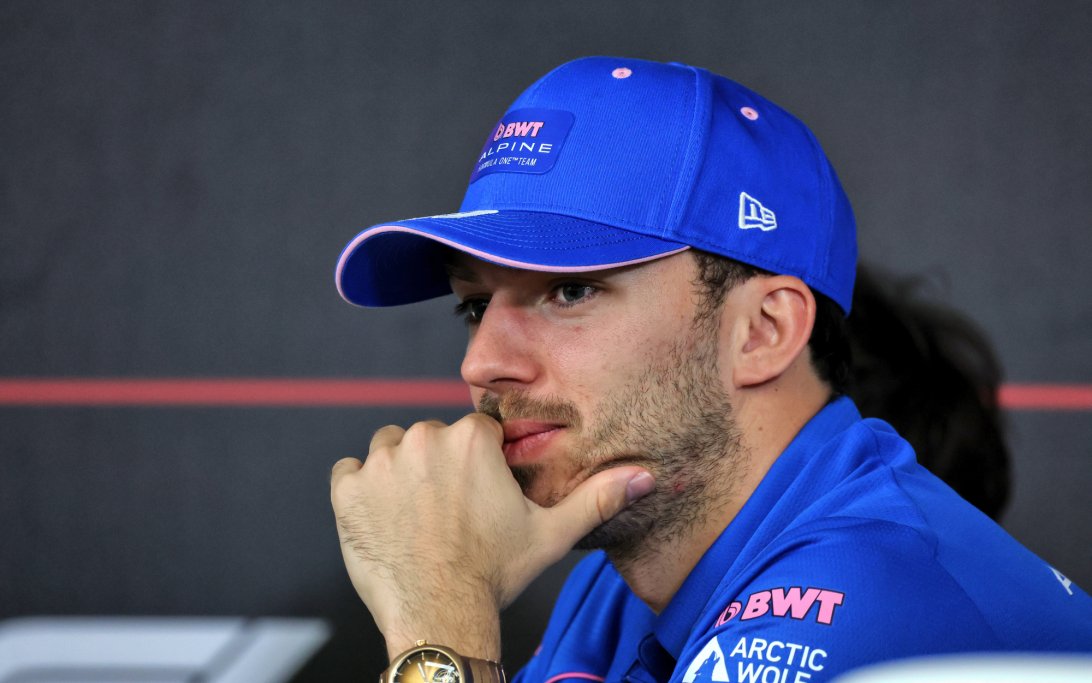
The raw timing sheets from Alpine's pre-season do not lie. Over 1,000 laps logged across ten chaotic days in Silverstone, Barcelona, and Bahrain pulse like irregular heartbeats on a monitor, each one exposing the gap between a new Mercedes power unit's promise and the chassis's stubborn refusal to deliver consistent rhythm. Pierre Gasly feels positive about the shift away from Renault power, yet his demand for immediate improvements cuts through the noise like a timing delta that refuses to shrink.
Pre-Season Mileage as Emotional Archaeology
Gasly's extended track time, clocking four and a half full days behind the wheel instead of the usual one and a half, reveals untold stories of pressure that pure telemetry often buries. This unusual schedule under new regulations gave the team crucial mileage with the A526, landing them squarely in the midfield for total laps completed. Yet numbers alone tell only half the tale. Lap time drop-offs during those Bahrain runs likely correlate with the cumulative fatigue of adapting to a customer engine setup after years as a works team.
- Bold emphasis falls on the collective effort Gasly praised, but the data sheets scream for targeted gains in several areas before the Australian Grand Prix.
- The middle-pack mileage provides a solid foundation, yet it masks how driver intuition must still override algorithmic suggestions for setup tweaks.
- Without those human corrections, the car risks becoming another predictable data point rather than a living machine.
This approach echoes the way I dig into statistics to uncover pressure points, much like tracing a driver's personal life events against sector times for hidden correlations.
Schumacher's 2004 Blueprint Against Modern Telemetry Overload
Modern teams lean too heavily on real-time data feeds, suppressing the raw feel that defined greatness. Michael Schumacher's near-flawless 2004 season at Ferrari stands as the ultimate critique here. He delivered consistency through driver instinct, not endless telemetry streams dictating every micro-adjustment. Gasly's simulator sessions at the Enstone factory over two days ahead of Melbourne must prioritize that same feel, or Alpine risks accelerating F1's slide toward robotized racing within five years.
"We must work hard to find those improvements," Gasly stated clearly, underscoring that the new package is not yet competitive enough.
His words highlight the danger of letting algorithms dictate pit strategy and setup calls, turning visceral wheel-to-wheel battles into sterile, predictable simulations. Charles Leclerc's unfairly amplified error reputation at Ferrari offers a parallel warning. Raw pace data from 2022 to 2023 proves he remains among the grid's most consistent qualifiers, yet strategic blunders get blamed on the driver when telemetry overload drowns out intuition.
Conclusion
Alpine's winter reset with Mercedes power carries real potential, but only if the team lets Gasly's heartbeat-driven feedback guide development rather than burying it under dashboards of numbers. The Melbourne opener will expose whether this extended pre-season mileage translates into genuine progress or just another chapter of over-analyzed stagnation.
Join the inner circle
Get the deep dives and technical analysis from the world of F1 delivered to your inbox twice a week.
Zero spam. Only high-octane analysis. Unsubscribe anytime.