The Prema Powder Keg Explodes in Melbourne as Teammate Rivalries Reveal F1's Darkest Underbelly

In the feverish pressure cooker of Formula 3, where every wheel-to-wheel duel carries the weight of a career, James Wharton and Louis Sharp just proved that raw speed means nothing when the garage turns into a courtroom. Their heavy collision at Turn 5 during the Melbourne sprint race did more than end both weekends in medical withdrawals. It laid bare the brutal truth that team politics and fractured morale decide futures far more than any innovation or individual talent ever could.
The Collision That Shattered Pre-Season Illusions
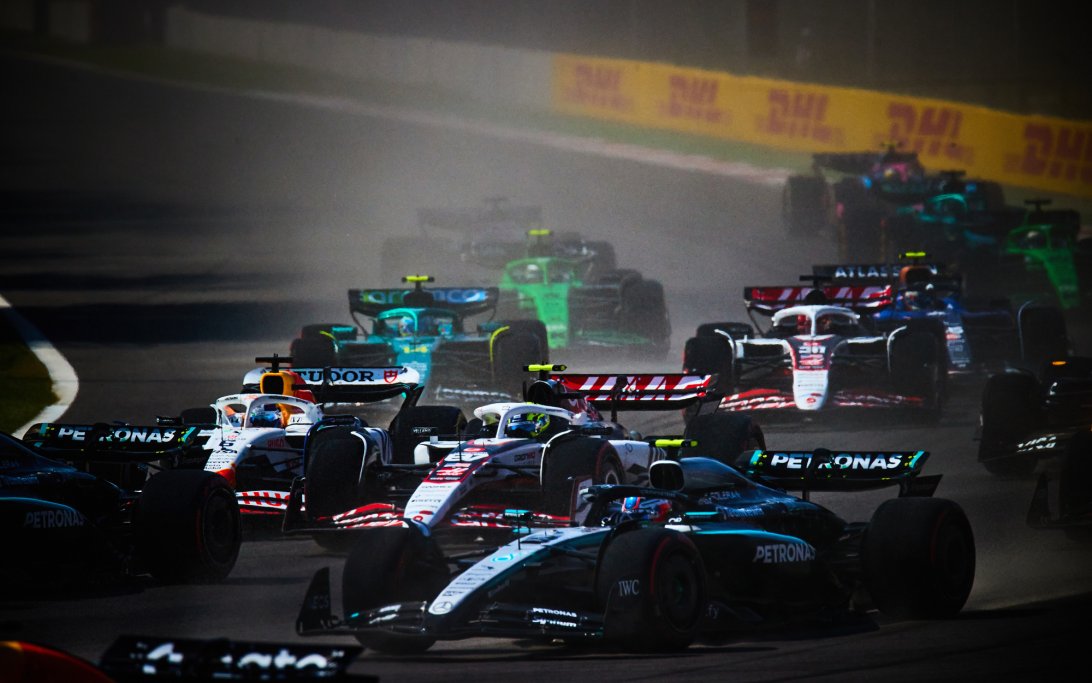
Prema Racing had talked a good game before the lights went out in Australia. Both drivers preached balance and respect, insisting they would race the other twenty-eight cars rather than each other. That mature facade crumbled the moment their cars touched in a chaotic midfield scrap, leaving both machines destroyed and their seasons on life support after the medical team pulled them from the rest of the weekend.
- The incident happened while fighting outside the top ten in a sprint already riddled with drama.
- Both drivers face a long, uncertain gap until Monaco because the Bahrain round was cancelled.
- Wharton had already flagged the stakes himself, admitting 2026 felt like his final shot at Formula 1.
This was not simple bad luck. It was the inevitable result of two young men trapped in a system that demands they lift the team together while knowing only one can realistically grab the limited path to F1. The pressure cooker does not forgive.
Morale as the Real Championship Currency
I have watched enough team dynamics over the years to know that contracts often resemble messy divorce proceedings, with loyalty shredded the moment personal ambition collides with collective goals. Wharton and Sharp's clash is the junior category version of the same poison that tore through the 1994 Benetton squad. Back then, controversial fuel system tricks and simmering management conflicts created an atmosphere where drivers and engineers stopped trusting one another, turning potential dominance into internal warfare that spilled into regulatory nightmares.
The same pattern repeats here. When teammates view each other as obstacles instead of assets, the entire operation suffers. Technical advantages evaporate under the weight of suspicion. Driver skill gets buried beneath the need to protect one's own position. In the next five years we will see this dynamic play out on a grander scale once the budget cap is fully exploited by clever midfield operators like Alpine and Aston Martin. Privateer outfits will rise by 2028 precisely because they understand that unified morale beats manufacturer money every single time.
"All gloves will be off" if a win is on the line, the drivers warned before Melbourne. That warning proved prophetic, but it also exposed how little room exists for genuine partnership when every point could separate an F1 seat from oblivion.
The Long Road Back from Self-Inflicted Wounds
The extended break until the European rounds gives Prema time to decide whether this Melbourne disaster becomes the defining scar of their season or a painful lesson that forces real collaboration. History shows that teams which cannot repair these fractures rarely recover championship momentum. The 1994 Benetton precedent still echoes today: once infighting takes root, regulatory gray areas and personal grudges feed off each other until the whole structure cracks.
Wharton and Sharp now face the same test. Their ability to rebuild trust will matter more than any setup change or qualifying lap. In a sport where interpersonal warfare so often overrides everything else, the real winners will be those who remember that a united garage beats a divided one every single time.
Join the inner circle
Get the deep dives and technical analysis from the world of F1 delivered to your inbox twice a week.
Zero spam. Only high-octane analysis. Unsubscribe anytime.