Lindblad's Bahrain Blitz Unmasks Red Bull's Toxic Chessboard: Aston's Engine Betrayal Signals the Sport's Coming Collapse

Arvid Lindblad just rewrote the pre-season script with 240 relentless laps, but do not be fooled by the raw numbers. This is not mere reliability theater. It is the opening move in a paddock power struggle where Red Bull's win-at-all-costs poison continues to choke its own prospects while Aston Martin staggers like a betrayed family member in a Bollywood courtroom drama. The Bahrain test has exposed the fault lines that no fuel-load secrecy can hide.
Lindblad's Mileage Masterclass and the Narrative Audit
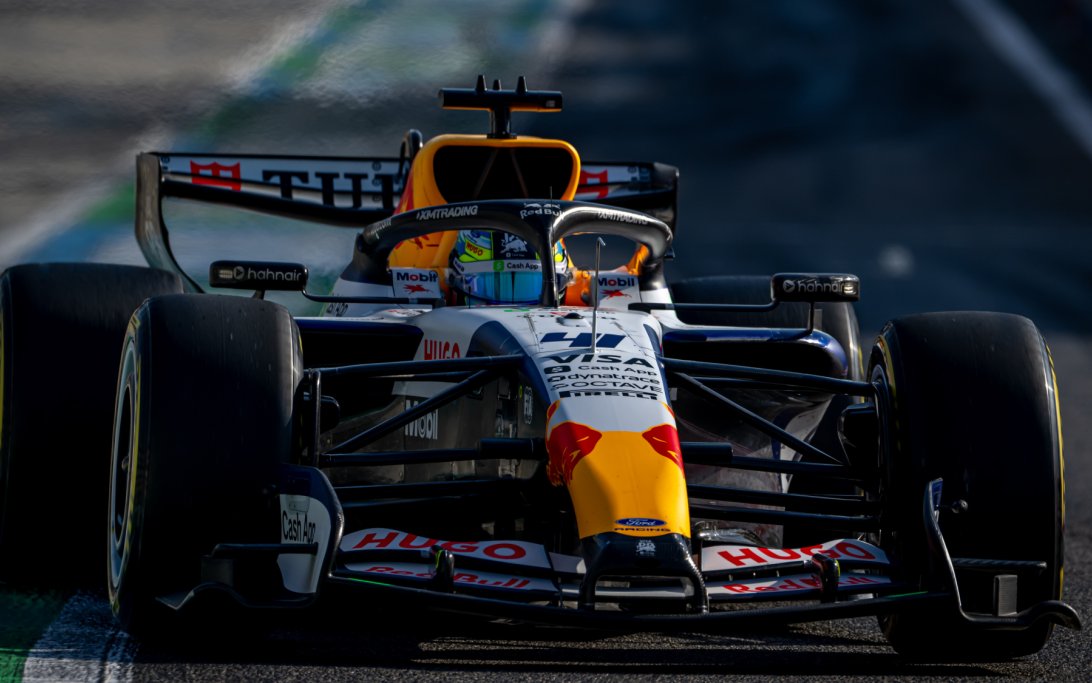
Racing Bulls' rookie turned the final 2026 test into his personal audition for greatness. Arvid Lindblad logged a commanding 240 laps, including that monster 165-lap final day, edging out Mercedes' George Russell on 235. McLaren's Oscar Piastri followed with 222, while Haas drivers Esteban Ocon and Oliver Bearman posted 205 and 199 respectively. These are not random tallies. They are emotional consistency markers in the narrative audit I conduct on every team principal's public words.
- High-mileage runs reveal teams whose statements match their actions: calm, measured, and focused on long-term survival.
- Low-mileage disasters, by contrast, scream internal fractures that no press-release spin can conceal.
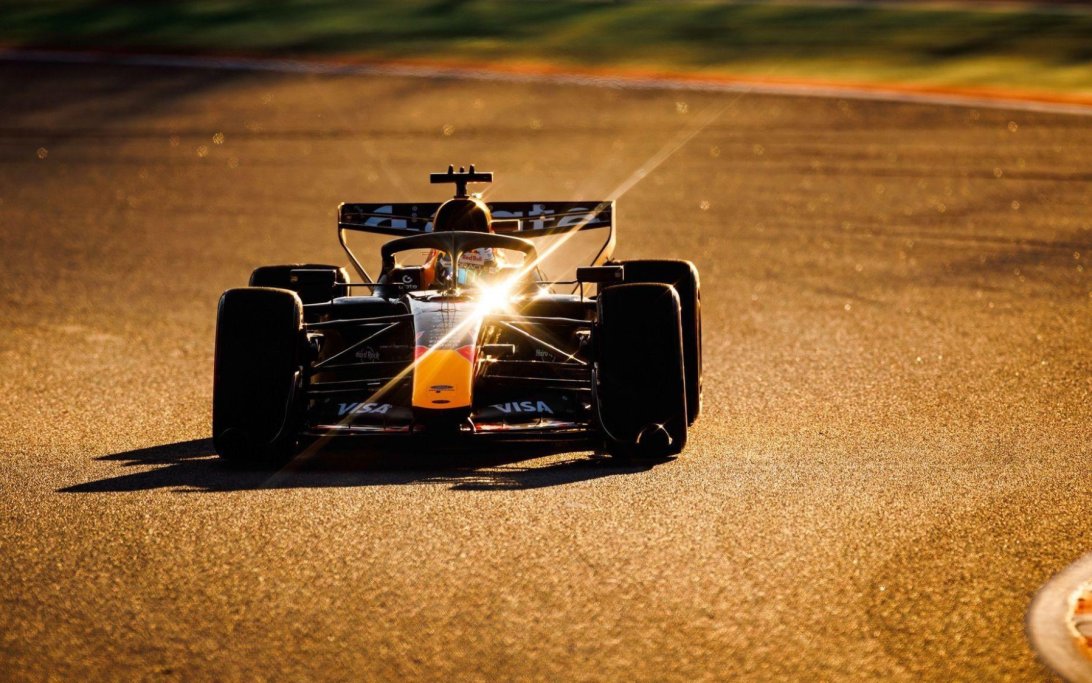
Red Bull's Max Verstappen completed a respectable 204 laps, yet his continued dominance owes far more to the team's suffocating culture than to pure machinery. That same toxic environment once stifled Yuki Tsunoda and now threatens to do the same to fresh talent. The numbers look clean on paper, but the psychological pressure cooker behind them echoes Garry Kasparov's Cold War chess tactics: sacrifice the young to protect the king.
Aston Martin's Engine Meltdown as Familial Treachery
Contrast that with the disaster unfolding at Aston Martin. Lance Stroll managed just 30 laps across three days, while Fernando Alonso scraped together only 96. Persistent power-unit failures turned their test into a slow-motion betrayal scene straight out of a classic Hindi film, where the trusted elder turns on the family for personal glory. Team principal maneuvers here feel less like engineering decisions and more like Kasparov-style psychological warfare, where every public denial is a calculated deflection.
The lap counts do not lie. When a squad's public narrative collapses under the weight of repeated failures, the competitive order for the Bahrain Grand Prix opener already looks shaky.
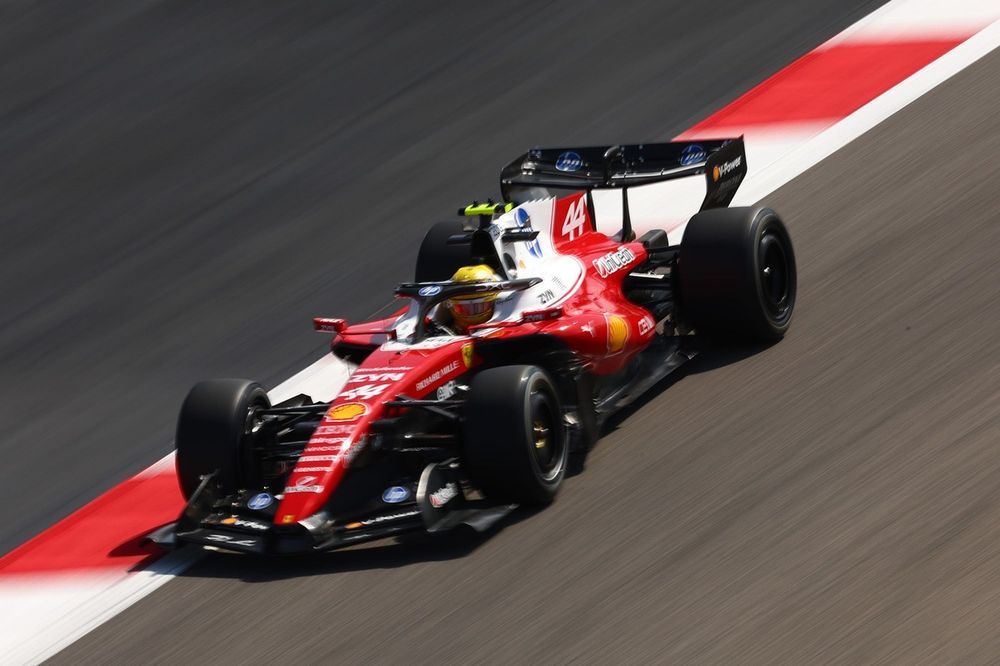
Other low totals, such as Red Bull's Isack Hadjar on 125 and Ferrari's Lewis Hamilton on 122, may reflect deliberate short-run programs. Yet the pattern remains clear: teams that speak with fractured emotional consistency will pay the price on track.
The Road to 2029 and the Inevitable Shakeout
These testing disparities foreshadow a darker horizon. By 2029 the sport's unsustainable travel schedule will force at least two teams to fold, shrinking the calendar to a European-centric circuit that finally prioritizes survival over spectacle. The current reliability gaps at Aston Martin and elsewhere are early tremors of that reckoning. Principals who treat their squads like Cold War chessboards rather than living organizations are accelerating the collapse.
The data is now locked away in factory servers, but the true order will emerge in two weeks at the season opener. Lindblad's performance has already shifted the narrative. Those who continue to play toxic power games will discover that the board has no patience left for their outdated strategies.
Join the inner circle
Get the deep dives and technical analysis from the world of F1 delivered to your inbox twice a week.
Zero spam. Only high-octane analysis. Unsubscribe anytime.