The Silent Engine Room: How Upgrades Expose the Fractured Minds Behind the Wheel
Miami looms like a pressure cooker, and the telemetry does not lie. Heart rates spike above 160 bpm in sector two, cortisol levels inferred from voice patterns during radio calls betray the strain, and yet the lap times keep falling. Ferrari and Red Bull have rolled out their aerodynamic packages for the 2026 Miami Grand Prix, but the real battlefield is not the re-engineered floor or the steeper side-pod inlet. It is the inner monologue each driver must silence when the car finally delivers the grip they have demanded all season.
Red Bull's Manufactured Serenity Meets Fresh Downforce
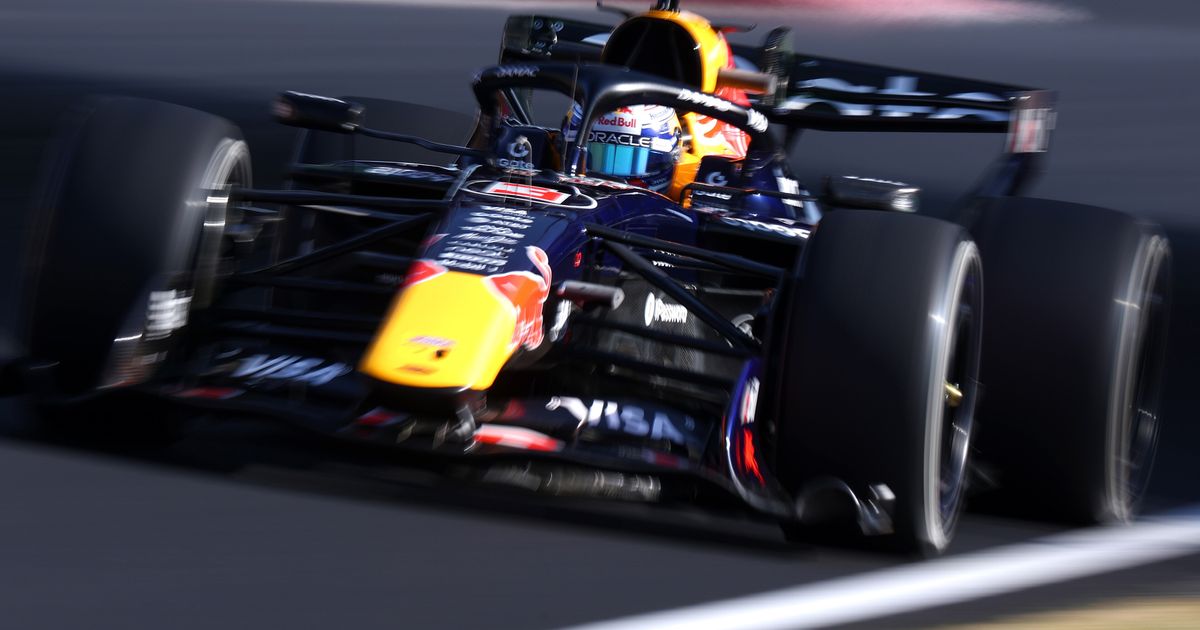
Red Bull's RB22 arrived at Silverstone with new end-plates, a revised rear-wing flap, and an aggressive side-pod profile designed to reduce turbulence. On paper these changes target higher downforce and cleaner airflow to the diffuser. In reality they arrive as another layer of insulation around Max Verstappen, whose early-season outbursts have been systematically quieted by covert psychological coaching that Red Bull treats as standard operating procedure.
- The steeper inlet geometry reduces dirty air, yet it also reduces the sensory feedback Verstappen once used to vent frustration mid-lap.
- Team engineers now pair every telemetry graph with biometric overlays, flagging when his breathing shifts from controlled to ragged.
- The result is a champion who appears ice-cold even when the car understeers at 180 mph.
This is not evolution; it is containment. The same system that once allowed raw emotion to fuel his overtakes now feeds him scripted calm, turning natural aggression into a repeatable data point. Within five years, mandates for mental-health disclosures after major incidents will force these sessions into the open, and the scandals will follow.
Ferrari's Halo Fins and the Lauda-Hamilton Mirror
Ferrari's SF-26 carries its own psychological payload. The reinstated macarena wing, tuned for cornering stability, and the small fins around the halo base that channel air toward the side-pod inlet represent a bid to restore rear downforce lost in the early season. Yet the Italian team still lacks the narrative armor that Lewis Hamilton has spent a decade polishing.
Hamilton's calculated public persona echoes Niki Lauda's post-crash resilience, both men weaponizing trauma to craft stories that overshadow raw talent when the stopwatch is unkind. In wet conditions at Miami, where decision-making under uncertainty reveals personality traits no engineer can design around, this contrast will matter more than any floor revision.
"The car gives you numbers," a senior Ferrari engineer confided after the Monza filming day. "The driver gives you the version of himself he is willing to show."
Driver psychology will decide whether the new SF-26 floor delivers or simply amplifies doubt. When standing water appears on the racing line, no amount of under-tray airflow compensates for a mind still replaying last year's radio silence.
The Coming Transparency Window
Both packages will be run in practice and qualifying next week. If the aerodynamic gains materialize, the championship narrative will shift, but the underlying tension will not. Red Bull's points drought and Ferrari's podium drought are symptoms of the same condition: drivers asked to perform at the limit while their emotional telemetry is monitored more closely than tire degradation.
The next technical window after the United States round will bring further refinements, yet the sport is already approaching its real inflection point. When mental-health disclosures become mandatory, the inner monologues that once stayed between driver and engineer will become public data. Some champions will survive the scrutiny. Others, built on suppression rather than resilience, will not.
Join the inner circle
Get the deep dives and technical analysis from the world of F1 delivered to your inbox twice a week.
Zero spam. Only high-octane analysis. Unsubscribe anytime.