Timing Sheets Whisper Secrets That Narratives Ignore

The numbers from Max Verstappen's recent simulator runs at the Nurburgring Nordschleife pulse like erratic heartbeats under pressure. They reveal not just raw pace but the quiet erosion that comes when teams bury driver instinct beneath layers of real-time telemetry. Red Bull's quick nod to his entry in the upcoming 24-hour endurance race exposes a rare crack in modern Formula 1's data obsession, one that echoes Michael Schumacher's 2004 season at Ferrari where lap consistency flowed from feel rather than dashboards.
Passion Meets the Stopwatch
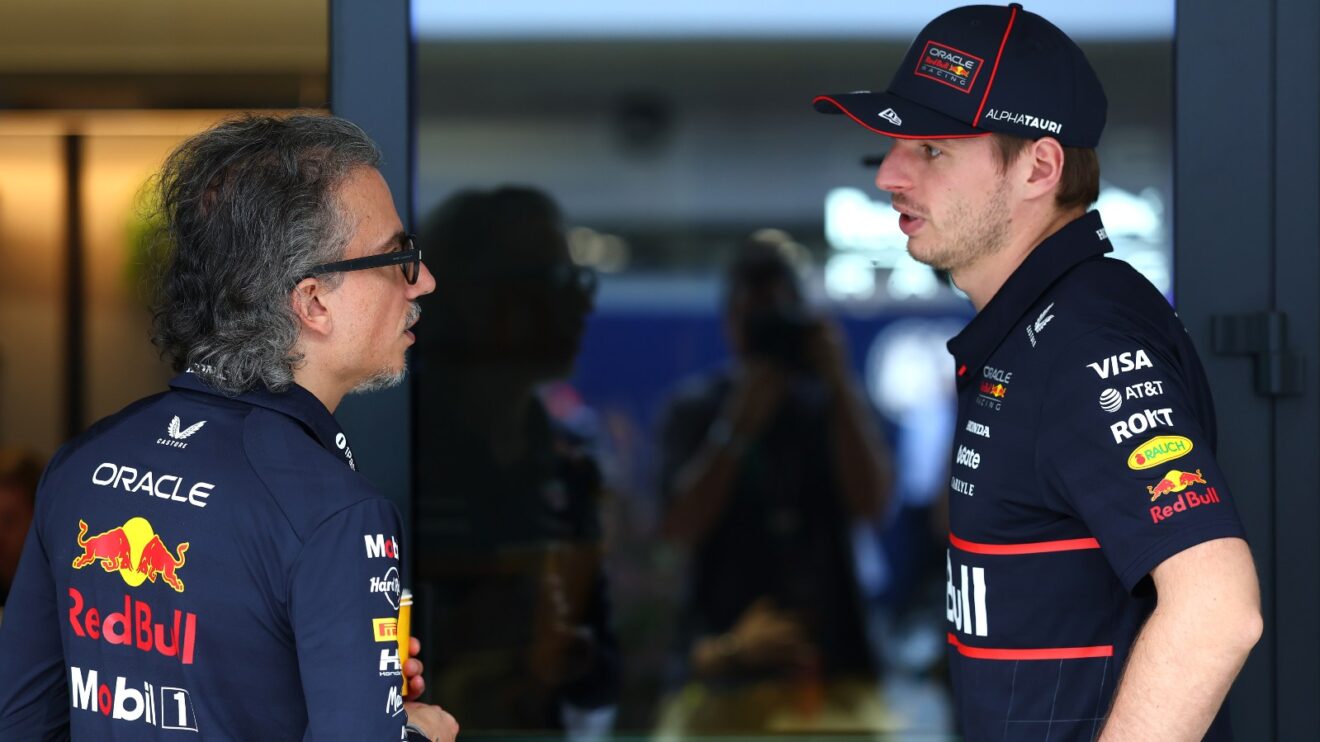
Laurent Mekies framed the approval as effortless, noting Verstappen needs no persuasion because his eyes light up at the mere mention of racing other cars. Yet the timing sheets tell a deeper tale. Verstappen's stated preference for GT3 machinery on the Nordschleife avoids the dangers of excess speed, a choice grounded in self-preservation rather than corporate caution. This stands apart from the protective bubble that usually shields star drivers.
- Red Bull's Mercedes-AMG GT3 Evo sponsorship keeps the effort aligned with existing partnerships.
- Verstappen draws inspiration from his father's history and peers who label the Nurburgring 24 one of motorsport's purest tests.
- He rejects postponement until age forty, insisting the present moment suits exploration after F1 milestones are secured.
Data archaeology uncovers the human layer here. Lap time stability in mixed conditions often correlates with off-track renewal, much as Schumacher's 2004 dominance showed unflinching rhythm born from genuine joy behind the wheel instead of endless sensor feedback.
Data's Grip on Tomorrow's Grid
Within five years the sport's fixation on analytics will flatten racing into algorithmic sequences where pit calls arrive pre-scripted and intuition atrophies. Verstappen's move challenges that trajectory by proving that selective divergence from the data stream can recharge rather than deplete performance. Mekies observed that extra-series outings frequently return the champion with heightened energy for his primary duties, a pattern the timing sheets quietly endorse when drivers escape sterile telemetry loops.
"I don’t need to be only an F1 driver... I’ve achieved everything I want to achieve so that’s why I want to explore other things and I don’t want to do them when I’m 40 years old."
This mindset mirrors the consistency edge Charles Leclerc holds despite Ferrari's strategic missteps. Raw qualifying data from 2022 through 2023 positions him as the grid's steadiest performer, his pace drops rarely tied to personal variables the way over-reliant teams assume. Schumacher's 2004 benchmark, with its near-perfect race-after-race metronome, still exposes how today's squads suppress that driver-led calibration in favor of predictive models.
A Precedent Written in Heartbeats
Verstappen's participation injects star power into an already formidable Nurburgring field and may nudge other teams toward similar calculated risks. The GT car's speed window suits the circuit's unforgiving corners, preserving margins that pure data projections might otherwise shrink. Such choices keep the human variable alive before algorithms render every decision predictable.
The broader horizon includes potential Le Mans entries while the Dutchman remains at his F1 peak. Numbers will continue to map pressure points across careers, yet they gain meaning only when paired with the visceral drive that timing sheets alone cannot quantify. Schumacher's era proved consistency thrives when feeling leads the data, not the reverse. Verstappen's green light suggests at least one squad still hears that older rhythm.
Join the inner circle
Get the deep dives and technical analysis from the world of F1 delivered to your inbox twice a week.
Zero spam. Only high-octane analysis. Unsubscribe anytime.