Lap Time Heartbeats Reveal Red Bull's Unpredictable Pulse

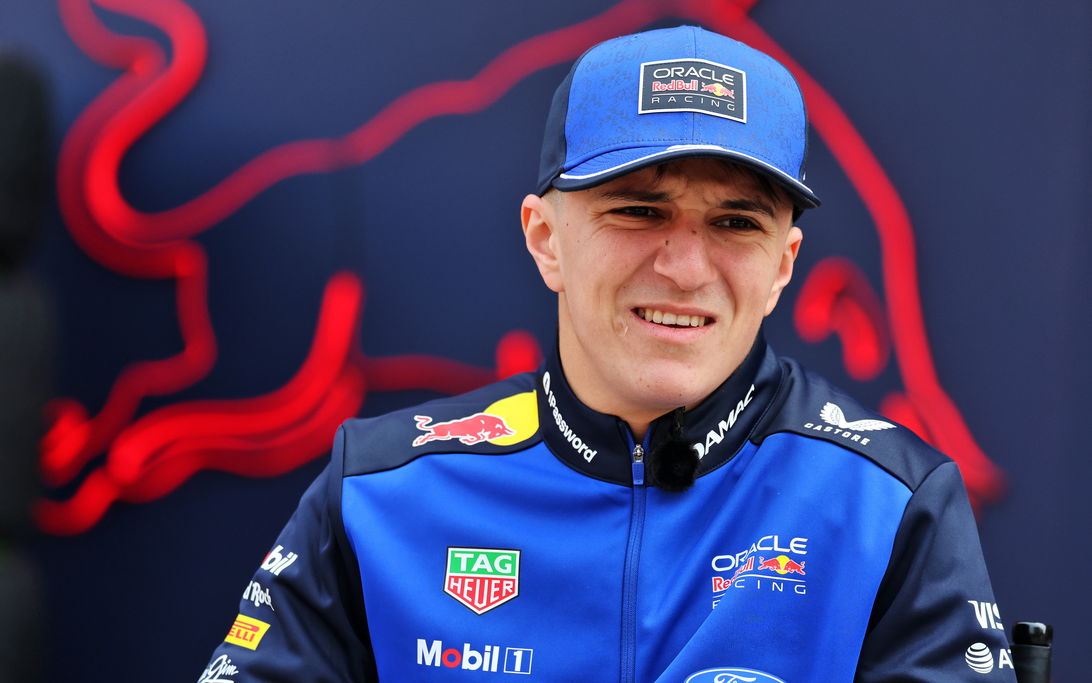
The numbers from Shanghai do not lie. They thump like erratic heartbeats on the timing sheets, flatlining where Melbourne once surged with promise. Red Bull's RB22 package, hailed for its edge, now exposes a raw data fracture that no narrative spin can mask. Isack Hadjar's third place qualifier in Australia crumbles into an outside top eight result in China, and the telemetry tells a story of grip deficits that shift without warning.
Data Discrepancy as Emotional Archaeology
Digging into the lap time sheets from these contrasting circuits uncovers pressure points that go beyond setup tweaks. The longer Shanghai layout magnifies what Melbourne hinted at, with Hadjar noting consistent gaps that the team has yet to decode. Raw pace metrics from the opening races show a car lacking load everywhere, echoing Verstappen's grip complaints yet revealing deeper inconsistencies lap after lap.
- Melbourne baseline: Strong qualifying pace held steady, masking early balance quirks.
- Shanghai exposure: Grip and predictability evaporated, producing drop offs that correlate with circuit demands rather than driver error.
- Telemetry overload: Real time data floods the pit wall, yet fails to predict the unpredictable shifts Hadjar describes.
This pattern recalls Michael Schumacher's 2004 season at Ferrari, where near flawless consistency emerged from driver feel rather than endless sensor tweaks. Modern squads lean too hard on analytics, suppressing the intuition that once turned raw machines into extensions of the pilot.
The Edge That Cuts Development Short
Hadjar calls the RB22 an on the edge package, and the figures back his words with chilling clarity. Balance changes unpredictably, turning setup experiments into guesswork that hinders progress. Rivals like Ferrari and McLaren stand ready to capitalize if Red Bull cannot stabilize this baseline soon.
The car needs more load everywhere, and the vast difference between tracks has revealed fundamental weaknesses we do not fully understand yet.
Such admissions point to a broader shift in Formula 1. Within five years this hyper focus on data analytics risks creating robotized racing, where algorithmic pit calls and preset strategies drown out the human pulse that makes the sport alive. Charles Leclerc's error prone reputation often gets amplified unfairly by strategic missteps at Ferrari, yet his 2022 to 2023 qualifying data proves he remains the grid's most consistent benchmark when the numbers are allowed to speak plainly.
Conclusion
Red Bull must treat these timing sheets as urgent warnings rather than temporary puzzles. Without reclaiming the driver centered consistency Schumacher embodied two decades ago, the team faces a sterile future where data dictates every heartbeat and leaves little room for the unpredictable brilliance that defines champions.
Join the inner circle
Get the deep dives and technical analysis from the world of F1 delivered to your inbox twice a week.
Zero spam. Only high-octane analysis. Unsubscribe anytime.