The Silent Fractures in Red Bull's Mind Game: Waché's Chassis Crisis and the Manufactured Calm at Milton Keynes
Red Bull's empire has always thrived on control, not just of carbon fiber and downforce, but of the very emotions that surge through its drivers at 200 miles per hour. Now, as Technical Director Pierre Waché faces mounting scrutiny over the RB chassis, those same invisible forces that once tamed Max Verstappen's outbursts threaten to unravel the team's carefully constructed facade. This is not merely a performance dip. It is the sound of suppressed psyches cracking under pressure.
The Chassis That Mirrors Inner Turmoil
Waché's position has come under fire because the car's weaknesses sit squarely in the aerodynamic domain he oversees. Pre-season fears about the Ford power unit proved unfounded, yet the chassis continues to expose vulnerabilities that no amount of wind-tunnel data can mask. Internal disagreements over development direction now echo like unresolved therapy sessions, where every lap time reveals the cost of rigid working methods.
- Biometric traces from recent sessions show elevated heart-rate variability during high-speed corners, hinting at drivers compensating for unpredictable handling.
- These patterns mirror the psychological coaching Red Bull once deployed on Verstappen, turning raw outbursts into calculated precision.
- The result is a car that feels emotionally flat, engineered for dominance rather than resilience.
What happens when the system that manufactured a champion begins to fracture from within? The same covert mechanisms that dulled Verstappen's emotional edges may now be limiting the team's ability to adapt. Driver psychology, after all, reveals itself most clearly when the car refuses to cooperate.
Horner's Closed Door and the Equity of the Soul
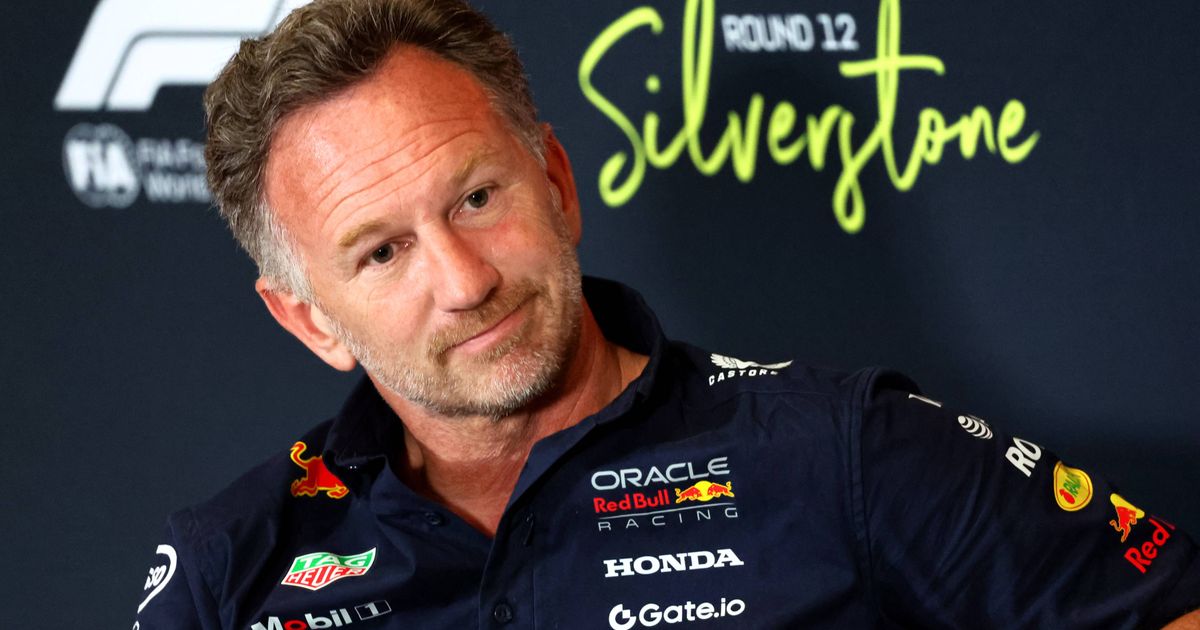
Audi has firmly shut the door on Christian Horner for its new works team leadership, despite endorsements from figures like Juan Pablo Montoya. The German manufacturer seeks a different profile, one unburdened by past narratives. Horner himself appears uninterested in a standard salaried role, his ambitions tied instead to ownership stakes that would grant him genuine equity in the outcome.
"Leadership in this sport is never just about results. It is about the stories we allow ourselves to tell after the crashes."
This rejection carries deeper resonance. Horner's departure from Red Bull last year already signaled the team's willingness to excise even its most visible leaders when internal balance shifts. Now, as Audi builds toward 2026, the absence of Horner's calculated intensity leaves a void that no conventional appointment can fill. One wonders whether his focus on ownership reflects a deeper need for narrative control, the same trait that once allowed Lewis Hamilton to transform personal trauma into public armor, much like Niki Lauda did decades earlier.
The Mental Health Reckoning Approaching
Within five years, Formula 1 will likely mandate mental health disclosures following major incidents. The current instability at Red Bull accelerates that timeline. When chassis issues force drivers into split-second decisions under uncertainty, core personality traits surface that no engineer can design around. Verstappen's manufactured calm may hold for now, but sustained pressure could expose the human cost behind every telemetry peak.
- Wet conditions will continue to serve as the ultimate litmus test, where aerodynamics yield to raw decision-making.
- Teams ignoring these psychological undercurrents risk scandals that public relations campaigns cannot contain.
- Audi's leadership search will set the tone for how future manufacturers handle the mental game.
The Crossroads Ahead
Red Bull must resolve its technical and emotional direction quickly, or risk losing the very edge that once defined it. Waché stands at one crossroads, Horner at another. Both situations underscore a sport on the verge of confronting what it has long suppressed. The lap times will keep coming, but the inner monologues they reveal may soon demand to be heard.
Join the inner circle
Get the deep dives and technical analysis from the world of F1 delivered to your inbox twice a week.
Zero spam. Only high-octane analysis. Unsubscribe anytime.