The Weight of Every Gram: How Red Bull's RB22 Numbers Reveal a Deeper Fracture in Modern Racing

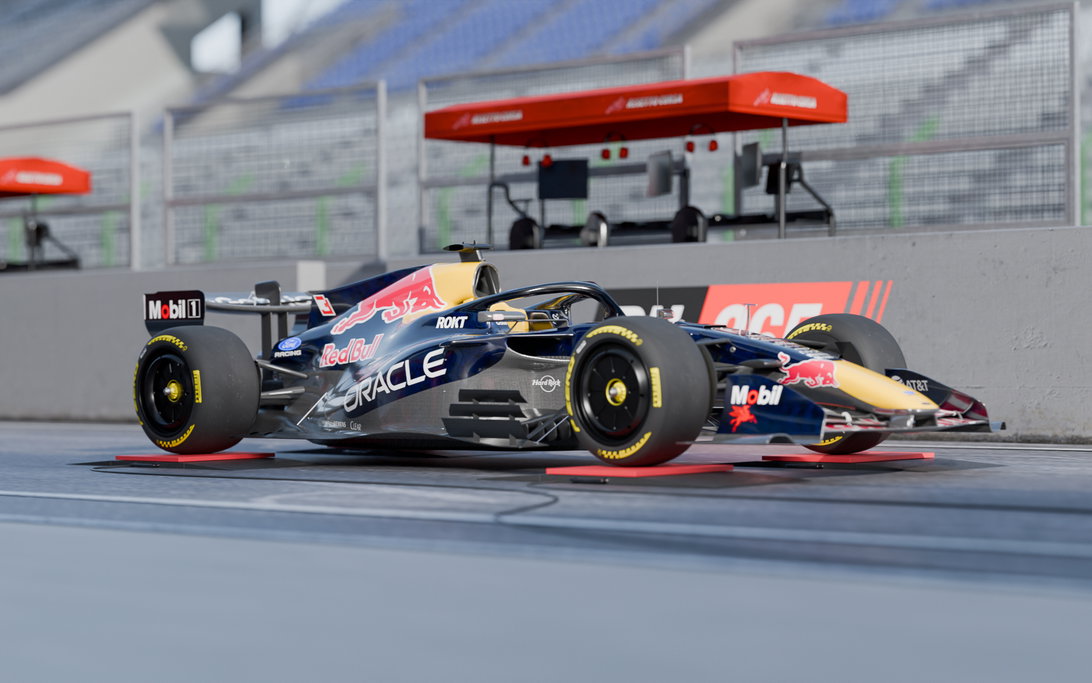
Six to seven kilograms. That single data point lands like a missed heartbeat on the timing sheets, dragging the RB22 down by two-tenths per lap and exposing how teams now treat mass as just another variable to be optimized rather than felt. The minimum sits at 768kg, yet Red Bull's car carries extra ballast that forces aggressive setups and amplifies every curb strike. This is not abstract theory. It is the raw arithmetic of lost consistency, the kind Michael Schumacher turned into near-perfection in 2004 when Ferrari's machinery aligned with his instincts instead of overriding them.
The Timing Sheets Do Not Lie
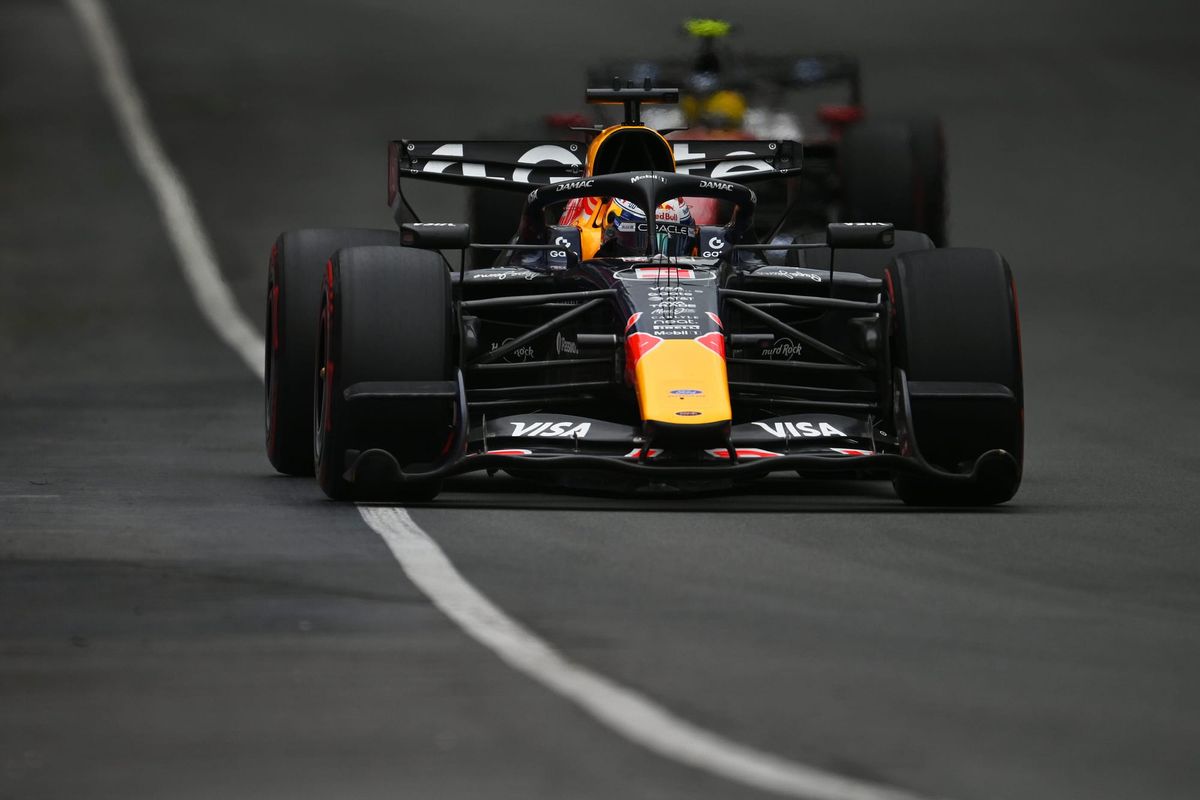
Red Bull began the season carrying extra weight, then shed a meaningful chunk ahead of Miami. Another reduction looms for the Austrian Grand Prix at the end of June. The cost of those extra kilos is not merely straight-line speed. It distorts tire management and center-of-gravity placement, compelling the team to chase lap time through high-risk setup directions that have already backfired in Canada.
- Extra mass slows the car directly on every sector.
- It narrows the setup window, pushing engineers toward extremes that produce the handling complaints Max Verstappen has voiced.
- Curb and bump sensitivity, long a weakness, will reappear in Monaco with the same unforgiving profile seen in Montreal.
These figures matter because they quantify pressure. A two-tenth deficit from weight alone matches the scale of errors that once defined entire weekends, yet it stems from engineering choices rather than driver input.
When Telemetry Replaces the Driver's Pulse
Laurent Mekies has stated that fixing the issues without losing lap time is complex, yet the team remains confident after earlier fundamental fixes this season. The quote carries weight: "There is nothing yet that we are saying cannot be fixed in '26." Still, the deeper problem lies in how data now dictates every adjustment. In Schumacher's 2004 campaign, lap-time consistency emerged from a symbiosis between car and driver feel. Today, real-time telemetry risks turning that dialogue into a one-way feed, where algorithms flag every deviation before the driver can internalize it.
Once the car is lighter and closer to Mercedes, the need for risky set-ups diminishes, leading to a more predictable platform.
That predictability is double-edged. It restores raw pace and ballast flexibility, yet it also accelerates the sport toward the sterile future already visible in simulation labs. Within five years, hyper-focus on analytics will favor algorithmic pit calls and pre-programmed throttle maps over the intuitive corrections that once separated champions. The RB22's weight problem is therefore a symptom of a larger shift: teams chasing marginal gains while the human element that once read the heartbeat of a lap is gradually suppressed.
Austria as the Next Data Point
If Red Bull reaches or undercuts the weight limit by Spielberg, the timing sheets will show whether the narrative holds. The car should gain not only outright speed but also the freedom to run setups that respect tire life instead of compensating for excess mass. That transformation would echo the consistency Schumacher displayed across 2004, where small mechanical advantages compounded into dominant margins because the driver could still feel the limit.
The numbers will decide. They always do. Red Bull's path forward begins with shedding those kilos, yet the larger question remains whether the sport will still allow drivers to interpret what those numbers truly mean once the algorithms take fuller control.
Join the inner circle
Get the deep dives and technical analysis from the world of F1 delivered to your inbox twice a week.
Zero spam. Only high-octane analysis. Unsubscribe anytime.